

The Gentle Power of Organic Skincare: Ultimate Beauty Guide
Sometimes the skin doesn’t need another treatment. It needs a break.
I was reminded of this last year when a client came to me after going through five increasingly aggressive treatments for persistent facial inflammation. Her dermatologist had been trying to get the problem under control, but her skin was still visibly red, tight, and painful—even moisturizer stung when she applied it.
By the time we looked at her routine, it had become surprisingly complicated. There were multiple active ingredients, each added with the hope of fixing what the previous one hadn’t. Instead of calming her skin, the constant cycle of treatments seemed to give an already-stressed barrier even more to deal with.
“I’ve tried everything,” she told me.
I’ve seen this pattern many times during my years in cosmetic research and formulation work, including close collaboration with dermatologists. When irritation doesn’t settle, it’s tempting to reach for another active, another treatment, or another product promising a faster result. But compromised skin often needs the opposite approach.
More isn’t always better when the skin barrier is struggling. Simplifying the routine, reducing potential irritants, choosing well-formulated gentle products, and allowing the barrier time to recover can be a much more sensible starting point.
If your skin is already irritated, it helps to understand how to repair a damaged skin barrier before adding more active ingredients.
That brings us to another common assumption: organic skincare must be gentler because its ingredients come from plants. That’s not necessarily true. A botanical ingredient can irritate the skin, just as a synthetic ingredient can be well tolerated. What matters is the ingredient itself, its concentration, the surrounding formulation, and how the finished product behaves on the skin.
So instead of asking whether “natural” or “synthetic” is automatically better, let’s look more closely at what makes a skincare formulation gentle, where botanical ingredients may fit, and what the evidence says about choosing products for sensitive or compromised skin.
What “Organic” Actually Means on a Skincare Label
The FDA doesn’t define “organic” for cosmetics. In the U.S., the USDA National Organic Program handles that — it oversees standards for qualifying agricultural ingredients, and a USDA organic seal means a product contains at least 95% organic ingredients. But a cosmetic carrying organic claims still has to meet the same general safety and labeling laws that apply to every other cosmetic on the shelf.
This matters because “organic,” “natural,” “green,” and “clean” are often used as if they’re interchangeable — they’re not, and none of them except “organic” is FDA-regulated:
- Natural means some or all ingredients come from plants or animals. It says nothing about whether those ingredients were organically grown, and nothing about safety — some “natural” squalane, for instance, is shark-derived rather than plant-derived.
- Green refers to a company’s environmental impact — packaging, sourcing, or business practices — and is entirely self-defined by the brand.
- Clean generally means free from a specific list of ingredients a brand considers harmful (parabens, synthetic fragrance), but there’s no standard definition of what “clean” requires.
- Organic, when certified by USDA, COSMOS Organic, or the Soil Association, is the only one of the four backed by an independently audited standard.
The FDA has also made it clear that an ingredient’s source doesn’t determine its safety. Plant-derived ingredients can irritate or trigger allergic reactions just as readily as synthetic ones — urushiol, the compound behind poison ivy reactions, is completely natural and organic. So the honest answer to “is organic skincare better” isn’t yes or no — it’s that organic status tells you how an ingredient was farmed, not how your specific skin will respond to it.
Why Your Skin Barrier Matters More Than You Think
Let me share something that surprised me during my training in Cosmetic Formulation Science: your skin isn’t just a wrapper. It’s an ecosystem.
The skin’s acid mantle—that slightly acidic surface with a pH around 5.5—hosts trillions of beneficial microorganisms. These microscopic residents help protect against pathogens, regulate inflammation, and maintain moisture levels. When we disrupt this delicate balance with harsh sulfates or synthetic fragrances, we can disrupt the conditions that help the skin barrier and microbiome function normally.
Research published in the Journal of Clinical and Aesthetic Dermatology shows that disrupted skin barriers lead to increased transepidermal water loss, heightened sensitivity, and accelerated aging. For compromised skin, the practical priority is usually to reduce irritation and support barrier recovery with a well-formulated routine.
Understanding Organic Skincare Benefits
I’ll be honest—when I first started studying cosmetic science, I was skeptical about the “organic” label. It felt like marketing hype.
Then I spent six months analyzing ingredient absorption rates and cellular responses. The data shifted my perspective entirely.

What Makes Organic Ingredients Different?
Plant-based compounds share molecular similarities with substances our skin already produces. Take squalane, for instance. Your sebaceous glands naturally create squalene (note the different spelling), and when you apply plant-derived squalane topically, it can function as an effective emollient and help reduce moisture loss.
Compare this to synthetic emollients like dimethicone. Dimethicone primarily forms a protective film on the skin, while plant-derived oils can provide emollient and barrier-supporting effects. Neither category is inherently better; performance depends on the specific ingredient, formulation, and skin concern.
The Research on Botanical Actives
Research published in Ostomy Wound Management compared a chamomile solution to 1% hydrocortisone in a clinical study on peristomal skin irritation in colostomy patients—a different context from general facial inflammation, but still a useful data point on chamomile’s anti-inflammatory potential. Remarkably, chamomile healed lesions faster than hydrocortisone—averaging 8.89 days versus 14.53 days—while research on bisabolol shows it inhibits pro-inflammatory cytokines through NF-κB pathway suppression, offering anti-inflammatory benefits without the side effects associated with long-term steroid use.
Aloe vera’s polysaccharides? They stimulate fibroblast activity, accelerating wound healing and collagen synthesis. Green tea’s EGCG catechins neutralize free radicals before they damage cellular DNA.
These aren’t vague wellness claims. They’re measurable biological responses.
There is an important limitation, however:
Not all “natural” products are created equal. I’ve reviewed hundreds of formulations where the organic content was negligible—maybe 2% chamomile extract in a base of synthetic fillers. Real organic skincare requires certified ingredients (look for USDA Organic, Ecocert, or COSMOS seals) in meaningful concentrations.
Natural vs. Synthetic Skincare: What the Research Actually Shows
This debate frustrates me because it’s framed incorrectly. The question isn’t “natural vs. synthetic”—it’s “appropriate vs. inappropriate for your skin’s needs.”
When Synthetic Ingredients Excel
Certain synthetic compounds are brilliant innovations. Hyaluronic acid in its low-molecular-weight form? Synthetic, and it penetrates deeper than any plant extract could. Peptides that signal collagen production? Lab-created and remarkably effective.
Dr. Leslie Baumann, a board-certified dermatologist and researcher, points out in her work on cosmeceuticals that some synthetic actives are more stable and potent than their natural counterparts.
Where Natural Ingredients Shine
Plant oils—jojoba, rosehip, sea buckthorn—contain complex combinations of fatty acids, vitamins, and phytonutrients that work synergistically. Plant oils contain complex mixtures of fatty acids and other compounds, although their benefits depend heavily on the oil, formulation, concentration, and individual skin.
In my formulation work, I’ve seen that well-designed moisturizers with plant oils such as shea butter and rosehip oil can noticeably improve skin feel and texture over time, although results vary considerably by formulation and individual skin.
The key is matching the right oils to your specific skin type. Different facial oils serve different purposes—some balance sebum production for oily skin, while others provide intensive nourishment for dry, mature skin.
To dive deeper into which oils work best for your unique needs our guide to essential oils for different skin types.
Why Occlusives Can Feel Essential
Here’s something I’ve repeatedly observed: some people become overly reliant on heavily occlusive routines and may find that their skin feels less comfortable when they stop using them. That doesn’t mean the skin has become ‘lazy’; rather, occlusives can temporarily reduce water loss, while supporting the barrier is a more nuanced process.
Rather than thinking of this as training the skin, it is more accurate to view occlusives as products that temporarily reduce water loss while the underlying barrier recovers.
Top Organic Skincare Brands Worth Your Investment (2026 Edition)
I’ve spent most of my career testing formulations for Glow Guide Hub. Here’s what actually impressed me—and what didn’t live up to the hype.

The Standout Performers
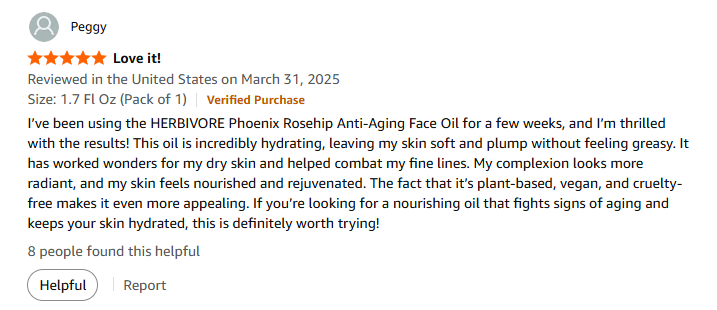
Herbivore Botanicals caught my attention with their Phoenix Facial Oil. It blends rosehip, sea buckthorn, and chia seed oils with a vitamin E complex. When I analyzed the formulation, I found they use supercritical CO2 extraction—a method that preserves delicate compounds that other extraction processes destroy.
Patient feedback? Consistent improvements in skin texture after a few weeks.
True Botanicals takes transparency seriously. Their MADE SAFE® certification means every ingredient undergoes rigorous testing for carcinogens, endocrine disruptors, and heavy metals. Their Chebula Active Serum combines fruit-derived antioxidants with adaptogens. I’m particularly impressed by their commitment to third-party testing—something too many brands skip.
Pai Skincare developed this line specifically for sensitive skin, and it shows. Founder Sarah Brown created the line after struggling with her own reactive skin. Their Rosehip BioRegenerate Oil is one product I consider worth evaluating for people with rosacea-prone or easily reactive skin, especially when the goal is to keep a routine simple and gentle.
(Pro tip: Pair it with one of these rosacea-safe zinc oxide sunscreens for complete protection.)
The brand uses organic certification across its entire range—not just select products—which demonstrates genuine commitment rather than marketing opportunism.
The Science-Forward Innovators
Tata Harper operates her own farm in Vermont, controlling ingredient quality from soil to bottle. Her Resurfacing Mask ($58) uses white willow bark as a natural BHA source alongside pomegranate enzymes and pink clay for gentle chemical and enzymatic exfoliation, with beet root and barley leaf extract added for hydration. The brand describes it as a spa-level treatment that smooths texture, boosts hydration, and leaves skin with a healthy glow within minutes of use.
Customer feedback consistently highlights an immediate boost in skin brightness and softness, with noticeable improvements in tone after four weeks.
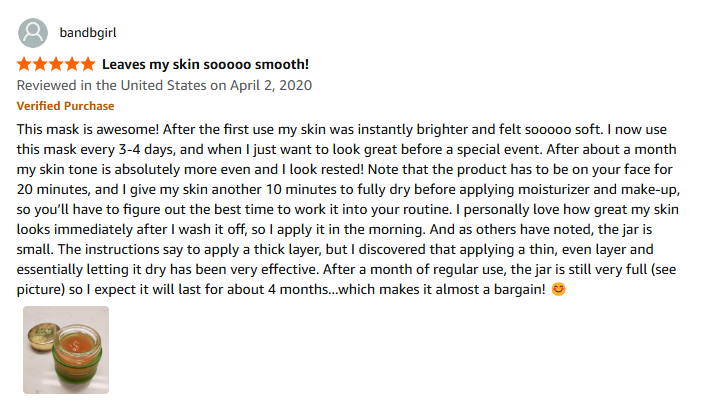
The trick to making it worth the investment?
Apply a thin, even layer rather than a thick coat—it works just as effectively and stretches a single jar for up to four months.
Youth To The People combines superfood extracts—kale, spinach, green tea—with hyaluronic acid. Their Superfood Cleanser has a pH of 5.5, matching the skin’s natural acidity. This can matter for barrier function, particularly in sensitive skin.
Research published in Current Problems in Dermatology shows that cleansers with mismatched pH levels elevate skin surface pH, and recovery to physiological levels takes several hours, during which barrier function and skin microflora remain compromised.
Budget-Friendly Options That Don’t Compromise
Acure offers USDA-certified organic formulations at accessible price points. Their Radically Rejuvenating Whipped Night Cream contains antioxidants, multi-peptides—and it costs under $22.
I’ve seen results comparable to those of formulations that cost three times as much. The texture isn’t quite as luxurious, but if you’re prioritizing active ingredient efficacy over sensorial experience, it works. It delivers.
Where Some Brands Fall Short
Maya Chia makes excellent chia seed oil products, but their line is narrow. If you need comprehensive skincare solutions, you’ll need to supplement with other brands.
Josh Rosebrook creates beautiful formulations, but they contain high levels of essential oils. For extremely sensitive skin, this can be problematic despite the organic certification.
Pricing Reality Check
Premium organic skincare does cost more. Organic farming is more labor-intensive. Quality testing is expensive. Sustainable packaging adds costs.
But here’s what I tell clients: calculate cost per application, not per bottle. Herbivore’s Phoenix Oil costs $88, but you use 3-4 drops per application. That bottle lasts four months. That’s about 73 cents per day—less than your morning coffee.
Building Your Gentle Skincare Routine
A gentle skincare routine is less about following a fixed number of steps and more about choosing products and techniques your skin can tolerate consistently. The basics remain the same, but the way you build them can change with your skin type, lifestyle, and the season.
Here’s how I would put those principles into practice, from your morning and evening routine to adjustments for dry, oily, combination, sensitive, and mature skin.

Morning Routine: Protection and Preparation
Start with lukewarm water and a gentle cream cleanser. I’m partial to formulations with organic oat milk or rice bran—they cleanse without stripping natural oils. Avoid anything that makes your face feel “squeaky clean.” That tight sensation? That’s damage.
If you’re specifically looking for gentle plant-based cleansing options, see our guide to the best organic cleansers for sensitive skin.
Follow with an alcohol-free toner to rebalance pH. Rose water with hyaluronic acid works beautifully here. Then apply a vitamin C serum—look for L-ascorbic acid at 10-20% or gentler derivatives like sodium ascorbyl phosphate if you’re sensitive.
If you’re deciding whether vitamin C fits your routine, see our guide to vitamin C for oily skin or our comparison of vitamin C vs. niacinamide.
Moisturizer next. For the morning, I prefer lighter formulations—maybe an organic jojoba-based lotion. And here’s the non-negotiable: SPF. Mineral sunscreens with zinc oxide or titanium dioxide work best for sensitive skin. Chemical filters can be excellent (such as avobenzone and octinoxate), but they can occasionally trigger reactions in reactive skin types.
If sunscreen is a particular concern for reactive skin, our guide to the best sunscreen ingredients for sensitive skin breaks down the options in more detail.
If you’re building a routine from scratch—or helping a teenager build healthy habits early—I’ve created a comprehensive, step-by-step skincare routine for teens that emphasizes gentle, age-appropriate products.
Evening Routine: Repair and Regeneration
Double cleansing at night isn’t optional if you wear makeup or sunscreen. This is actually when skincare gets interesting—your nighttime routine should look quite different from your morning one.
For a deeper breakdown of evening skincare steps and product layering, check out my right nighttime routine guide.
This is when you layer treatments—a hydrating essence (fermented ingredients like galactomyces work wonderfully), then your treatment serums. If you’re addressing aging concerns, add retinol alternatives like bakuchiol here. For sensitive skin, I recommend starting with 2-3 times per week and gradually increasing the frequency.
Finish with a richer moisturizer: organic shea butter, rosehip oil, or sea buckthorn oil supports overnight repair. Your skin regenerates most actively between 11 PM and 4 AM—give it the building blocks it needs.
Customizing for Your Skin Type
Dry skin? Layer hydration. Start with a hyaluronic acid serum on damp skin, then an essence, then oil, then cream. This “moisture sandwich” technique traps hydration effectively.
Oily skin doesn’t need to avoid oils entirely—you need the right oils. Jojoba mimics your natural sebum and can help regulate overproduction. Lightweight, non-comedogenic formulations work best. Rose water toners help balance without overdrying.
Combination skin benefits from zone-specific applications. Use richer products for dry areas (typically the cheeks) and lighter formulations for oily zones (usually the T-zone).
Sensitive skin requires patience. Introduce one new product every two weeks. Patch test on your inner arm for 48 hours before applying to your face. Look for minimal ingredient lists—5-10 ingredients is ideal.
For a broader ingredient-by-ingredient overview, see our guide to the best skincare ingredients for sensitive skin.
Mature skin responds well to layering hydrating and firming ingredients. Organic peptide serums (yes, they exist—plant-derived peptides from ingredients like chia seeds) combined with antioxidant-rich oils support collagen production naturally.
For a deeper look at how peptide serums fit into an anti-aging routine, see our ultimate guide to peptide serum.
The Application Techniques Nobody Teaches
Apply products to slightly damp skin. This increases absorption by up to 10 times—seriously. Water temporarily loosens the tightly packed cells of the stratum corneum, allowing actives to penetrate more effectively.
Press, don’t rub. Gentle patting motions preserve your skin’s delicate structure. Dragging and pulling stretches collagen fibers over time.
Wait 60 seconds between layers. I know you’re busy, but this pause allows each product to absorb properly before you add the next layer.
Seasonal Adjustments That Actually Matter
Winter demands richer formulations. Low humidity and indoor heating strip moisture from the air aggressively. Switch to oil-based cleansers and heavier creams. Add a humidifier to your bedroom.
Summer requires lighter textures. Gel moisturizers with aloe vera and cucumber extract provide hydration without heaviness. Increase your SPF reapplication frequency to every 90 minutes when outdoors.
Spring focuses on renewal. This is an excellent time for gentle exfoliation—enzymatic exfoliants from papaya or pumpkin work beautifully without harsh physical scrubbing.
Fall transitions gradually. As humidity drops, slowly introduce richer products. Your skin adapts better to incremental changes than sudden switches.
Solutions for Sensitive and Aging Skin
This is where gentle organic skincare can make a meaningful difference—and where I’ve repeatedly observed improvements in skin comfort and appearance through my work in cosmetic formulation.
Addressing Sensitivity Without Compromising Results
Calendula extract is an ingredient that deserves more attention. Research published in the Journal of Natural Products shows that calendula’s triterpene compounds exhibit marked anti-inflammatory activity, with effectiveness comparable to pharmaceutical anti-inflammatories.
More recent research in Nature Communications has identified the specific mechanism by which these C16-hydroxylated triterpenoids modulate inflammatory responses, offering potent benefits without the side effects associated with conventional treatments.
For particularly reactive skin, I generally favor a simpler formulation strategy: introducing one new product or ingredient at a time and keeping the overall routine uncomplicated. Once your skin is comfortable with the routine, you can introduce additional products gradually.
If a new active causes breakouts or irritation, our guide to skin purging vs. breakouts can help you distinguish between the two.
Centella asiatica (also called cica or gotu kola) deserves mention here. Traditional Korean medicine has used it for centuries, and modern research has validated its effectiveness. The plant’s asiaticoside compounds stimulate collagen synthesis while simultaneously reducing inflammation—a rare combination.
Anti-Aging Without Irritation
Everyone talks about retinol. But here’s what they don’t mention: retinol works, yes, but it comes with irritation, peeling, and photosensitivity.
Bakuchiol offers similar benefits—stimulating collagen production, reducing fine lines, improving elasticity—without the downsides. A 2019 study published in the British Journal of Dermatology compared bakuchiol 0.5% applied twice daily to retinol 0.5% applied once daily over 12 weeks in 44 volunteers.
Results showed that bakuchiol and retinol both significantly decreased wrinkle surface area and hyperpigmentation, with no statistical difference between the compounds. Still, retinol users reported more facial skin scaling and stinging. The study demonstrated bakuchiol’s comparable efficacy with superior tolerability.
To understand why retinoids work at a biological level, see our guide to how retinol works at the cellular level.
Rosehip oil deserves its cult following. It contains trans-retinoic acid (a vitamin A derivative), essential fatty acids, and vitamin C. I’ve seen this single ingredient improve skin texture, fade hyperpigmentation, and soften fine lines in clients who couldn’t tolerate synthetic retinoids.
If uneven pigmentation is one of your main concerns, our guide to the best skincare ingredients for hyperpigmentation compares the ingredients commonly used for this purpose.
In my experience evaluating formulations, I’ve seen rosehip-oil-based products improve the feel and appearance of skin over time, including texture and uneven tone. It can also be an interesting option for people who find conventional retinoid products difficult to tolerate, although it shouldn’t be considered a direct substitute for a retinoid.
If you’re unsure whether a dark mark is post-inflammatory hyperpigmentation or an actual acne scar, our guide explains the difference between acne scars and post-inflammatory hyperpigmentation.
Sea buckthorn oil is an ingredient worth considering for mature skin. It contains over 190 bioactive compounds—omega fatty acids 3, 6, 7, and 9, plus rare palmitoleic acid. This combination supports cellular-level skin regeneration.
Combating Common Irritations Naturally
Redness and inflammation respond beautifully to licorice root extract. The glabridin compound inhibits tyrosinase (the enzyme responsible for pigmentation) while reducing inflammation.
In formulation work, I’ve evaluated licorice-based products for concerns such as uneven pigmentation and redness. Licorice-derived compounds such as glabridin have also been investigated for their effects on pigmentation pathways and inflammatory signaling
For contact dermatitis or allergic reactions, colloidal oatmeal provides immediate relief. The avenanthramides (polyphenolic compounds in oats) have documented anti-inflammatory and anti-itch properties.
Zinc oxide isn’t just for sunscreen—it offers antimicrobial and anti-inflammatory benefits. Organic zinc-rich creams work wonders for compromised skin barriers.
The Science Behind Gentle Formulations
At the formulation level, the mechanism is more specific —because understanding why gentle works helps you make smarter choices.
How Plant Compounds Interact With Skin Biology
Your skin cell membranes are made of phospholipid bilayers—essentially, fats arranged in double layers. Plant-derived lipids have similar structures, so they integrate seamlessly.
When you apply synthetic polymers, they sit on the surface. Effective for temporary smoothing? Sure. But they don’t support skin health at a cellular level.
Botanical oils penetrate into the stratum corneum (your outermost skin layer), where they:
- Reinforce the lipid barrier
- Deliver fat-soluble vitamins (A, D, E, K)
- Provide antioxidant protection
- Support natural moisturizing factor (NMF) production
The Microbiome Connection
Recent research has also examined your skin’s microbiome—those trillions of beneficial bacteria—and found that they prefer natural ingredients.
A 2021 study published in Scientific Reports examined how different cosmetic preservatives affected the skin microbiome. The research tested eleven preservatives commonly found in cosmetic products on key skin bacteria, including Propionibacterium acnes, Staphylococcus epidermidis, and Staphylococcus aureus, using 3D skin models.
The study found that certain preservative combinations containing hydroxyacetophenone, phenylpropanol, propanediol, caprylyl glycol, and tocopherol (vitamin E) were suitable for preserving the healthy skin microbiota. In contrast, other combinations strongly inhibited beneficial bacteria, such as S. epidermidis, and were not advisable for maintaining balance in the skin microflora.
This research highlights the importance of choosing preservative systems that protect products while supporting the skin’s natural microbial ecosystem.
Why does this matter? A balanced microbiome protects against pathogens, regulates inflammation, and even influences how your skin ages.
For a deeper look at the skin microbiome and the everyday factors that can affect it, see our guide to what the skin microbiome is and how to protect it.
pH Balance and Barrier Function
Your skin’s surface pH of 4.5-5.5 isn’t random. This slightly acidic environment:
- Inhibits harmful bacterial growth
- Activates enzymes crucial for barrier repair
- Maintains optimal moisture levels
Most conventional soaps have a pH of 9-11. That alkalinity disrupts your acid mantle for hours after cleansing. Gentle organic cleansers naturally maintain pH levels closer to your skin’s natural acidity.
Natural Preservatives That Actually Work
I hear constant concerns about natural preservatives. “Won’t the product go bad?”
Modern natural preservation systems are sophisticated. Radish root ferment (Leuconostoc/radish root ferment filtrate) produces antimicrobial peptides. Rosemary extract contains carnosic acid and rosmarinic acid—both powerful antioxidants that prevent oxidation. Vitamin E (tocopherol) effectively stabilizes oils.
Are they as bulletproof as synthetic preservatives like phenoxyethanol? In all honesty, no. Which is why proper storage matters—keep products away from heat and light, use clean hands or spatulas, and watch expiration dates.
But here’s the trade-off: natural preservatives won’t disrupt your endocrine system or trigger allergic reactions the way some synthetic preservatives can.
Sustainability and Ethics in Skincare
This is where organic skincare extends beyond personal benefit to planetary impact.
Regenerative Agriculture and Ingredient Quality
Organic farming isn’t just about avoiding pesticides—it’s about building soil health. Regenerative practices increase soil carbon content, support beneficial insect populations, and produce plants with higher phytonutrient concentrations.
Emerging evidence suggests that botanicals grown in healthy, biodiverse soil produce more potent compounds. Makes sense, right? A stressed plant in depleted soil won’t generate the same defensive compounds (which become our skincare actives) as a thriving plant in rich soil.
Brands like Tata Harper and Dr. Hauschka operate their own farms using biodynamic methods. This level of control ensures ingredient quality from seed to bottle.
Packaging Innovations Worth Supporting
Single-use plastic is skincare’s dirty secret. The beauty industry produces 120 billion units of packaging annually—most of it is not recyclable.
Progress is happening, though. Brands now use:
- Glass bottles (infinitely recyclable)
- Post-consumer recycled (PCR) plastic
- Aluminum (highly recyclable and doesn’t leach)
- Refillable systems (brands like Kjaer Weis pioneered this)
- Biodegradable materials (mushroom-based packaging is emerging)
Vote with your wallet. Support brands taking sustainability seriously.
Cruelty-Free Isn’t Optional Anymore
Modern testing methods—including in vitro tissue cultures, computer modeling, and human volunteer studies—provide safety data without animal testing. Many cosmetic safety assessments can now use non-animal methods, although regulatory requirements and available methods vary by market.
Look for Leaping Bunny or PETA certifications. These require companies to audit their entire supply chain, including raw material suppliers.
Fair Trade and Social Responsibility
Many organic skincare ingredients come from small-scale farmers in developing countries. Fair trade certification ensures they receive fair compensation and work in safe conditions.
When you buy fairly traded shea butter from women’s cooperatives in West Africa or fairly traded argan oil from Moroccan cooperatives, you’re supporting sustainable livelihoods while getting superior ingredients. These communities have generations of knowledge about harvesting and processing botanicals.
What Happens After It Goes Down the Drain
Sustainability in skincare doesn’t end when a product leaves the bottle. Whatever doesn’t absorb into your skin during cleansing eventually washes down the drain and into local waterways — and small synthetic particles from conventional formulas aren’t easily filtered out, so they can persist and accumulate in aquatic ecosystems. Organic, plant-derived ingredients are generally more readily broken down and reabsorbed into the natural systems they came from, which is a genuine (if often overlooked) environmental argument for organic formulations beyond the “better for soil health” point already covered above.
Your Next Steps
If you’ve read this far, you’re clearly serious about making informed skincare choices. Here’s what I’d do if I were starting fresh today:
Step 1: Evaluate your current routine. What’s actually working? What’s irritating, or is it just sitting on the shelf unused?
Step 2: Start with one change. Swap your cleanser first—it’s the foundation of everything else. Look for certified organic, pH-balanced, and gentle enough for twice-daily use.
Step 3: Give it time. Real skin improvements take at least 4-8 weeks. The cellular turnover cycle is 28 days; you need at least one complete cycle to see changes.
Step 4: Introduce new products slowly. Adding one product every 2-3 weeks helps you identify what’s helping and what’s not.
Step 5: Document your progress. Take photos weekly under the same lighting conditions. Your skin changes gradually—you won’t notice day to day, but monthly comparisons will show significant improvement.
The goal is not to build the longest routine or choose products simply because they are labeled organic. Start with a small number of well-tolerated products, introduce changes gradually, and judge each product by how your skin responds.
Your skin has a remarkable capacity for healing when you stop fighting it and start supporting it.
Where Organic Skincare Falls Short
It’s worth being honest about the limits here, since no formulation category is automatically superior. A product being organic doesn’t guarantee it’s well-formulated, effective, or even meaningfully more “organic” than a conventional alternative — some brands use a small percentage of certified organic ingredients to imply the entire formula qualifies, so reading the full ingredient list matters more than trusting the front label.
Organic certification also says nothing about a product’s active-ingredient concentration, its stability over shelf life, or whether it’s been clinically tested — two certified organic moisturizers can carry identical seals while performing completely differently on skin.
And for specific, stubborn concerns like severe acne, deep pigmentation, or accelerated cell turnover, synthetically derived actives like retinoids and alpha hydroxy acids remain among the most clinically validated options available — organic alternatives like bakuchiol and rosehip oil are genuinely useful, gentler options, but they’re not universal replacements.
The most defensible approach is usually a hybrid one: organic, gentle formulations for daily foundational care, with targeted synthetic actives reserved for specific concerns that need them.
FAQs: The Gentle Power of Organic Skincare
What Makes Organic Skincare “Gentle”?
Organic skincare uses plant-based ingredients like chamomile, aloe vera, and calendula that work synergistically with your skin’s natural pH and microbiome. Some organic formulations avoid ingredients that certain people find irritating, but organic certification does not require a product to be free from all potential irritants.
Is Organic Skincare Better For Sensitive Skin?
Not necessarily. Some organic products may suit sensitive skin, especially those with simple, fragrance-free formulations and well-tolerated ingredients. However, ‘organic’ does not automatically mean hypoallergenic or irritation-free. The finished formulation and your individual sensitivities matter more than whether an ingredient is natural or synthetic.
How Do I Know If A Product Is Truly Organic?
Look for third-party certifications, including USDA Organic, Ecocert, COSMOS, or NATRUE, on product packaging. Verify transparent ingredient lists with recognizable botanical names, check for cruelty-free certifications (Leaping Bunny, PETA), and ensure organic ingredients appear high on the ingredient list rather than only in trace amounts.
Can Organic Skincare Help With Aging Skin?
Yes. Organic anti-aging ingredients include bakuchiol (a natural retinol alternative), antioxidant-rich rosehip oil, sea buckthorn oil, and plant-derived peptides. These botanicals stimulate collagen production, reduce fine lines, improve elasticity, and combat free radical damage without the irritation associated with synthetic retinoids or harsh chemicals.
What Are The Best Organic Ingredients For Sensitive Skin?
Ingredients commonly used in sensitive-skin formulations include chamomile (anti-inflammatory bisabolol), green tea extract (antioxidant EGCG), Centella asiatica (barrier repair), licorice root (brightening and soothing), calendula (wound-healing), and colloidal oatmeal (itch relief). These botanicals reduce redness while naturally strengthening skin resilience.
Does Organic Skincare Work For Oily Or Acne-Prone Skin?
Some lightweight, plant-derived ingredients can fit into acne-prone skin routines, but suitability depends on the ingredient and the final formulation. Acne-prone skin may still benefit from established acne-fighting ingredients, along with a gentle cleanser and non-comedogenic moisturizer.
Non-comedogenic plant-based formulations balance sebum production while delivering antibacterial and anti-inflammatory benefits for acne-prone skin.
Are Organic Skincare Products Worth The Cost?
Premium organic brands offer concentrated formulations with higher active-ingredient percentages, resulting in better cost per use despite higher upfront prices. Mid-range certified organic brands like Acure and Mad Hippie provide effective, budget-friendly alternatives. Calculate cost per application rather than per bottle to assess value accurately.
How Do I Transition To An Organic Skincare Routine?
Start by replacing one product every 2-3 weeks, beginning with your cleanser. Patch-test new products on your inner arm for 48 hours before applying to your face. Layer products from thinnest to thickest consistency. Allow 4-8 weeks (one complete skin cell turnover cycle) to evaluate effectiveness before adding new products.
Conclusion: The Gentle Power of Organic Skincare
The gentlest approach isn’t about spending more or following elaborate routines. It’s about choosing ingredients your skin recognizes, formulations that support rather than disrupt, and brands aligned with your values.
After 18 years in cosmetic research and formulation science, working closely with dermatologists, I’ve learned something that still stands out: compromised skin often responds better when we stop overwhelming it and start supporting its natural barrier. Give it time, patience, and the gentle care it deserves.
How to Evaluate an Organic Product Beyond the Label
- Read the full ingredient list (INCI names), not just the front-of-pack claims — a highlighted botanical can appear at the bottom of a long list of everything else.
- Match the formula to your skin type and concern first; a product isn’t right for you just because it’s certified organic.
- Look for realistic claims — cosmetics can moisturize, smooth, and improve appearance, but shouldn’t be marketed as treating or curing a skin condition.
- Patch test any new product, especially if your skin is reactive — organic origin doesn’t predict allergy risk.
- Keep sun protection separate from “clean beauty” marketing. Daytime UV protection still depends on a properly tested, labeled sunscreen, not on a product’s organic status.

About Subhan Usafzai
Evidence-Based Skincare Educator & Formulation Specialist
I'm Subhan Usafzai (Fazli Subhan), an Evidence-Based Skincare Educator and Formulation Specialist. My background includes first-hand experience as a technician and research support in skin departments across tertiary military hospitals since 2006, and since 2008 I've focused on researching and translating clinical and formulation science into practical, evidence-based guidance. My formal training includes Coursera's Introduction to Cosmetic and Skincare Science and the four-course Introduction to Cosmetic Science and Ingredients specialization (Cosmetic Formulation Science, Cosmetic Product Development, and Quality Control and Regulatory in Cosmetic Science), authorized by Olay. Every article I write is checked against current research and reviewed by our medical team before publishing.
✅ Medically reviewed by Dr. Muhammad Khurram Ahmad, MD, Board-Certified Dermatologist · 📅 Last updated: October 2026
Medical Disclaimer
For Educational Purposes Only: This article is written by Subhan Usafzai, an Evidence-Based Skincare Educator and Formulation Specialist, for educational and informational purposes only. The information draws on scientific research, peer-reviewed studies, and dermatological literature available as of October 2026.
Not Medical Advice: This content does not constitute medical advice, diagnosis, or treatment. It is not a substitute for consultation with a qualified healthcare professional or dermatologist.
Individual Results May Vary: Skin conditions and responses to skincare products vary according to individual characteristics, skin type, hormonal factors, and environmental exposure.
Consult Your Healthcare Provider: Seek professional guidance before changing your skincare regimen, particularly during pregnancy or breastfeeding, or if you have a diagnosed skin condition, take medication, have sensitive skin, or receive dermatological treatment.
Product Safety: Consider patch testing new products. Discontinue use if irritation or an adverse reaction occurs, and seek medical advice when needed.
Affiliate Disclosure
Amazon Associates Disclosure: As an Amazon Associate I earn from qualifying purchases.
Editorial Independence: Affiliate relationships do not determine our product reviews or recommendations. We aim to provide balanced, research-informed information to help readers make informed skincare choices.
Supporting Glow Guide Hub: Qualifying purchases through affiliate links may earn us a commission at no additional cost to you.