

The Ultimate Skincare Routine For Teenagers: Your Glowing Skin In 2026
Did you know that 85% of teenagers struggle with acne and skin concerns during puberty? It’s a common issue, but the good news is that with the ultimate skincare routine for teenagers, brought to you by GlowGuideHub, you can manage and improve your skin’s health.
As a teenager, your skin undergoes significant changes, and I’m here to help you establish a straightforward yet effective skincare routine that truly works. Understanding cellular skin renewal tips for 2026 is key to supporting your skin during this transformative period.
Whether dealing with occasional breakouts or persistent acne, this comprehensive guide will help you achieve the clear, glowing skin you deserve.
With over 18 years of experience in the field, I can confidently guide you and recommend skincare products tailored to your needs. Backed by insights from industry professionals and expertise accumulated over the years, you can trust that my advice is reliable and practical.
What are the Best Ingredients for Teen Skin Concerns?
For teen skin concerns like acne, key ingredients to look for are benzoyl peroxide to kill bacteria, salicylic acid to unclog pores, and gentle retinoids like adapalene to prevent breakouts. Niacinamide can also help control oil and reduce redness.
Let’s explore these ingredients for teenage skin concerns!
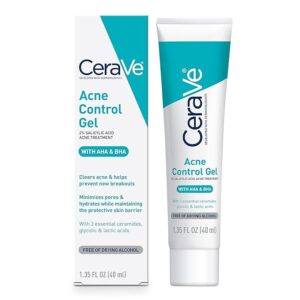
Acne-fighting Ingredients (Benzoyl Peroxide, Salicylic Acid)
Dermatologists recommend two acne-fighting ingredients that stand out as absolute superstars. For holistic approaches, our guide to Hey Bud Mushroom Magic explores natural alternatives that complement traditional acne treatments.

Benzoyl peroxide kills acne-causing bacteria and helps unclog pores. Start with a lower concentration (2.5%) before moving up—many teens make the mistake of going too strong too fast!
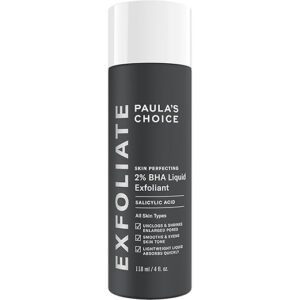
Salicylic acid is another powerhouse ingredient that gently exfoliates inside your pores. This ingredient is perfect for blackheads and whiteheads.
These ingredients can be used together, but they must be introduced gradually to avoid irritation.
Hydrating Ingredients for Balanced Skin
Even oily skin needs proper hydration; dehydrated skin often produces more oil as a compensatory response.
Hyaluronic acid is your best friend – it holds up to 1000 times its weight in water and doesn’t cause breakouts. Many teenagers believe that moisturizer makes acne worse, but that’s not true. In fact, proper hydration is one of the anti-aging skincare essentials that benefits skin at any age.
Glycerin and ceramides are other excellent hydrating ingredients that help repair your skin barrier. Look for these in your moisturizer.
Well-hydrated skin produces less oil and heals from breakouts faster.
Ingredients to Avoid and Why
Some ingredients can be too harsh for teenage skin and worsen existing problems!
Avoid heavy oils and butter that can clog pores. Although ingredients like coconut oil might sound natural, they aren’t always good for acne-prone skin.
Alcohol-based products can strip your skin and increase oil production. Look for denatured alcohol or SD alcohol in ingredient lists.
Fragrances and essential oils might smell nice, but can irritate sensitive teenage skin.
Natural Alternatives for Sensitive Skin
Natural ingredients can be your saving grace if your skin reacts to everything!
Tea tree oil has natural antibacterial properties and can help with acne; ensure it’s properly diluted.
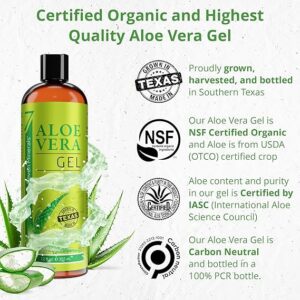
Aloe vera soothes inflammation and provides lightweight hydration. It’s perfect for sensitive skin that needs gentle care. This approach aligns with the gentle power of organic skincare, which is particularly well-suited for reactive teenage skin.
Green tea extracts are rich in antioxidants and help reduce redness without irritating the skin. Look for this ingredient in your toners or serums!
Product Recommendations by Skin Type
Finding the right products for your skin type in your 20s doesn’t have to be overwhelming! After testing hundreds of products, I discovered what works for teenage skin types.
The key is matching your products to your needs—what works for your friend might not work for you!
Let’s explore the best products for each skin type that won’t break the bank or damage your skin.
Best Cleansers for Different Skin Types
Choosing the right cleanser is the foundation of a good Korean skincare routine!
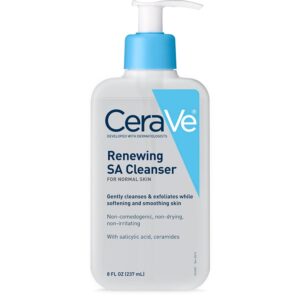
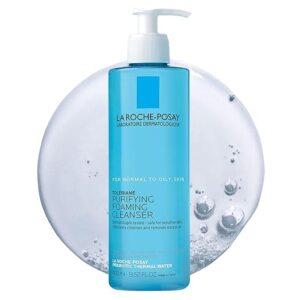
For oily skin, look for a foaming cleanser with salicylic acid. This helps control excess oil without overdrying the skin. The CeraVe Foaming Facial Cleanser is a great option.
Cream or milk cleansers are best for dry skin. I recommend the La Roche-Posay Hydrating Gentle Cleanser, which gently cleanses your skin without stripping it of its natural moisture.
Gel cleansers that balance dry and oily areas can benefit combination skin. For the best results, try the Neutrogena Hydro Boost Gel Cleanser.
Moisturizer Options for Teen Skin

Every skin type needs moisturizer—yes, even oily skin! Lightweight gel moisturizers work best for oily skin. The Neutrogena Hydro Boost Water Gel doesn’t feel heavy or greasy.
Dry skin requires richer creams that aren’t too heavy, so I recommend the Vanicream Moisturizing Cream, which is perfect for sensitive, dry skin.
For extremely dry or irritated areas, the Dove Sensitive Skin Beauty Bar gently cleanses without disrupting your skin’s barrier.
Those with combination skin should try different moisturizers for different areas—use a lighter one on the T-zone and a richer one on the dry areas.
Sunscreen Recommendations
Using sunscreen or sunblock isn’t optional – it’s a must for all skin types. For acne-prone skin, look for oil-free, lightweight formulas. The EltaMD UV Clear SPF 46 doesn’t cause breakouts and works great under makeup.
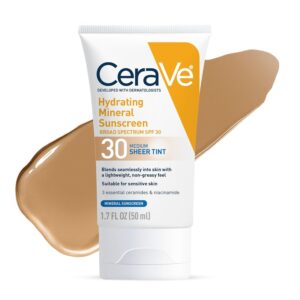
Mineral sunscreens are gentler on sensitive skin. The CeraVe Hydrating Mineral Sunscreen leaves no white cast. If you’re concerned about both skin and environmental protection, explore our top cruelty-free sunscreens for oily skin that won’t clog pores.
Sports enthusiasts need water-resistant formulas. Try the Neutrogena Beach Defense for outdoor activities.
Budget-Friendly Product Alternatives
Great skincare doesn’t have to be expensive! The Ordinary offers effective products at incredible prices – their Niacinamide serum is perfect for controlling oil. Pair these with DIY rice water toners for a cost-effective way to boost your radiance.
CeraVe and Cetaphil make excellent drugstore alternatives to expensive brands. Their products often perform just as well as those of luxury brands.
Look for value sets and larger sizes to save money. Many brands offer starter kits that are perfect for teenagers on a budget.
Remember to watch for sales and deals. If you time your purchases right, you can often find premium products at drugstore prices!
Lifestyle Factors Affecting Teen Skin
Your skincare routine isn’t just about what you put on your face – it’s about how you live your life! The choices you make every day have a significant impact on your skin’s health.
Many teenagers don’t realize that their lifestyle habits are just as important as the products they use.
Let’s explore how various aspects of daily life impact their skin and what they can do to promote healthier skin from the inside out.
Impact of Diet on Skin Health
What you eat shows up on your face more than you think! High-sugar and dairy products can trigger inflammation and breakouts in many teenagers. Your skin reacts to these foods by producing more sebum, or oil. Instead, incorporating the best fruits for glowing skin can naturally enhance your complexion from the inside out.
Foods rich in omega-3 fatty acids and antioxidants help combat inflammation. Your skin’s best friends are salmon, berries, and green leafy vegetables!
Staying hydrated is crucial; aim for eight glasses of water per day. Many teens forget that their skin needs hydration from the inside as well.
Importance of Sleep and Stress Management
Your skin does its best repair work while you sleep. Not getting enough sleep can cause your skin to produce more stress hormones, leading to breakouts. Teenagers need 8-10 hours of sleep for optimal skin health.
Stress causes your body to release cortisol, which triggers the production of excess oil and inflammation. Finding ways to manage stress is crucial.
Try relaxation techniques like deep breathing or meditation – your skin will thank you! For teens struggling with stress-related dark circles, our guide to top eye serums for dark circles in 2026 offers solutions for those late-night study sessions.
Exercise and Hygiene Tips
Regular exercise helps improve blood circulation to your skin! Always wash your face after sweating – leaving sweat on your skin can lead to breakouts. Keep face wipes in your gym bag.
Wear loose, breathable clothing during workouts to prevent body acne. Cotton is your best friend when it comes to exercise wear.
Avoid touching your face during workouts, as gym equipment can harbor bacteria that can worsen acne.
Skincare During Sports and Physical Activities
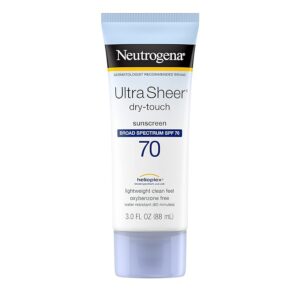
Athletes need special attention to their skincare routine! Apply a lightweight, water-resistant sunscreen before outdoor sports. Reapply every 2 hours or after heavy sweating.
Wear a clean headband to keep sweat from dripping down your face during activities. Sweat mixed with makeup and sunscreen can clog pores.
After practice or games, use a gentle cleanser to remove all the sweat and dirt. Don’t scrub too hard – gentle cleansing is more effective!
Treating Common Teen Skin Issues
Teen skin problems can feel overwhelming, but solutions exist for every issue! Understanding your skin concern type helps you tackle it more effectively.
From pesky pimples to stubborn blackheads, we’ll cover all the common problems and their solutions. The good news is that most teenage skin issues can be managed with the right approach and consistent care!
Different Types of Acne and Treatment Approaches
Not all acne is created equal; knowing which type you have makes treatment more effective.
Inflammatory acne requires benzoyl peroxide or salicylic acid to treat those red, painful bumps. Begin with a lower concentration and gradually increase it.
Cystic acne, which forms deep under the skin, might require prescription treatment. Don’t try to pop these – it only makes things worse!
Hormonal acne typically appears along the jawline and responds well to ingredients like niacinamide. Learning about the best skincare ingredients for hyperpigmentation can also help prevent post-acne dark spots.
Dealing with Blackheads and Whiteheads
Blackheads and whiteheads are the same thing – just clogged pores!
Use BHA (beta-hydroxy acid, also known as salicylic acid) products to gently dissolve the gunk in your pores. Many teens make the mistake of trying to squeeze them out.
Using clay masks once a week helps draw out impurities. Apply only to areas where you get the most blackheads.
Pore strips might seem helpful, but can damage your skin – stick to gentle chemical exfoliation instead.
Managing Oily Skin Throughout the Day
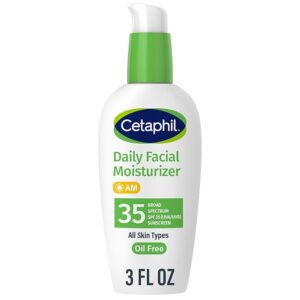
Excess oil production doesn’t have to ruin your day! Begin your day with oil-free products. A mattifying primer helps control shine throughout the day.
Keep oil-absorbing sheets handy for touch-ups. This is better than adding more powder throughout the day. For a refreshing alternative, cold water baths can help reduce oil production throughout the day, promoting a glowing complexion.
Using a lightweight moisturizer can actually help reduce oil production – don’t skip this step just because your skin feels oily.
For a refreshing remedy, try incorporating cucumber skin benefits into your routine for natural oil control.
Addressing Dry Patches and Sensitivity
Even oily skin can get dry patches and sensitivity! Look for products with ceramides and hyaluronic acid to repair your skin barrier.
Many teens overuse harsh products, which can make their skin more sensitive. For severe dryness, consider our recommendations for the 10 best soaps for dry skin that won’t strip natural oils.
Apply moisturizer to damp skin to lock in hydration. Your skin needs more moisture than you think!
If you experience redness or irritation, reduce the use of active ingredients and focus on gentle, soothing products until your skin has healed. The best vitamin E oils in 2026 can provide intensive nourishment during periods of recovery.
Building Healthy Skin Habits for Life
Teenagers must understand that good skin habits formed during these years will have a lasting impact on them. Establishing proper skincare routines during the teenage years helps prevent many common skin problems that could become permanent.
Teenage skin concerns are unique due to hormonal changes, making it crucial to build sustainable habits. While teen skincare education might seem overwhelming, breaking it down into manageable steps makes it easier to maintain.
Creating a Consistent Routine

Teen skincare mistakes often stem from inconsistent routines. A proper morning skincare routine for teens should include a gentle cleanser and an alcohol-free toner.
Next, apply a lightweight teen moisturizer that doesn’t clog pores. In the nighttime skincare routine, teens should prioritize deep cleansing and targeted treatments, especially for acne-prone skin.
Teen skin hygiene plays a crucial role in maintaining a clear complexion. Always remove makeup before bed using proper teen makeup removal products. Remember that over-washing can exacerbate skin problems.
When to See a Dermatologist
Dermatologists recommend that teens be taken seriously when certain skin conditions persist. If you are experiencing severe hormonal breakouts that aren’t working or if acne scar treatment for teens becomes necessary, it is time to seek professional help.
Some teenage skin problems, such as persistent inflammation, require medical intervention.
Watch for signs like cystic acne, unusual changes in your teen’s skin type, or when budget teen skincare products aren’t providing relief. Professional guidance can help identify the underlying teenage skin myths that are affecting your treatment approach.
Seasonal Skincare Adjustments
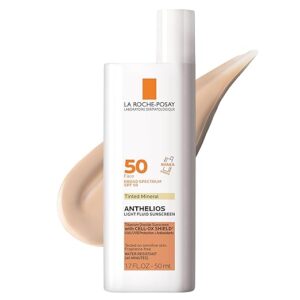
Seasonal skincare for teens requires different approaches throughout the year.
During the summer, finding the best sunscreen for teenage skin becomes crucial, while in winter, the focus shifts to maintaining adolescent skin’s hydration. For those with sensitivity, best organic sunscreens for sensitive skin provide protection without irritation.
Teen skin protection needs vary in response to environmental changes.
Gentle exfoliation for teens should be adjusted according to the seasons—less in winter and slightly more in summer, when managing oily skin becomes more challenging.
Teenagers’ weekly skincare routines may need to be modified based on changes in humidity and temperature.
Long-term Skin Health Strategies
Teen skin wellness depends heavily on lifestyle factors. Teen skin diet tips play a crucial role – eating balanced meals rich in antioxidants supports natural remedies for teenage acne. Teen skin stress management is equally essential as topical treatments.
Special consideration is needed to protect skin during outdoor activities for sports skincare for teens. Teen skin nutrition should include adequate water intake and a balanced intake of healthy fats. Korean skincare teens have gained popularity for their gentle, layered approach.
Remember that teenage skin maintenance is a marathon, not a sprint – patience and consistency are key.
Conclusion: The Ultimate Skincare Routine for Teenagers
Remember, achieving healthy skin is a journey, not a destination! By following this teenage skincare routine and being consistent with your efforts, you’ll be well on your way to clearer, healthier skin.
Start with the basics, listen to your skin’s needs, and remember that everyone’s skin is different; what works for your friends might not work for you. Ready to transform your skin? Start with a tiny change today and gradually build up your routine for the best results!
FAQs: Best Skincare Routine For Teenagers
What Is The Best Skincare Routine For Teenagers?
The best skincare routine for teenagers is simple, gentle, and consistent. A beginner-friendly teen skincare routine includes:
-
Cleanser (Morning + Night): Use a mild, fragrance-free cleanser to remove oil, sweat, and dirt without stripping the skin.
-
Moisturizer (Daily): Apply a lightweight, non-comedogenic moisturizer to keep the skin barrier healthy and prevent dryness.
-
Sunscreen (Every Morning): Use a broad-spectrum SPF 30+ daily—even if you’re indoors—because UV rays can still cause dark spots and early skin damage.
-
Acne Spot Treatment (Only When Needed): If you have breakouts, use salicylic acid or benzoyl peroxide on pimples instead of applying strong treatments all over your face.
This routine helps prevent acne, controls excess oil, and keeps teen skin balanced without irritation.
What Causes Teenage Acne And Breakouts?
Teenage acne is mostly caused by hormonal changes during puberty, which increase oil (sebum) production. Excess oil mixes with dead skin cells and blocks pores, leading to blackheads, whiteheads, and inflamed pimples.
Other common triggers include:
-
Genetics (family history of acne)
-
Stress and lack of sleep
-
Heavy makeup or oily hair products
-
Touching your face often
-
Certain foods (especially high sugar or processed foods)
A consistent skincare routine and gentle acne treatments can help control breakouts over time.
How Can I Reduce Oily Skin As A Teenager?
To reduce oily skin as a teenager, focus on balancing oil instead of stripping it. These tips work best:
-
Use a gel or foaming cleanser designed for oily or acne-prone skin
-
Look for ingredients like salicylic acid to unclog pores
-
Avoid overwashing, because it can trigger even more oil production
-
Always use a light, oil-free moisturizer, so your skin doesn’t overcompensate
-
Use blotting papers during the day for instant shine control
With the right products, oily skin becomes more manageable, and breakouts often improve, too.
What Are The Most Common Teenage Skin Types, And How Can I Identify My Own?
Knowing your skin type helps you choose the right products and avoid irritation. The most common teenage skin types include:
-
Oily Skin: Shiny T-zone, enlarged pores, frequent breakouts
-
Combination Skin: Oily forehead/nose (T-zone) but dry or normal cheeks
-
Dry Skin: Tight feeling, dullness, flaking, or rough patches
-
Sensitive Skin: Redness, itching, burning, or reactions to new products
If your skin changes with the weather or stress, that’s normal—teen skin can shift between types, so keep your routine flexible.
Can Diet And Lifestyle Affect Teenage Skin?
Yes—diet and lifestyle can affect teen skin more than most people realize. Breakouts may get worse with:
-
Sugary snacks and processed foods
-
Too much dairy for some teens
-
Not drinking enough water
-
Poor sleep and high stress
For clearer skin, focus on:
-
Drinking more water
-
Eating antioxidant-rich foods (berries, leafy greens)
-
Getting 7–9 hours of sleep
-
Staying active and managing stress
Healthy habits support your skin from the inside while skincare handles the outside.
What Are The Biggest Skincare Mistakes Teenagers Make?
The biggest skincare mistakes teenagers make often lead to more breakouts, irritation, or acne scars, such as:
-
Overwashing or using harsh cleansers that damage the skin barrier
-
Skipping sunscreen, which can worsen acne marks and dark spots
-
Using too many products at once causes redness and sensitivity
-
Popping pimples, which increases the risk of scarring and infection
The best results come from a simple routine, patience, and choosing gentle products made for teen skin.
📋 Medical Disclaimer
For Educational Purposes Only: This article is written by Kousar Subhan, a Medical Writer and Researcher, and is intended for informational and educational purposes only. The content provided is based on scientific research, peer-reviewed studies, and dermatological literature available as of December 2025.
Not Medical Advice: The information in this article does not constitute medical advice, diagnosis, or treatment recommendations. It should not be used as a substitute for professional medical consultation, diagnosis, or treatment from a board-certified dermatologist or qualified healthcare provider.
Individual Results May Vary: Skin conditions, including hyperpigmentation, melasma, and UV-induced pigmentation, vary significantly between individuals based on genetics, skin type, hormonal factors, and environmental exposure.
Consult Your Healthcare Provider: Before starting any new skincare regimen, especially if you are pregnant, breastfeeding, have diagnosed skin conditions, are taking medications, have sensitive skin, or are undergoing dermatological treatments.
Product Safety: Always perform a patch test before using new skincare products. Discontinue use and consult a healthcare professional if you experience irritation or adverse reactions.