
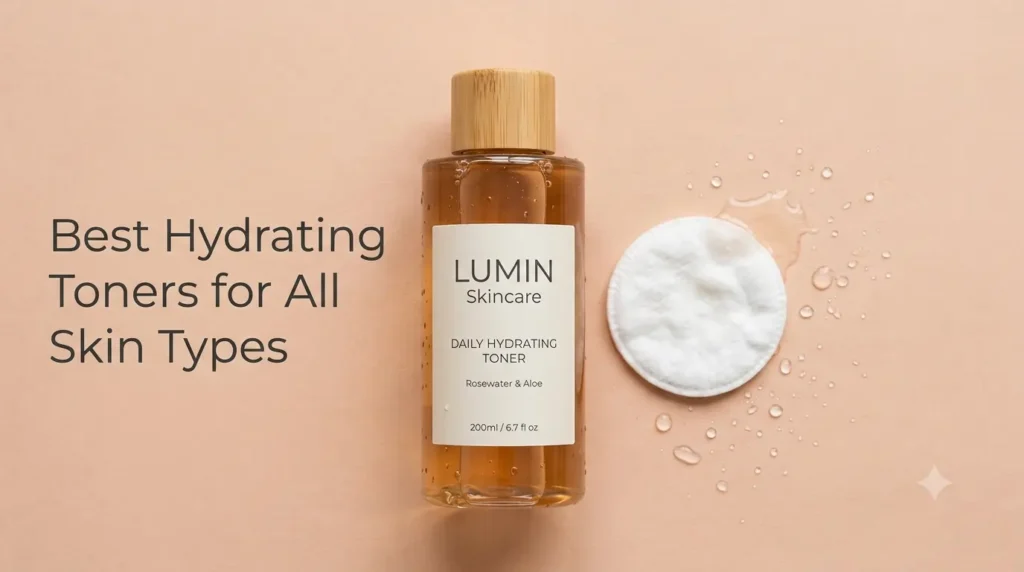
Best Hydrating Toners for Every Skin Type in 2026
I still remember the first toner I ever used. It smelled like rubbing alcohol, it stung a little going on, and I genuinely thought that sting meant it was “working.” Sound familiar? A lot of us grew up on that idea — toner as punishment, not comfort. Honestly, it took me years to unlearn it.
Here’s the thing: toner has changed. A lot. The astringent, pore-shrinking splash our moms kept in the medicine cabinet has mostly given way to something gentler and, frankly, smarter. Modern hydrating toners are built around humectants — ingredients that pull water into the skin rather than strip it away. According to the American Academy of Dermatology, glycerin and hyaluronic acid are two of the most reliable moisture-boosting ingredients you can put on your skin, and they show up in toners constantly now, not just serums (AAD).
So why does this matter? Because “best” isn’t one product — it’s a moving target depending on whether your skin runs dry, oily, reactive, or somewhere in between. A board-certified dermatologist interviewed by Parade put it simply: there’s no single best brand, just the one that matches your skin type, goals, and tolerance (Parade). That’s basically the thesis of this whole guide.
We’re going to walk through what a hydrating toner actually does, which ingredients are worth your money, how to pick one for your specific skin type — dry, oily, combination, sensitive, rosacea-prone, mature — and how to apply it so you’re not just pouring liquid down the drain. We’ll also get into the mistakes that quietly sabotage your hydration, even when you’re using a good product. Let’s get into it.
What Does a Hydrating Toner Actually Do for Your Skin?
A hydrating toner sits in that in-between space right after cleansing and before your serum — it’s not just filler. Its job, at its core, is to replace some of the moisture your cleanser just removed, rebalance your skin’s surface, and prep everything underneath so it can actually absorb better. It sounds small. It isn’t.
Toner vs. Essence vs. Serum — What’s the Difference?
People mix these up constantly, and honestly, the marketing doesn’t help. A toner is typically the thinnest, most water-like of the three, applied right after cleansing to remove residue and deliver a first layer of hydration. An essence sits in the middle — a bit more concentrated, often with fermented or hydrating actives, popularized by Korean skincare routines.
A serum is the most concentrated, typically targeting a specific concern, such as brightening or fine lines. Think of it as a gradient of texture and concentration, not three unrelated products. You don’t need all three, but if you use more than one, apply thinnest to thickest.
Why Alcohol-Free Formulas Matter for Hydration
This is where the old-school stinging toner falls apart under scrutiny. Denatured alcohol (the kind in old astringent toners) evaporates fast and can strip your skin’s natural lipids, which is exactly what you don’t want if hydration is the goal. Alcohol-free, humectant-rich formulas do the opposite — they lock moisture in rather than pulling it out, leaving skin plump instead of tight.
Retailers and dermatology-adjacent sources alike now frame alcohol-free as the baseline expectation for a “hydrating” toner, not a Premium feature (Rodan + Fields). If a toner still burns or tightens, that’s not your skin “purging” — that’s just irritation.
Key Ingredients to Look for in a Hydrating Toner
Ingredient lists can feel like a foreign language, so let’s simplify. A genuinely hydrating toner usually leans on three categories: humectants, barrier-supporters, and soothing agents. You don’t need all of them in one bottle, but the more boxes a formula checks, the more versatile it tends to be.
Humectants: Hyaluronic Acid and Glycerin
Humectants are moisture magnets. Hyaluronic acid, in particular, can hold a remarkable amount of water relative to its weight, which is why it shows up in nearly every “hydrating” product on shelves right now. A dermatologist at PeaceHealth explains that hyaluronic acid attracts and binds with water to increase hydration (PeaceHealth) — but here’s the catch a lot of marketing leaves out: it doesn’t build or reinforce your skin barrier on its own. It just draws water in. If nothing follows to seal that moisture, you can actually end up drier than before, especially in low-humidity weather. That’s why toner should never be your last step.
Barrier-Supporting Ingredients: Ceramides and Panthenol
Ceramides are the lipids that physically hold your skin cells together, functioning almost like mortar between bricks. Dermatologists note that ceramides make up roughly a third of the skin’s overall lipid composition, and when that balance is disrupted, dryness, sensitivity, and even eczema-like flares become more likely (Anne Arundel Dermatology). Panthenol (provitamin B5) works alongside ceramides to support that same barrier while calming any irritation along the way. Together, they’re less flashy than hyaluronic acid but arguably do more of the long-term heavy lifting.
Soothing Botanicals: Centella, Chamomile, and Aloe
If your skin runs reactive, these are the names to look for. A board-certified dermatologist quoted in Parade recommends seeking out hydrators like glycerin and panthenol alongside soothing agents such as centella, chamomile, aloe, and allantoin, plus barrier-supporting ceramides and niacinamide (Parade). Centella asiatica, in particular, has become something of a cult favorite in Korean-influenced skincare for calming redness without feeling heavy or occlusive.
Best Hydrating Toners for Dry Skin
If your skin feels tight within minutes of washing your face, dry skin is probably your baseline, not just a winter problem. The goal here isn’t just “more hydration” — it’s hydration that actually stays put.
What Ingredients Matter Most for Dry, Flaky Skin?
For dry skin, you want a formula that layers humectants with something slightly richer — think glycerin or hyaluronic acid paired with ceramides, or in some formulas, thermal spring water. One dermatologist-tested toner built specifically for reactive, dry skin relies on thermal spring water, glycerin, and niacinamide with no fragrance or unnecessary filler ingredients, which matters a lot if your skin reacts to nearly everything (Smytten). Fragrance is one of the most common irritants in skincare, dry or otherwise, so “fragrance-free” isn’t a marketing gimmick here — it’s a functional filter.
How to Apply Toner Without Irritating Dry Patches
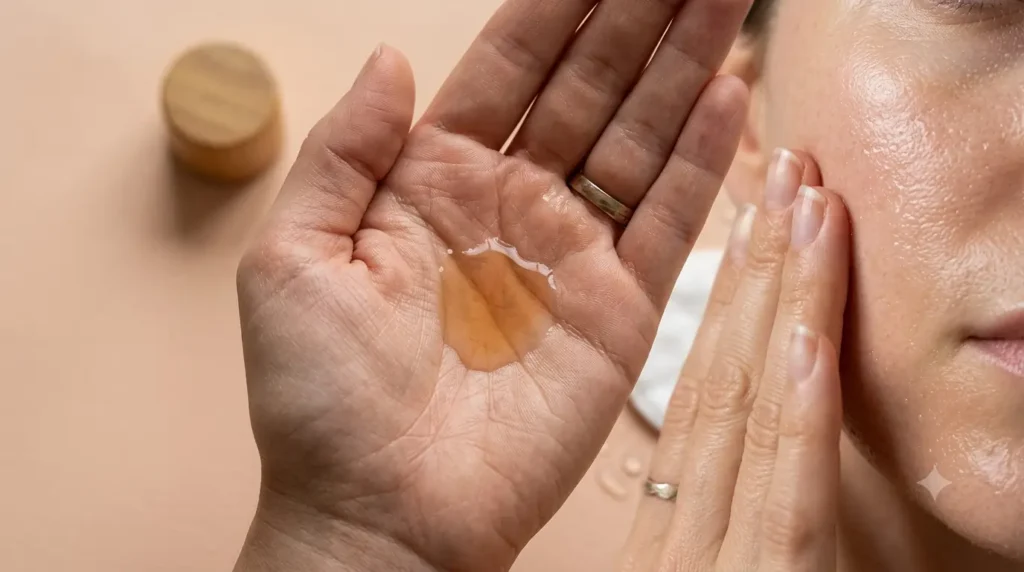
Technique matters more than people assume. Cotton pads soak up product — sometimes a shocking amount of it — before it ever touches your skin, which is wasteful and can also create friction on already-compromised patches. Pouring a small amount into clean palms and gently pressing it into skin instead ensures more of the product actually absorbs, and it’s gentler on delicate, dry areas (Smytten). It’s a tiny habit change, but it adds up over weeks of use.
Best Hydrating Toners for Oily and Combination Skin
Here’s a mild contradiction worth sitting with for a second: oily skin can absolutely still be dehydrated. Oil and hydration are not the same axis. Skin can overproduce sebum while still lacking water content, which is often why it overproduces oil in the first place — it’s compensating.
Can Oily Skin Still Benefit From a Hydrating Toner?
Yes, and honestly, skipping hydration because your skin already looks “shiny” can backfire. Balanced, lightweight toners featuring mild niacinamide or featherweight peptides support hydration and oil control simultaneously, particularly across the T-zone, without leaving any greasy residue behind (Rodan + Fields). The key word is lightweight — you’re not looking for a rich, cream-based formula here, just enough moisture to keep your barrier from overcompensating.
Balancing Hydration and Oil Control in the T-Zone
Combination skin is its own puzzle — dry cheeks, oily forehead and nose, sometimes within the same face wash. Botanical ingredients like green tea or chamomile tend to work well here because they calm irritation in drier zones while helping balance oilier ones, and people using them often report fewer flare-ups along with more even texture overall (DermOnDemand). You don’t necessarily need two different products for two different zones; a well-formulated toner can bridge that gap on its own.
Best Hydrating Toners for Sensitive Skin and Rosacea-Prone Skin
Sensitive skin doesn’t just want gentle — it wants predictable. Every new product is a small gamble, so the fewer variables, the better.
Ingredients to Avoid If You Have Sensitive or Reactive Skin
Alcohol and added fragrance are the two biggest red flags. Calming formulas that skip both, leaning instead on ingredients like chamomile or oat extract, tend to protect the moisture barrier rather than compromise it (DermOnDemand). Worth noting: “unscented” isn’t the same as fragrance-free. Unscented products can still contain masking chemicals designed to neutralize odors from other ingredients, and those chemicals can themselves be irritating to reactive skin (AAD). Read labels carefully — the word choice actually matters here.
Is Toner Safe If You Have Rosacea?
It can be, but caution is non-negotiable. Dermatologists generally recommend introducing any new product — toner included — one at a time, and patch-testing on a small area before applying it across the whole face, especially for anyone with sensitive or rosacea-prone skin (AAD). If you’re in an active flare, it’s worth checking with a board-certified dermatologist before adding anything new, toner included. This isn’t about fear-mongering — it’s just that rosacea-prone skin reacts fast, and it’s easier to prevent a flare than calm one down after the fact.
Best Hydrating Toners for Mature and Aging Skin
As skin ages, natural hyaluronic acid production slows down, and the barrier itself tends to thin — which is part of why dryness becomes more common later in life, not just a seasonal issue.
Do Hydrating Toners Help With Fine Lines?
Indirectly, yes. Hydration itself doesn’t erase wrinkles, but well-hydrated skin reflects light more evenly and looks visibly smoother, which softens the appearance of fine lines even without targeting them directly. Toners built for mature skin typically focus on boosting hydration and gentle exfoliation, with hydrating ingredients like hyaluronic acid, glycerin, and ceramides addressing age-related dryness specifically (Ulta).
Pairing Toner With Peptides and Antioxidants
Peptides support the skin’s structural appearance over time, and pairing them with a hydrating toner base can make a formula feel more comprehensive rather than one-note. Mild AHAs like lactic acid, used at low concentration, can also gently resurface without triggering the irritation that stronger acids might cause on more mature, thinner skin (Ulta). None of this replaces sunscreen, by the way — hydration and peptides help skin look and feel better, but daily SPF remains the actual anti-aging workhorse.
How to Use a Hydrating Toner the Right Way
You can buy the perfect toner and still get mediocre results if the application is off. This part is almost more important than the ingredient list.
Morning vs. Nighttime Application
Toner generally works both AM and PM, right after cleansing. In the morning, it preps skin for lightweight serums and SPF; at night, it can help offset any dryness from actives like retinoids or exfoliating acids used earlier in the week. There’s no universal rule that says you must use it twice daily — some people with very reactive skin do better easing in every other day at first, then building up tolerance.
Cotton Pad vs. Hands — Which Is Better?
As mentioned earlier for dry skin specifically, hands generally win here across skin types. Cotton pads absorb product, and unless you’re using toner to sweep away leftover makeup or debris, you’re often wasting a chunk of what you paid for. Pressing product in with clean palms tends to be both more economical and gentler.
What to Layer After Your Toner
Standard order: cleanse, tone, then serum, then moisturizer, then SPF in the morning. Toner should sit on slightly damp skin and be allowed to absorb fully before the next layer goes on — rushing this step is one of the most common (and easily fixed) application errors people make (Ulta).
Common Toner Mistakes That Undo Your Hydration
Even a great toner can underperform if a few habits get in the way. Let’s name them so you can actually fix them.
Using Alcohol-Based Formulas Out of Habit
Old habits die hard, and some people still reach for an astringent toner because it’s what they’ve always used, or because the tingle feels like “proof” it’s working. It’s worth repeating: that sting is irritation, not efficacy. A common misconception is that only oily skin benefits from toner and that all toners are inherently harsh — but most current formulas are alcohol-free and have been clinically tested for tolerability across skin types (Rodan + Fields).
Skipping Moisturizer After Toner
This one’s sneaky. Hydrating toner pulls water toward the skin’s surface, but without a moisturizer to seal it in, that water can simply evaporate back out — especially in dry indoor air or during winter months. Toner is a step, not a substitute for moisturizer.
Over-Exfoliating With Acid Toners
Some toners blend hydration with mild exfoliating acids, which is fine in moderation but easy to overdo, especially if you’re also using a separate exfoliating serum or retinoid. Stacking too many actives at once is one of the fastest ways to compromise the very barrier you’re trying to hydrate. If you’re not sure which actives are safe to combine, our guide on how to layer active ingredients breaks down the order and pairings to avoid.
Quick Comparison: Which Hydrating Toner Fits Your Skin?
| Skin Type | Look For | Avoid |
|---|---|---|
| Dry | Glycerin, hyaluronic acid, ceramides, thermal spring water | Alcohol, high-fragrance formulas |
| Oily/Combination | Niacinamide, lightweight peptides, green tea | Heavy, cream-based textures |
| Sensitive/Rosacea | Centella, chamomile, oat extract, fragrance-free | Alcohol, added fragrance, “unscented” masking agents |
| Mature | Peptides, hyaluronic acid, mild lactic acid | Harsh, high-strength acids without buildup |
Quick-Reference Checklist Before You Buy
Before you check out, scan the label for three things: no denatured alcohol near the top of the ingredient list, at least one humectant (glycerin or hyaluronic acid), and — if your skin runs sensitive — a fragrance-free claim rather than just “unscented.” If a formula checks those boxes and matches your skin type from the table above, you’re probably in good shape.
Conclusion: Best Hydrating Toners for Every Skin Type
If there’s one thing worth taking away from all this, it’s that hydration isn’t a single product — it’s a layered habit, and toner is just one link in that chain. The “best” hydrating toner genuinely depends on what your skin needs that particular season, not what’s trending on your feed this week.
Modern formulas have moved past the sting-equals-results myth, and honestly, that shift is a good thing for all of us. Whether you’re dealing with dry patches in January or an oily T-zone in July, there’s a version of this product built for you — you just have to read past the marketing to find the ingredients that actually match your skin.
Give it time, patch-test before committing, and don’t skip the moisturizer after. That’s really it.
FAQs: Best Hydrating Toners for Every Skin Type
What is the best toner for all skin types?
There’s no single universal pick, but alcohol-free, humectant-based formulas with hyaluronic acid and glycerin tend to work broadly well as a starting point, since they hydrate without stripping. Personalization still matters based on your specific skin concerns.
Do dermatologists recommend toners?
Many do, situationally. One board-certified dermatologist notes toner can absorb leftover dirt, oil, and makeup, and can serve as a gentler cleansing alternative when frequent washing feels too harsh on the skin (Parade).
Do you really need a toner?
Not strictly. It’s an optional step that can rebalance and hydrate skin after cleansing, but skipping it won’t cause harm as long as you’re cleansing gently and moisturizing consistently.
Is it okay to not use a toner?
Yes, completely. Toner is a helpful addition, not a mandatory step. A solid cleanse-moisturize-SPF routine works fine without it for many people.
Does toner reduce redness?
Certain formulas can. Fragrance-free, soothing toners with centella asiatica, panthenol, and calendula are formulated to visibly calm redness while supporting the skin’s natural moisture barrier (Rodan + Fields).
Which is the best hydrating toner for dry skin?
Look for alcohol-free formulas combining glycerin or hyaluronic acid with ceramides, or thermal spring water for extra-reactive dry skin. Apply with hands rather than a cotton pad for better absorption.
Should I use a toner if I have rosacea?
Possibly, with caution. Patch-test first, choose fragrance-free and alcohol-free formulas, and check with a board-certified dermatologist if you’re in an active flare before introducing anything new.
What is the most effective hydrating toner?
“Most effective” depends on ingredients rather than brand — combinations of hyaluronic acid, glycerin, and ceramides are generally considered the strongest baseline for genuine hydration.
Which toner is best for eczema-prone skin?
Fragrance-free formulas with ceramides and calming ingredients like oat extract are typically safest, since fragrance is a common irritant for reactive, eczema-prone skin (AAD).

About Subhan Usafzai
Evidence-Based Skincare Educator & Formulation Specialist
I'm Subhan Usafzai (Fazli Subhan), an Evidence-Based Skincare Educator and Formulation Specialist. My background includes first-hand experience as a technician and research support in skin departments across tertiary military hospitals since 2006, and since 2008 I've focused on researching and translating clinical and formulation science into practical, evidence-based guidance. My formal training includes Coursera's Introduction to Cosmetic and Skincare Science and the four-course Introduction to Cosmetic Science and Ingredients specialization (Cosmetic Formulation Science, Cosmetic Product Development, and Quality Control and Regulatory in Cosmetic Science), authorized by Olay. Every article I write is checked against current research and reviewed by our medical team before publishing.
✅ Medically reviewed by Dr. Muhammad Khurram Ahmad, MD, Board-Certified Dermatologist · 📅 Last updated: July 2026
Medical Disclaimer
For Educational Purposes Only: This article is written by Subhan Usafzai, an Evidence-Based Skincare Educator and Formulation Specialist, for educational and informational purposes only. The information draws on scientific research, peer-reviewed studies, and dermatological literature available as of July 2026.
Not Medical Advice: This content does not constitute medical advice, diagnosis, or treatment. It is not a substitute for consultation with a qualified healthcare professional or dermatologist.
Individual Results May Vary: Skin conditions and responses to skincare products vary according to individual characteristics, skin type, hormonal factors, and environmental exposure.
Consult Your Healthcare Provider: Seek professional guidance before changing your skincare regimen, particularly during pregnancy or breastfeeding, or if you have a diagnosed skin condition, take medication, have sensitive skin, or receive dermatological treatment.
Product Safety: Consider patch testing new products. Discontinue use if irritation or an adverse reaction occurs, and seek medical advice when needed.
Affiliate Disclosure
Amazon Associates Disclosure: As an Amazon Associate I earn from qualifying purchases.
Editorial Independence: Affiliate relationships do not determine our product reviews or recommendations. We aim to provide balanced, research-informed information to help readers make informed skincare choices.
Supporting Glow Guide Hub: Qualifying purchases through affiliate links may earn us a commission at no additional cost to you.