

Best Organic Face Wash for Sensitive Skin in 2026: Top Cleansers
 Are you struggling with redness and irritation? The best organic face wash for sensitive skin in 2026 combines hypoallergenic ingredients and vegan formulas to soothe reactive complexions.
Did you know 70% of people report reduced sensitivity to fragrance-free, dermatologist-tested cleansers? As a skincare researcher, I’ve seen transformative results with brands like Obagi Medical’s chamomile wash and Sebamed’s pH-balanced gel.
Discover 2025’s top hypoallergenic cleansers—gentle, sulfate-free, and packed with organic actives like aloe and oat. Ideal for eco-conscious routines, these natural cleansers for sensitive skin soothe inflammation while boosting radiance.
Your calm, glowing journey starts here!
Understanding Sensitive Skin and Organic Cleansers
Sensitive skin requires a gentle approach, especially when it comes to cleansing. Using a hypoallergenic organic facial cleanser can minimize the risk of reactions while ensuring a thorough cleanse. Many gentle botanical face wash formulations are specifically crafted to soothe and nourish sensitive skin.
With fragrance-free natural cleansers (like Dove Sensitive Skin Beauty Bar), you can avoid the irritation caused by artificial additives.
This section explores how irritation-free organic skincare can transform your daily routine into a calming, effective experience.
Definition of Truly Sensitive Skin vs. Sensitized Skin
Let’s clear up a common misconception! While many of us think we have sensitive skin, there is a significant difference between naturally sensitive and sensitized skin.
I discovered this distinction during my years of skincare research, and it has been a game-changer for choosing the right cleanser.
Truly sensitive skin is genetic – you’re born with it. If you’ve always had skin that reacts readily to temperature changes, gets red quickly, or feels tight even with gentle products, that’s naturally sensitive skin. Conditions such as rosacea, eczema, or persistent inflammation often accompany it.
On the other hand, sensitized skin is a temporary condition caused by external factors. Perhaps you’ve overused harsh exfoliants, been exposed to extreme weather, or tried too many new products at once (we’ve all been there!).
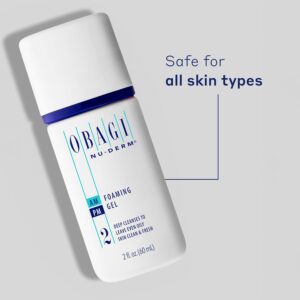
The good news is that sensitized skin can usually be repaired by simplifying your routine and using gentle, organic cleansers, such as Obagi Nu-Derm Cleanser for Normal to Oily and Sensitive Skin. Benefits of Organic Ingredients for Sensitive Complexions
Organic ingredients are like a warm hug for your sensitive skin! Unlike synthetic ingredients, organic compounds work in harmony with your skin’s natural processes, rather than against them.
Here’s what makes them special:
First, organic ingredients typically have higher levels of antioxidants—such as vitamins A, C, and E. These powerhouses help protect your skin barrier while fighting environmental damage. Organic botanicals like chamomile and calendula contain natural anti-inflammatory properties that help calm irritated skin.
Another huge benefit?
Organic ingredients are grown without synthetic pesticides or harmful chemicals, which means fewer potential irritants come into contact with sensitive skin. People we recommend often notice a significant difference in skin comfort within weeks of switching to organic cleansers.
Key Certifications to Look for (USDA, COSMOS, Ecocert)
Don’t get fooled by greenwashing! In the world of natural skincare, certifications are your best allies. These small symbols on your cleanser bottles hold significant meaning.
The USDA Organic seal is the gold standard in the US – it guarantees a minimum of 95% organic ingredients. COSMOS and Ecocert are respected European certifications that ensure strict organic and natural ingredient standards.
Before purchasing any “organic” cleanser, I always check for at least one of these certifications, especially when looking for cruelty-free skincare options.
Lesser-known but equally important are certificates like NATRUE and the Soil Association. These organizations have rigorous benchmarks for organic and natural cosmetics, often exceeding basic requirements.
Common Irritants to Avoid in Conventional Cleansers
Here’s the scary truth – many conventional cleansers contain ingredients that can cause harm to sensitive skin. I’ve compiled a list of the worst offenders based on dermatological research and personal experience:
1. Sulfates (SLS/SLES): These harsh surfactants strip your skin’s natural oils
2. Synthetic fragrances: A significant trigger for sensitive skin reactions
3. Artificial colors: Unnecessary additives that can cause irritation
4. Parabens: Preservatives linked to skin sensitivity
5. Phthalates: Often hidden in fragrance formulations
Instead, use cleansers with gentle, plant-based surfactants, such as coco glucoside or decyl glucoside. These naturally derived ingredients effectively clean without disrupting your skin’s delicate balance.
Pro tip: Even natural ingredients can sometimes cause reactions. I always recommend patch-testing new products on your inner arm for 24 hours before applying them to your face. Remember, your skin’s needs might change with seasons or stress levels, so stay tuned to how it responds to different ingredients.
Top Ingredients to Look for in Organic Face Washes
Are you digging for a genuinely natural way to cleanse your face? Understanding what goes into organic face washes can help you create more informed skincare choices.
Let’s research the ingredients that make natural cleansers effective on a daily basis.
Calming botanicals (chamomile, calendula, aloe) in Organic Face Wash for Sensitive Skin
Starting your skincare journey with gentle plant extracts can transform your cleansing experience. These nature-sourced ingredients do more than just clean – they actively support your skin’s health.
Wild-crafted chamomile soothes irritated skin while reducing unwanted redness. Organic calendula, often called nature’s skin healer, helps repair and protect your skin’s barrier.
Fresh cucumber extract or aloe vera gel, extracted directly from the plant, provides natural moisture without clogging pores.
Many people overlook these botanical titans, focusing instead on trendy synthetic ingredients. However, these time-tested plant extracts offer remarkable benefits for sensitive skin types.
Combined with a face wash, they create a gentle yet effective cleansing base that won’t disturb your skin’s natural balance.
Gentle surfactants derived from coconut in Organic Face Wash
Understanding cleansing agents can be challenging, but coconut-based surfactants provide a gentle alternative to harsh chemicals. These plant-derived cleansers work differently from traditional soap-based products. Instead of stripping your skin, they gently remove dirt and excess oil while maintaining essential moisture.
Raw coconut-derived surfactants break down daily impurities without disrupting your skin’s delicate microbiome. This gentle approach to cleansing helps prevent the tight, uncomfortable feeling many people experience after washing their face. Look for unrefined coconut surfactants in your organic face wash – they’re often listed as coco glucoside or sodium cocoyl glutamate on ingredient labels.
Nourishing Natural Oils (Jojoba, Hemp Seed) in Organic Face Wash for Sensitive Skin
Cold-pressed plant oils play a crucial role in organic face washes, though many people mistakenly avoid them.
Raw jojoba oil closely mimics your skin’s natural oil structure, making it an excellent cleanser for all skin types, including those with concerns about hyperpigmentation.
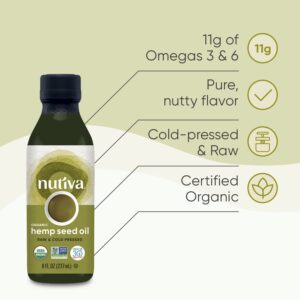
Unrefined hemp seed oil, rich in omega-3 and omega-6 fatty acids, helps balance oil production while providing essential nutrients.
These pure plant oils work differently from synthetic moisturizers. They help dissolve makeup and sunscreen while simultaneously nourishing your skin.
Combined with gentle surfactants, these oils create a balanced cleansing experience that leaves your face clean but never stripped.
Skin-Supporting Vitamins and Antioxidants in Organic Face Wash for Sensitive Skin
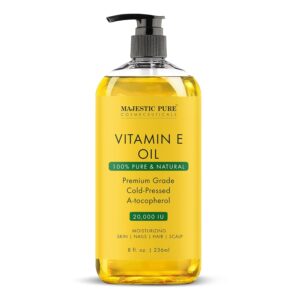
Natural vitamins and antioxidants provide more than just basic skincare benefits. Whole-plant vitamin E protects your skin from environmental stress while supporting natural healing processes. Raw botanical antioxidants from organic herbs and fruits fight free radical damage throughout the day.
Many commercial products use synthetic versions of these nutrients, but organic face washes contain them naturally. This means better absorption and more benefits for your skin.
When choosing a cleanser, look for products that list complete plant sources rather than isolated vitamin names.
Remember, effective organic skincare doesn’t need complicated ingredient lists. The best natural face washes combine these four essential elements in their purest forms. By choosing products with these carefully selected ingredients, you support your skin’s health and sustainable beauty practices.
Instead of following trendy skincare advice, focus on these time-tested organic ingredients. They’ve been used for generations to maintain healthy, balanced skin. Combined thoughtfully, they create a gentle yet effective cleansing routine supporting your skin’s natural processes.
Your face wash forms the foundation of your skincare routine. Choosing one with these organic ingredients helps ensure you start with a clean, nourished base for the rest of your products. Take the time to read ingredient labels and look for these natural components – your skin will thank you for choosing gentle, effective, and organic options.
The Korean acne skincare routine is a game-changer for those seeking clear, healthy skin. This innovative approach, newly introduced to the market, combines gentle yet effective products with a focus on hydration and healing.
Featuring carefully curated cleansers and face washes, it ensures a thorough yet soothing cleanse, making it a transformative addition to any skincare regimen.
Best Organic Face Washes for Different Skin Concerns
Finding the perfect organic face wash can feel like searching for a needle in a haystack. With numerous natural cleansers flooding the market, let’s examine carefully curated options that deliver results tailored to specific skin needs.
Best Overall Organic Cleanser for Sensitive Skin
When dealing with reactive skin, gentle yet effective cleansing becomes crucial. Small-batch handcrafted cleansers often provide the most nurturing experience for sensitive complexions.
Look for face washes containing stress-relieving botanicals, such as butterfly pea flower or wild-harvested marshmallow root. These lesser-known ingredients offer exceptional calming properties without triggering reactions.
Local artisanal brands frequently incorporate mountain-grown herbs and unprocessed plant extracts that larger manufacturers overlook. These pure ingredients work harmoniously to cleanse without disrupting your skin’s delicate balance.
For ultra-sensitive skin, such as that of babies, consider oil-to-milk formulations that use unrefined camellia seed oil as their base – a gentle alternative to traditional foaming cleansers.
Top Pick for Combination Sensitive Skin
Balancing combination skin while respecting its sensitive nature requires a thoughtful selection of ingredients. Forest-harvested white willow bark provides natural BHA properties without the harshness of synthetic salicylic acid. Combined with raw honey crystals, it helps manage oily areas while soothing dry, sensitive skin.
Not well-known ingredients, such as wild-crafted soapwort root, create mild, natural foam that doesn’t strip moisture. Australian desert lime, rich in native vitamin C, offers gentle exfoliation for combination skin that can’t tolerate traditional scrubs.
These unique botanical combinations provide effective cleansing while maintaining skin harmony.
Best Budget-Friendly Options
Affordable organic skincare shouldn’t mean compromising on quality. Small homestead-grown herb producers often create exceptional cleansers at reasonable prices. Look for brands that use locally sourced ingredients, such as hand-pressed rosehip oil or sustainably wildcrafted yarrow. These companies frequently offer refill programs, making their products even more cost-effective.
Community-supported agriculture (CSA) beauty brands incorporate seasonal botanicals into their cleansers, providing fresh, potent ingredients at lower costs. Consider cleansing bars made with cold-processed goat’s milk from family farms – they last longer than liquid cleansers while delivering superior nourishment.
Luxury Organic Face Washes Worth the Splurge
Sometimes, investing in premium natural skincare yields transformative results. Artisanal producers who use rare, ethically wildcrafted ingredients create unique formulations that are worth their higher price point. Alpine-sourced edelweiss extract, renowned for its protective properties, is featured in limited-quantity cleansers from small European manufacturers.
High-end organic brands often incorporate precious ingredients, like hand-harvested sea buckthorn or glacier milk, pure water from melting glaciers rich in trace minerals. Combined with time-intensive traditional extraction methods, these exceptional elements justify their luxury status.
Look for cleansers featuring snow lotus, sustainably sourced from high-altitude regions, or blue tansy oil, distilled in small batches by master herbalists. While expensive, these products often contain higher concentrations of active botanicals and require less product per use.
When selecting luxury organic face washes, focus on those that use traditional processing methods, such as lunar infusion or low-temperature extraction. These techniques preserve the vital energy of precious plant materials, resulting in more effective cleansing experiences.
Investing in quality organic skincare often means supporting sustainable harvesting practices and traditional farming communities. While these products may be more expensive initially, their concentrated formulations and superior ingredients typically offer better value over time.
Whether you choose budget-friendly options or luxury formulations, prioritize cleansers that cater to your skin’s specific needs. The best organic face wash respects your skin’s sensitivity and personal values while delivering consistent results.
How to Use Organic Face Wash Effectively
Switching to natural skincare is just the first step – knowing how to use your organic cleanser properly can make all the difference in your skin’s health.
Let’s explore the essential techniques that maximize the benefits of your organic face wash.
Proper Cleansing Technique for Sensitive Skin
Gentle handling becomes crucial when cleansing reactive or delicate skin. Start by dampening your face with filtered water—tap water minerals can sometimes trigger sensitivity. Using your ring fingers (the weakest fingers), apply your plant-based cleanser in upward circular motions. This traditional Asian beauty technique promotes lymphatic drainage while preventing unnecessary pressure.
Try the “butterfly touch” method for ultra-sensitive complexions: imagine your fingertips are butterfly wings, barely touching the petals of a flower. This mindful approach prevents micro-irritation that often goes unnoticed.
Pro tip: Never drag or pull at your skin. Instead, use a patting motion to work the cleanser into your skin, focusing on often-overlooked areas, such as the nose creases and jawline. This Korean-inspired technique provides thorough cleansing without aggravation.
Water Temperature Considerations
The debate between hot and cold water extends beyond basic preferences. For optimal results, start with lukewarm water (approximately room temperature) to gently open the pores. Avoid the common mistake of using hot water, which can trigger excess oil production and redness.
When rinsing, gradually decrease the water temperature to prevent overheating. End with cool (not cold) water – this helps calm any cleansing-induced redness and gently tightens pores. This temperature transition technique, known as “contrast washing” in European skincare, helps maintain the skin barrier.
Lesser-known tip: Consider using spring or filtered water if you live in an area with hard water. Hard water minerals can interact with natural cleansers, reducing their effectiveness and potentially causing irritation to sensitive skin.
Frequency of Cleansing
Contrary to popular belief, more cleansing doesn’t equal cleaner skin. For most skin types, thorough cleansing once daily, preferably in the evening, provides optimal results. Morning cleansing can be as simple as rinsing with water or gently wiping with a damp, organic cotton cloth.
Follow the “mindful cleansing calendar” approach:
- Morning: Light cleanse or water rinse
- Evening: Thorough cleanse
- Post-workout: Quick rinse with plain water
- Double cleanse: Only when wearing heavy makeup or mineral sunscreen
This balanced schedule helps maintain your skin’s natural microbiome – the beneficial bacteria that protect your health.
Signs Your Cleanser Isn’t Working for You
Understanding your skin’s feedback helps prevent long-term issues. Watch for these often-overlooked signals that suggest your current skin cleanser might not be the right match:
1. Morning residue on your pillowcase
2. A tight feeling that lasts more than 5 minutes after cleansing
3. Increased oil production in unusual areas
4. Delayed redness appearing hours after washing
5. Small bumps along the hairline or jaw area
Pay attention to seasonal changes as well. Your skin’s needs might shift with the weather, requiring adjustments to your cleansing routine. Watch for subtle signs, such as increased flakiness or mild irritation – these early indicators are often overlooked.
Remember, transitioning to organic skincare is a journey unique to your skin. Begin with gentle products and adjust your technique according to your skin’s response.
When chosen and used correctly, organic face washes can transform your skincare routine from an essential hygiene step into a nurturing ritual that supports long-term skin health.
Special note for sensitive skin types
Consider keeping a skin diary for the first month when using a new cleanser. Track factors like stress levels, diet, and weather alongside your skin’s response. This holistic approach helps identify genuine cleanser reactions versus external triggers.
Additional Tips for Maintaining Sensitive Skin
Understanding how to care for sensitive skin goes beyond choosing the right cleanser. Discover evidence-based approaches and lesser-known strategies to achieve and maintain healthy, calm skin.
Complementary Skincare Products
Building a gentle skincare routine requires thoughtful product selection. Begin with alcohol-free, microbiome-supporting toners that contain fermented rice water or cucumber seed extract.
Lesser-known ingredients to look for:
- Snow mushroom extract: Nature’s alternative to hyaluronic acid
- Propolis-free bee essence: Gentler than traditional honey products
- Marine pine bark: A potent yet gentle antioxidant source
Layer your products using the “7-second rule.” Apply each product within 7 seconds of the previous one while the skin remains slightly damp. This Korean beauty technique enhances absorption without overwhelming sensitive skin.
Essential additions to your routine:
- Fragrance-free barrier cream with beta-glucan
- Cruelty-free sunscreens with non-nano zinc oxide
- Centella-infused spot treatment
Lifestyle Factors Affecting Skin Sensitivity
Understanding environmental and lifestyle triggers helps prevent reactions before they start. Consider these often-overlooked factors:
Indoor Air Quality:
- Install a Himalayan salt lamp to reduce air pollutants
- Use a silk pillowcase to minimize friction
- Consider a bedroom humidifier with essential oil-free operation
Diet and Hydration:
- Incorporate antioxidant-rich fruits and seeds, which include omega-3-rich seeds, also found in sacha inchi
- Choose low-histamine foods when possible
- Use copper-filtered water for drinking and washing
Lesser-known triggers to monitor:
- Blue light exposure from devices
- Synthetic fabric face masks
- Hard water mineral buildup
Common Mistakes to Avoid
Many traditional skincare practices can harm sensitive skin. Watch out for these under-discussed issues:
Over-exfoliation Signs:
- Morning skin tightness
- Delayed redness response
- Increased reaction to usual products
Avoid these hidden irritants:
- Essential oil-free doesn’t mean fragrance-free
- Natural doesn’t always mean gentle
- Organic products can still cause reactions
Lesser-known mistakes:
- Using facial tools without proper sanitization
- Layering too many active ingredients
- Mixing certain natural ingredients that clash
When to Consult a Dermatologist
While many sensitive skin issues can be managed at home, certain signs warrant professional attention. Track these often-missed indicators:
Subtle Warning Signs:
- Persistent dullness despite proper hydration
- Unexplained texture changes
- Delayed inflammatory response
Seek immediate consultation for:
- Thread-like broken capillaries
- Unusual moisture barrier disruption
- Persistent skin barrier dysfunction
New developments in telemedicine make dermatology more accessible. Consider virtual consultations for:
- Routine sensitivity assessments
- Product reaction documentation
- Treatment plan adjustments
Key indicators requiring in-person visits:
- Unexplained pattern reactions
- Chronic inflammation cycles
- Sudden sensitivity changes
Pro tip: Document your skin’s behavior using a dedicated skin journal app or tracker.
Record:
- Daily sensitivity levels
- Product reactions
- Environmental factors
- Sleep patterns
Remember that sensitive skin needs to adapt to changes in season and age. Regular assessment helps prevent major issues before they develop. Focus on building a consistent, gentle routine that supports your skin’s natural healing processes rather than fighting against them.
Your skin’s microbiome takes approximately 28 days to adjust to new products or routines. Allow any changes sufficient time to take effect before making additional adjustments, and always introduce new products one at a time, conducting patch testing.
Conclusion: Organic Face Wash for Sensitive Skin
Finding the perfect organic face wash for sensitive skin doesn’t need to be overwhelming. You can make informed choices that support your skin’s health by understanding key ingredients, proper application techniques, and your skin’s unique needs. Remember that natural skincare is a journey—what works for others might not work for you.
Begin with gentle, minimalist formulations and observe how your skin reacts. Consider factors such as water temperature, cleansing frequency, and complementary products in your skincare routine. Most importantly, listen to your skin’s signals and adjust accordingly. With patience and the proper organic face wash for sensitive skin, you can achieve a balanced, healthy complexion without harsh chemicals or irritants.
Create a nurturing skincare routine that respects your skin’s sensitivity while delivering effective cleansing. The best organic face wash for sensitive skin leaves your face feeling clean yet comfortable, never tight or irritated.
Investing in high-quality organic skincare isn’t just about achieving immediate results; it also promotes long-term skin health and fosters environmental consciousness. Your skin is unique, and finding the right organic face wash for sensitive skin is a personal journey worth taking.
FAQs: Best Organic Face Wash for Sensitive Skin
What Makes An Organic Face Wash Hypoallergenic?
An organic face wash is considered hypoallergenic when it’s formulated to reduce the risk of irritation and allergic reactions. The best hypoallergenic organic cleansers avoid common triggers like sulfates (SLS/SLES), synthetic fragrance, harsh preservatives, and drying alcohols. Instead, they use gentle plant-derived ingredients such as oat extract, aloe vera, calendula, chamomile, and glycerin to cleanse without stripping the skin barrier. This helps sensitive skin stay calm, hydrated, and balanced.
Why Should I Choose Fragrance-Free Natural Cleansers?
Fragrance-free natural cleansers are ideal for sensitive skin because fragrance is one of the most common causes of irritation and redness—even when it’s labeled “natural.” Choosing a fragrance-free face wash helps reduce the risk of itching, stinging, and flare-ups, especially for people with eczema, rosacea, or reactive skin. A good fragrance-free cleanser relies on mild surfactants and soothing botanical ingredients to clean the skin while protecting the microbiome.
How Do I Ensure My Skincare Routine Is Irritation-Free?
To keep your skincare routine irritation-free, choose products that support the skin barrier and avoid ingredients that commonly trigger sensitivity. Look for certified organic or clean formulations (such as USDA Organic or ECOCERT when available), and avoid:
-
Sulfates
-
Drying alcohols
-
Artificial dyes
-
Strong essential oils
-
Harsh exfoliating acids are used too frequently
For best results, use a pH-balanced organic face wash, apply a simple moisturizer with ceramides or squalane, and always patch test new products—especially if your skin reacts easily.
Are There Dermatologist-Recommended Natural Face Washes For Sensitive Skin?
Yes, many dermatologists recommend gentle, pH-balanced, fragrance-free, non-stripping cleansers, even when they’re plant-based or “clean.” Look for formulas designed for sensitive skin from trusted skincare brands that prioritize minimal irritation and barrier support. If you’re choosing a natural cleanser, focus on keywords like “fragrance-free,” “pH balanced,” “for sensitive skin,” and “non-comedogenic” rather than selecting only based on organic labeling.
Why is pH Balance Important In A Face Wash?
pH balance matters because your skin naturally sits at pH 4.7–5.5, which helps protect the moisture barrier and healthy bacteria. A pH-balanced natural face wash helps prevent dryness, tightness, and irritation—especially for sensitive or rosacea-prone skin. Cleansers with a high (alkaline) pH can disrupt your skin barrier, leading to redness, breakouts, and increased sensitivity, so staying close to skin’s natural pH helps keep your face calm and comfortable.
Can I Use Organic Products For Exfoliation If I Have Sensitive Skin?
Yes, but sensitive skin needs gentle exfoliation and the right method. Choose plant-based exfoliators that polish the skin without causing micro-tears, such as:
-
Jojoba beads
-
Rice bran
-
Oat-based gentle powders
Avoid rough scrubs that feel gritty or sharp, and exfoliate only 1–2 times per week to prevent barrier damage. If you want more gentle options, explore DIY methods carefully and focus on soothing ingredients that support skin recovery.

About Subhan Usafzai
Evidence-Based Skincare Educator & Formulation Specialist
I'm Subhan Usafzai (Fazli Subhan), an Evidence-Based Skincare Educator and Formulation Specialist. My background includes first-hand experience as a technician and research support in skin departments across tertiary military hospitals since 2006, and since 2008 I've focused on researching and translating clinical and formulation science into practical, evidence-based guidance. My formal training includes Coursera's Introduction to Cosmetic and Skincare Science and the four-course Introduction to Cosmetic Science and Ingredients specialization (Cosmetic Formulation Science, Cosmetic Product Development, and Quality Control and Regulatory in Cosmetic Science), authorized by Olay. Every article I write is checked against current research and reviewed by our medical team before publishing.
✅ Medically reviewed by Dr. Muhammad Khurram Ahmad, MD, Board-Certified Dermatologist · 📅 Last updated: January 2026
📋 Medical Disclaimer
For Educational Purposes Only: This article is written by Subhan Usafzai, an Evidence-Based Skincare Educator and Formulation Specialist, and is intended for informational and educational purposes only. The content provided is based on scientific research, peer-reviewed studies, and dermatological literature available as of January 2026.
Not Medical Advice: The information in this article does not constitute medical advice, diagnosis, or treatment recommendations. It should not be used as a substitute for professional medical consultation, diagnosis, or treatment from a board-certified dermatologist or qualified healthcare provider.
Individual Results May Vary: Skin conditions, including hyperpigmentation, melasma, and UV-induced pigmentation, vary significantly between individuals based on genetics, skin type, hormonal factors, and environmental exposure.
Consult Your Healthcare Provider: Before starting any new skincare regimen, especially if you are pregnant, breastfeeding, have diagnosed skin conditions, are taking medications, have sensitive skin, or are undergoing dermatological treatments.
Product Safety: Always perform a patch test before using new skincare products. Discontinue use and consult a healthcare professional if you experience irritation or adverse reactions.