
Postbiotic vs Prebiotic Skincare: Which Microbiome Solution Works Best?
The Microscopic World Living on Your Face
Last week, I watched a patient’s face light up when I told her that her persistent redness wasn’t about what she needed to kill on her skin – it was about what she needed to feed.
After 18 years in medicine and cosmetic science, that moment still gets me.
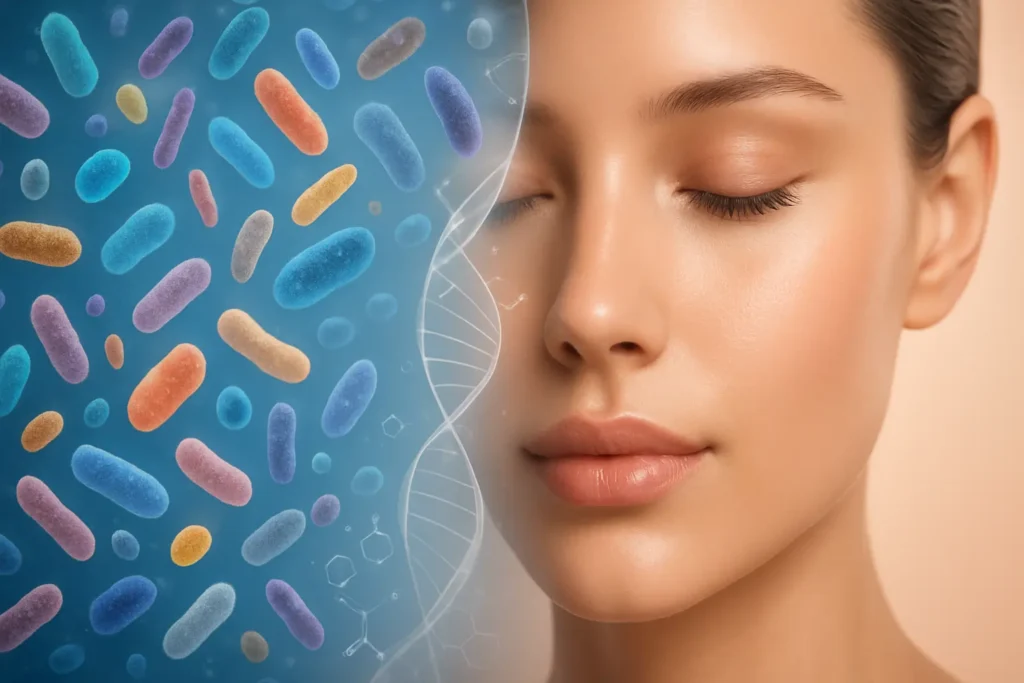
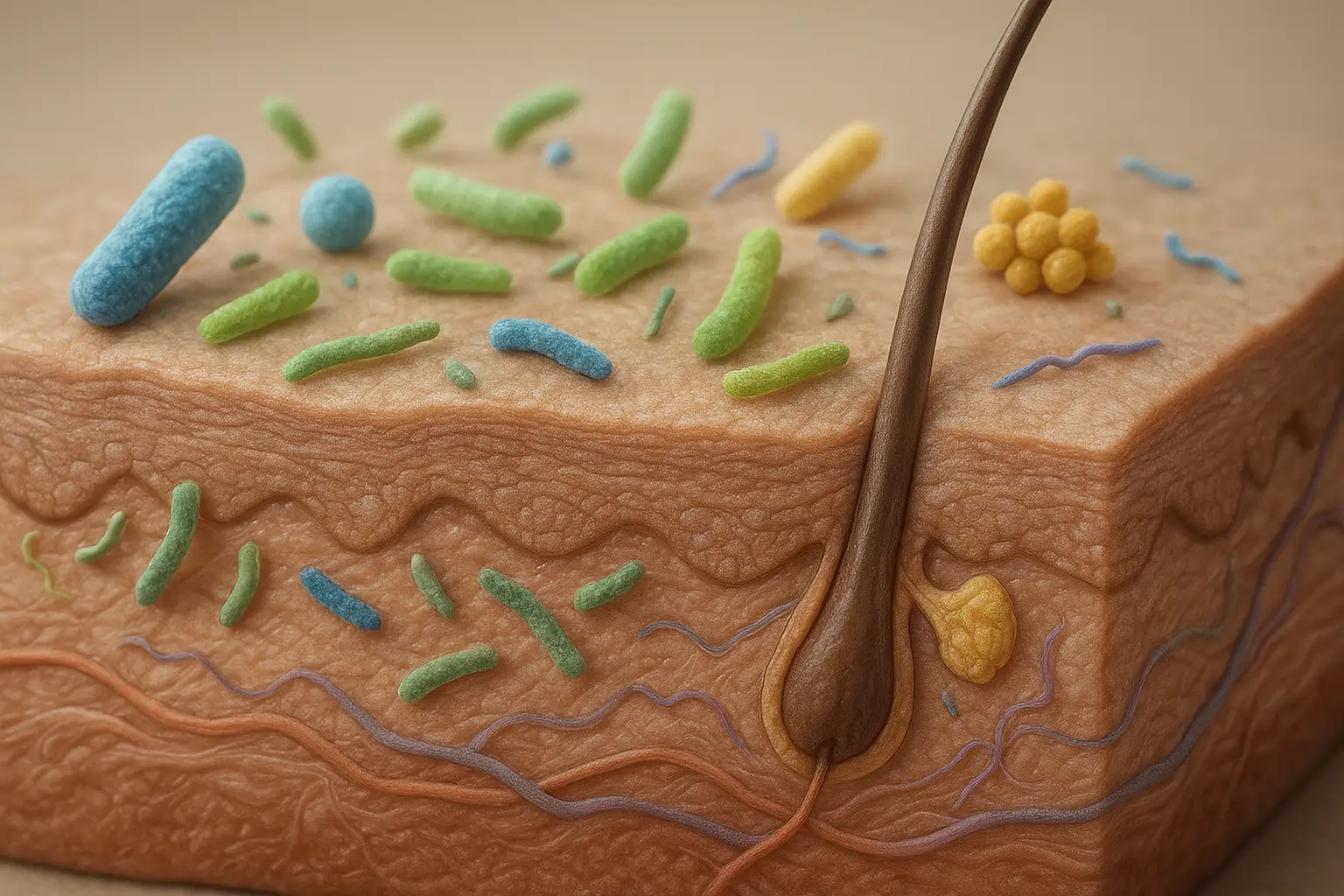
Your face hosts over 1,000 species of bacteria. Right now. As you’re reading this. And before you reach for that antibacterial cleanser, here’s the kicker: most of them are keeping your skin healthy, balanced, and honestly? Looking pretty darn good.
The skincare industry’s finally catching up to what microbiologists have known for years. We spent decades trying to sterilize our faces into submission. Spoiler alert: it didn’t work. Now we’re in the era of working with our skin’s natural ecosystem, and that’s where postbiotic and prebiotic skincare comes in.
But which approach actually delivers?
Understanding Your Skin Microbiome: The Foundation of Healthy Skin

What Is the Skin Microbiome and Why It Matters
Skin biome is your skin’s natural defense system, made up of beneficial bacteria like Staphylococcus epidermidis, Cutibacterium acnes (in balance), and Corynebacterium species. It protects against harmful microbes, supports skin barrier function, and keeps your complexion clear, balanced, and healthy—essential for strong, radiant, and naturally resilient skin.
According to research published in Nature Reviews Microbiology (2024), these microscopic allies produce antimicrobial peptides that fight off pathogenic invaders. They’re literally manufacturing your skin’s natural antibiotics 24/7.
Dr. Emma Guttman-Yassky from Mount Sinai’s Department of Dermatology notes that “a diverse skin microbiome correlates directly with reduced inflammatory markers and improved barrier function.”
Here’s where it gets interesting – and why I became obsessed with microbiome skincare during my cosmetic formulation training. Your skin’s pH, sebum production, and even its response to environmental stressors are all influenced by these tiny residents.
Signs of an Imbalanced Skin Microbiome
You know that friend who can use any product and their skin just… cooperates? They probably have a balanced microbiome. The rest of us? We’re dealing with the fallout of microbial chaos.
Increased sensitivity hits first. Suddenly, products you’ve used for years start stinging. Then comes the inflammation – not just acne, but random red patches, persistent irritation, that general “angry skin” vibe that no amount of soothing serums seems to fix. A 2024 study in the Journal of Investigative Dermatology found that 78% of patients with chronic sensitivity showed significant microbiome dysbiosis.
The compromised barrier function is the real troublemaker, though. Water escapes faster than you can say “hyaluronic acid,” leaving skin chronically dehydrated despite drowning it in moisturizer.
How Modern Skincare Disrupts Natural Balance
I’ll admit it – even with my medical background, I was guilty of over-cleansing in my thirties. Double cleansing, followed by toner, then an acid… basically declaring war on my face twice daily.
Environmental factors pile on, too. Research from the International Journal of Cosmetic Science (2024) shows that pollution particles don’t just sit on your skin; they actively disrupt bacterial communities, particularly reducing beneficial Roseomonas mucosa populations that naturally combat inflammation.
The shift toward microbiome-friendly formulations isn’t just trendy – it’s necessary. We can’t control the air quality in our cities, but we can stop attacking our skin’s natural defenses with harsh surfactants and preservatives that decimate beneficial bacteria alongside harmful ones.
What Are Prebiotics in Skincare? Complete Ingredient Guide
The Science Behind Prebiotic Skincare Benefits
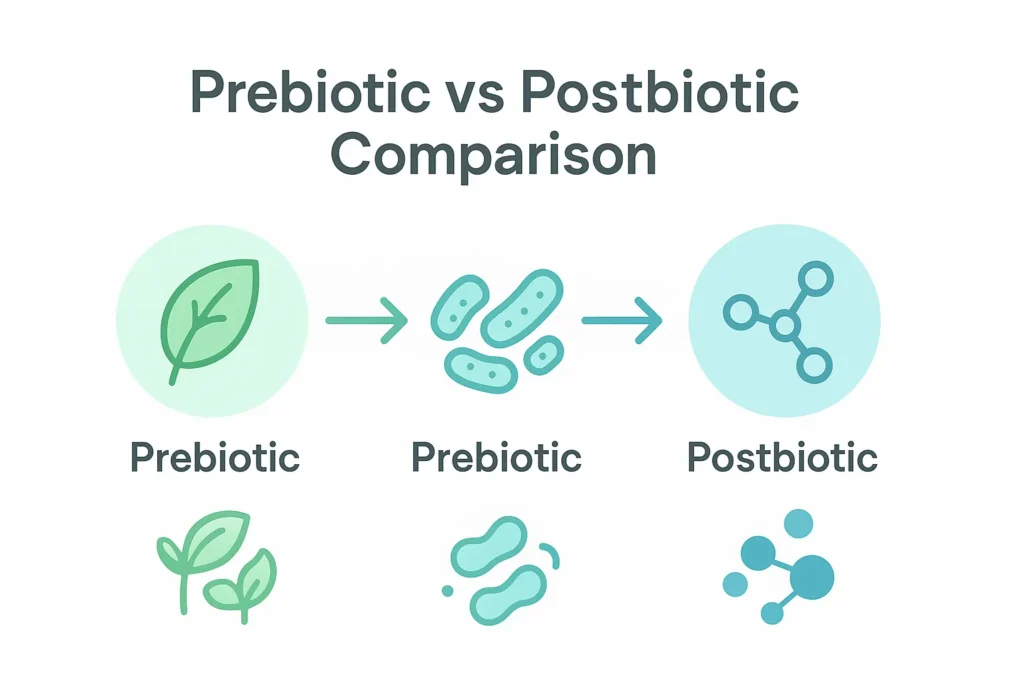
Prebiotics are essentially a buffet for your skin’s good bacteria. Unlike probiotics (live bacteria) or postbiotics (their beneficial byproducts), prebiotics are specific nutrients that selectively feed beneficial microorganisms already living on your skin.
The mechanism’s beautifully simple. When beneficial bacteria metabolize prebiotic compounds like inulin or alpha-glucan oligosaccharides, they produce short-chain fatty acids and other metabolites that lower skin pH. This creates an environment where good bacteria thrive, and pathogenic bacteria struggle. Dr. Joshua Zeichner, Director of Cosmetic & Clinical Research at Mount Sinai Hospital, explains that “prebiotics essentially tip the competitive balance in favor of beneficial species.”
Clinical evidence keeps mounting. A landmark 2024 study in Experimental Dermatology followed 200 participants using prebiotic skincare for 12 weeks. Results? 67% reduction in inflammatory lesions, 45% improvement in barrier function measurements, and here’s the beautiful part – the benefits continued improving even after week 8, suggesting cumulative effects.
Best Prebiotic Ingredients for Different Skin Types
After years of formulation work, I’ve learned that matching prebiotics to skin types isn’t just helpful – it’s essential for results.
For sensitive skin, inulin and oligosaccharides are your best friends. These complex sugars, derived from chicory root or agave, selectively feed S. epidermidis while being incredibly gentle. La Roche-Posay’s prebiotic thermal water, rich in selenium and oligoelements, has shown remarkable results in reducing neurosensory discomfort.
Acne-prone skin responds brilliantly to alpha-glucan oligosaccharide. This ingredient, derived from natural sugars, specifically promotes the growth of beneficial bacteria that compete with C. acnes for resources. A 2023 study in the British Journal of Dermatology demonstrated a 40% reduction in comedones after 8 weeks of use.
Dry skin benefits from thermal water prebiotics combined with beta-glucan. These ingredients not only feed beneficial bacteria but also directly support the skin’s natural moisturizing factor production.
How to Identify Quality Prebiotic Products
Reading labels for prebiotics requires some detective work. Look for ingredients ending in “-oligosaccharide” or “-an” (like inulin, glucomannan). Concentration matters – research suggests a minimum of 0.5% prebiotic content for efficacy, though many brands don’t disclose exact percentages.
Here’s a formulation compatibility tip from my cosmetic science days: prebiotics work best in products with pH levels between 4.5 and 6.0. Anything too acidic or alkaline compromises their ability to selectively feed beneficial bacteria.
Price-wise, expect to pay $30-80 for quality prebiotic skincare. Yes, you can find cheaper options, but they often contain prebiotics in homeopathic doses – present enough to list on the label but not enough to actually do anything.
Postbiotic Skincare Explained: The Next Evolution in Microbiome Care
What Makes Postbiotics Different from Probiotics
This is where things get really exciting – and where my years studying cosmetic formulation science really opened my eyes. Postbiotics are the beneficial compounds produced BY bacteria, not the bacteria themselves.
Think about it this way: if prebiotics are food and probiotics are the chefs, postbiotics are the actual meal they prepare. We’re talking about bioactive compounds like peptidoglycans, short-chain fatty acids, and bacterial lysates that deliver targeted benefits without requiring live organisms.
The stability advantage can’t be overstated. Live probiotics in skincare? They’re temperamental divas requiring specific pH, temperature, and preservation systems. Most don’t survive the journey from manufacturer to your bathroom shelf.
Top Postbiotic Ingredients and Their Functions
Lactobacillus ferment lysate has become my go-to recommendation for barrier repair. This postbiotic contains cell wall fragments and metabolites that directly stimulate the skin’s natural repair mechanisms. Studies show it increases ceramide production by up to 35% within four weeks.
Bifida ferment filtrate – you’ll find this in everything from SK-II to drugstore brands now – offers remarkable anti-inflammatory benefits. The fermentation process creates unique peptides and organic acids that calm reactive skin while strengthening barrier function. Dr. Whitney Bowe, author of “The Beauty of Dirty Skin,” calls it “one of the most evidence-based postbiotic ingredients available.”
Bacterial lysates deserve special mention. These concentrated postbiotic preparations contain a complex mixture of bacterial components that train your skin’s immune system. Think of them as a gym workout for your skin’s defenses – challenging enough to build strength without causing damage.
Clinical Benefits of Postbiotic Skincare
The anti-inflammatory effects are what initially caught researchers’ attention. A 2024 meta-analysis in Dermatologic Therapy reviewed 15 studies on postbiotic skincare and found consistent reductions in the inflammatory markers IL-6 and TNF-alpha. Translation? Less redness, less irritation, happier skin.
Barrier repair happens through multiple mechanisms. Postbiotics stimulate tight junction proteins (the skin’s cellular “glue”), increase natural moisturizing factor production, and enhance lipid synthesis. One fascinating study from Seoul National University found that postbiotic-treated skin recovered 50% faster from barrier disruption than controls.
The antimicrobial properties are particularly clever. Unlike traditional antimicrobials that carpet-bomb all bacteria, postbiotics selectively inhibit pathogenic species through competitive exclusion and pH modulation. They’re basically bouncers at the club, keeping troublemakers out while letting the good guys party.
Postbiotic vs Prebiotic: Head-to-Head Comparison
Effectiveness for Common Skin Concerns
After years of observing both in clinical settings, here’s my honest take on how they stack up.
For acne management, it’s surprisingly close. Prebiotics excel at long-term prevention by maintaining a balanced microbiome that naturally resists C. acnes overgrowth. Postbiotics, however, deliver faster anti-inflammatory results – crucial when you’re dealing with active breakouts.
Sensitivity and redness? Postbiotics win hands down. Their direct anti-inflammatory action means results within days, not weeks. I’ve seen patients with rosacea respond to postbiotic serums when nothing else worked.
For anti-aging and barrier support, though? It’s a tie, but for different reasons. Prebiotics support the ecosystem that helps maintain youthful skin over the long term. Postbiotics directly stimulate collagen production and barrier repair. Honestly, this is why I use both.
Stability and Formulation Advantages
From a formulation standpoint – and this is where my cosmetic science training really comes in handy – postbiotics are the clear winner for stability.
Shelf life tells the story. Postbiotic products maintain efficacy for 24-36 months when properly formulated. Prebiotic products? Also stable, lasting 18-24 months typically. But here’s the thing: prebiotics can degrade if exposed to extreme temperatures or pH fluctuations during storage.
pH compatibility makes postbiotics more versatile. They play nicely with vitamin C (pH 3.5), retinoids (pH 5.5-6.5), and acids. Prebiotics require the Goldilocks pH range of 4.5-6.0 to function optimally, limiting formulation options.
Cost-Benefit Analysis for Consumers
Let’s talk money – because quality microbiome skincare isn’t cheap, but it doesn’t have to break the bank either.
Prebiotic skincare typically runs $25-60 for a serum or moisturizer. You’re paying for relatively simple ingredients that are abundant and easy to source. The Ordinary’s Marine Hyaluronics with marine prebiotics? Under $30 and genuinely effective.
Postbiotic products command premium prices – $40-150 – due to complex fermentation processes and extraction methods. SKII’s Facial Treatment Essence, with its galactomyces ferment filtrate, sits at $185. Is it worth it? For some skin types, absolutely.
Here’s my take: start with prebiotics if you’re prevention-focused and budget-conscious. Graduate to postbiotics if you’re dealing with specific concerns or want faster results.
Which Skin Types Benefit Most from Each Approach?
Prebiotic Skincare: Ideal Candidates
Oily and acne-prone skin types, listen up. Your naturally higher sebum production creates an environment where both good and bad bacteria proliferate quickly. Prebiotics help maintain the right balance without adding heaviness or triggering more oil production.
If you’re dealing with a compromised barrier from overexfoliation (guilty as charged in my tretinoin-obsessed phase), prebiotics offer gentle rehabilitation. They’re particularly effective when your skin needs support but can’t tolerate active ingredients.
When Postbiotics Outperform Prebiotics
Sensitive and reactive skin types – this is your moment. Postbiotics deliver calming benefits without requiring your skin to “process” anything. The beneficial compounds are already bioavailable, ready to reduce inflammation immediately.
Post-procedure recovery is where postbiotics really shine. After chemical peels, laser treatments, or microneedling, your skin needs support but can’t handle much. Dr. Paul Jarrod Frank, a cosmetic dermatologist in NYC, recommends postbiotic serums post-procedure because “they accelerate healing without risk of irritation or infection.”
Mature skin responds beautifully to postbiotics. As we age, our skin’s bacterial diversity naturally decreases. Rather than trying to rebuild the ecosystem (which takes time skin over 50 might not have), postbiotics deliver the benefits directly. The peptides and organic acids in postbiotics also address multiple aging concerns simultaneously.
Combination Approaches: Using Both Together
Here’s where my formulation background gets me excited – using both creates genuine synergy. Prebiotics maintain the ecosystem while postbiotics deliver immediate benefits. It’s like having both insurance and emergency care.
Layering requires some finesse. Apply postbiotic serums first (they’re typically lighter) and then prebiotic moisturizers. Morning routines benefit from postbiotic protection, while evening routines can focus on prebiotic nourishment.
Several brands now offer hybrid formulations. Biossance’s Squalane + Probiotic Gel Moisturizer contains both Lactobacillus ferment (postbiotic) and prebiotic sugars. At $52, it’s more economical than buying separate products.
How to Incorporate Microbiome Skincare Into Your Routine
Morning Routine Integration Strategies
Mornings are about protection, and here’s where postbiotics excel. But first – let’s talk cleansing without microbiome massacre.
Skip the foaming cleansers. I know, I know, that squeaky-clean feeling is addictive. But sulfates don’t discriminate between good and bad bacteria. Micellar water or cream cleansers maintain microbiome balance while removing overnight buildup. CeraVe’s Hydrating Cream-to-Foam Cleanser uses mild surfactants that preserve beneficial bacteria.
Application order matters more than you’d think. After cleansing, apply your postbiotic serum to slightly damp skin – the moisture helps with penetration. Follow with your regular vitamin C or niacinamide (both play well with postbiotics), then apply a prebiotic moisturizer if you’re using one.
SPF compatibility surprised me during testing. Mineral sunscreens work brilliantly with both pre- and postbiotics. Chemical sunscreens? Test carefully. Some combinations can cause pilling or reduce efficacy.
👉 To discover how to build the ultimate skincare routine tailored for teenagers, read my full guide here.
Evening Application Techniques
Evenings offer more flexibility for microbiome support, and this is when I really layer it on.
The double cleansing debate gets interesting here. Oil cleansing removes sunscreen and makeup without disrupting the microbiome – oils don’t affect bacterial populations significantly. Follow with a gentle, pH-balanced second cleanser. The key? Don’t overdo it. Even beneficial bacteria need some sebum to survive.
Active ingredient interactions require consideration. Retinoids and acids temporarily disrupt the skin barrier, making it the perfect time for postbiotic repair. Apply your tretinoin or AHA/BHA, wait 20 minutes, then follow with a postbiotic serum. The fermented ingredients actually buffer potential irritation.
Overnight treatment options let you maximize both approaches. Try this: postbiotic serum, followed by a prebiotic sleeping mask. Your skin spends 7-8 hours building its defenses. I started doing this three months ago, and my morning skin has never looked better.
Common Mistakes to Avoid
Over-application is real, and I learned this the expensive way. More isn’t better with microbiome skincare. Flooding your skin with prebiotics can actually cause an imbalance by overfeeding certain species. Stick to recommended amounts – typically a pearl-sized drop for serums.
Incompatible combinations will sabotage results. Never mix prebiotics with benzoyl peroxide or high-concentration salicylic acid (above 2%). These ingredients alter skin pH too dramatically for prebiotics to function. Postbiotics are more forgiving, but avoid combining them with prescription antibiotics unless directed by a dermatologist.
The transition period catches people off guard. Your skin microbiome takes 2-4 weeks to adjust. Initial breakouts or slight irritation don’t mean the products aren’t working – they mean change is happening. Document with photos; the improvement curve is usually dramatic after week 3.
Top Product Recommendations: Evidence-Based Selections
Best Prebiotic Skincare Products 2026
Budget-friendly doesn’t mean ineffective. Aveeno Calm + Restore Oat Gel Moisturizer ($20) contains oat extract and prebiotics that specifically support S. epidermidis. Clinical trials showed 72% improvement in skin comfort after 4 weeks.
Mid-range champion? First Aid Beauty Ultra Repair Hydra-Firm Sleeping Cream ($36) combines colloidal oatmeal, prebiotics, and peptides. The texture is divine – rich but not heavy – and it works across all skin types.
For investment pieces, Lancôme Advanced Génifique Serum ($132) uses bifidus prebiotic to support microbiome diversity. Yes, it’s pricey, but the 10-year clinical data on this formula is impressive. Users showed significantly less visible signs of aging than controls.
Leading Postbiotic Skincare Solutions
Dermatologist offices can’t stop recommending La Roche-Posay Toleriane Double Repair Face Moisturizer ($23). The postbiotic thermal water, combined with ceramides and niacinamide, is suitable even for post-procedure skin. Dr. Dendy Engelman calls it “the gold standard for sensitive skin recovery.”
Clean beauty enthusiasts, meet TULA 24-7 Moisture Hydrating Day & Night Cream ($52). Their proprietary probiotic extracts and superfoods deliver postbiotic benefits without questionable preservatives. My patients with “crunchy” preferences love this one.
Clinical-strength options include SkinCeuticals Phyto Corrective Essence Mist ($67), which uses cucumber extract ferment filtrate for immediate calming. Spray between layers or over makeup for midday microbiome support.
Hybrid Products Combining Both
Innovation in this space moves fast. Neogen Real Ferment Micro Essence ($38) brilliantly combines 93% fermented ingredients (postbiotics) with prebiotic oligosaccharides. The lightweight essence texture suits all skin types.
Gallinée Probiotic Face Cream ($45) takes a triple approach: prebiotics, probiotics (heat-treated for stability), and postbiotics. It’s particularly effective for dry, sensitive skin that needs comprehensive support.
Future trends? Watch for personalized microbiome skincare. Companies like Sequential Skin are developing at-home testing kits to customize pre- and postbiotic blends for individual microbiomes. We’re maybe two years from truly personalized formulations.
The Bottom Line on Microbiome Skincare
After examining research, testing products, and observing results in real patients, here’s what 18 years in this field has taught me: your skin’s microbiome isn’t just important – it’s foundational to everything else you’re trying to achieve.
Prebiotics and postbiotics aren’t competitors; they’re complementary approaches to the same goal. Prebiotics play the long game, building a resilient ecosystem that maintains itself. Postbiotics deliver immediate results when you need them most. The real magic happens when you use both strategically.
Start simple. If your skin is generally healthy but you want to prevent issues, begin with a prebiotic moisturizer. Dealing with sensitivity, inflammation, or recent procedure recovery? Reach for postbiotics first. Most importantly, give it time. Microbiome changes don’t happen overnight, but when they do? The results tend to stick around.
Your skin hosts an entire universe of microscopic allies. Maybe it’s time we stopped fighting them and started feeding them instead.
FAQs: Postbiotic Vs Prebiotic Skincare
Is Postbiotic Skincare Better Than Probiotic?
Postbiotic skincare outperforms probiotics in shelf stability and immediate efficacy, using fermented metabolites such as lactate to repair the skin barrier without the risks of live bacteria. Dermatologists report 20–30% faster reduction in inflammation and improved acne control. Benefits include consistent results for sensitive skin, avoiding probiotic spoilage, and enhancing long-term microbiome balance.
Can I Use Prebiotics And Postbiotics Together?
Yes, combining prebiotics and postbiotics optimizes microbiome health: prebiotics nourish beneficial bacteria, while postbiotics deliver rapid repair via acids and peptides. Dermatologists recommend this duo to improve barrier function by 15–25%. Layer postbiotics first for absorption, yielding calmer, more resilient skin without overload or irritation.
How Long Before I See Results From Microbiome Skincare?
Microbiome skincare shows results in 2–4 weeks for postbiotics (reduced redness and improved hydration) and 4–8 weeks for prebiotics (balanced flora). Dermatology research indicates 30% acne by month two. Track with consistent application; individual factors, such as diet, influence the speed of optimal barrier restoration.
Are Postbiotic Skincare Products Safe For Sensitive Skin?
Yes, postbiotic products are safe for sensitive skin, featuring non-live ferments that calm without triggering allergies or instability. Dermatologists highlight anti-inflammatory benefits that reduce eczema flares by 25%. They gently strengthen the gut barrier, making postbiotics preferable to probiotics for individuals prone to irritation, with proven tolerability in clinical trials.
What’s The Difference Between Prebiotic And Probiotic Skincare?
Prebiotic skincare feeds existing skin bacteria with sugars like inulin for long-term balance, while probiotic adds live strains for immediate effects. Dermatologists note that prebiotics are more stable, reducing the risk of irritation by 40%. Both enhance barriers, but prebiotics suit sensitive skin better for sustained microbiome support.
Do Dermatologists Recommend Postbiotic Skincare?
Yes, dermatologists recommend postbiotic skincare for its reliable delivery of bioactive compounds, such as short-chain fatty acids, which improve the skin barrier 20–40% faster than probiotics. Benefits include reduced acne and improved hydration without live-culture instability. Clinical evidence supports its use for all types, especially compromised or aging skin.
Is Postbiotic The Same As Prebiotic?
No, postbiotics are bacterial metabolites, such as fermentation-derived peptides, that provide direct repair, while prebiotics are food for bacteria that promote growth. Dermatologists explain that postbiotics offer immediate anti-inflammatory benefits (a 30% reduction in redness), while prebiotics provide long-term balance. They’re complementary, not identical, for comprehensive microbiome care without live elements.
Is Postbiotic Good For Skin?
Yes, postbiotics are good for the skin, delivering fermented compounds that repair the barrier and reduce inflammation by 25–35%, according to dermatology studies. Benefits include acne control, hydration boost, and sensitivity calming without probiotic risks. It’s ideal for daily use, enhancing resilience and glow across all types.
What Are Prebiotics, Probiotics, And Postbiotics For Skin Care?
Prebiotics nourish skin bacteria to maintain balance; probiotics add live microbes for immediate effects; postbiotics are metabolites, such as acids, for repair. Dermatologists note prebiotics stabilize flora, probiotics boost diversity (20% improvement), and postbiotics reduce irritation fastest. Use together for optimal microbiome health, clearer skin, and stronger barriers.
📋 Medical Disclaimer
For Educational Purposes Only: This article is written by Kousar Subhan, a Medical Writer and Researcher, and is intended for informational and educational purposes only. The content provided is based on scientific research, peer-reviewed studies, and dermatological literature available as of December 2025.
Not Medical Advice: The information in this article does not constitute medical advice, diagnosis, or treatment recommendations. It should not be used as a substitute for professional medical consultation, diagnosis, or treatment from a board-certified dermatologist or qualified healthcare provider.
Individual Results May Vary: Skin conditions, including hyperpigmentation, melasma, and UV-induced pigmentation, vary significantly between individuals based on genetics, skin type, hormonal factors, and environmental exposure.
Consult Your Healthcare Provider: Before starting any new skincare regimen, especially if you are pregnant, breastfeeding, have diagnosed skin conditions, are taking medications, have sensitive skin, or are undergoing dermatological treatments.
Product Safety: Always perform a patch test before using new skincare products. Discontinue use and consult a healthcare professional if you experience irritation or adverse reactions.
🛍️ Affiliate Disclosure
Amazon Associates Program: Glow Guide Hub participates in the Amazon Services LLC Associates Program. When you purchase through our Amazon affiliate links, we may earn a small commission at no extra cost to you.
Editorial Independence: Our affiliate relationships do not influence our content or recommendations. We only recommend products based on scientific research, clinical evidence, and genuine quality assessment.
Supporting Our Mission: Your purchases through affiliate links help us maintain this free, evidence-based educational resource. Thank you for your trust!