
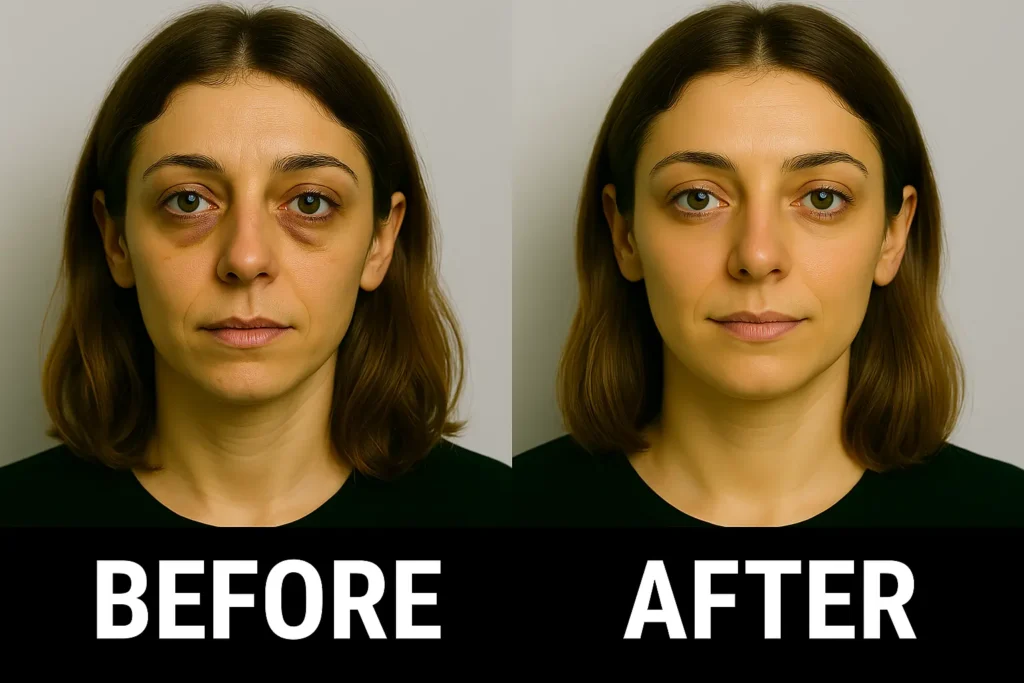
How to Reduce Eye Bags Naturally: Home Remedies That Work in 2026
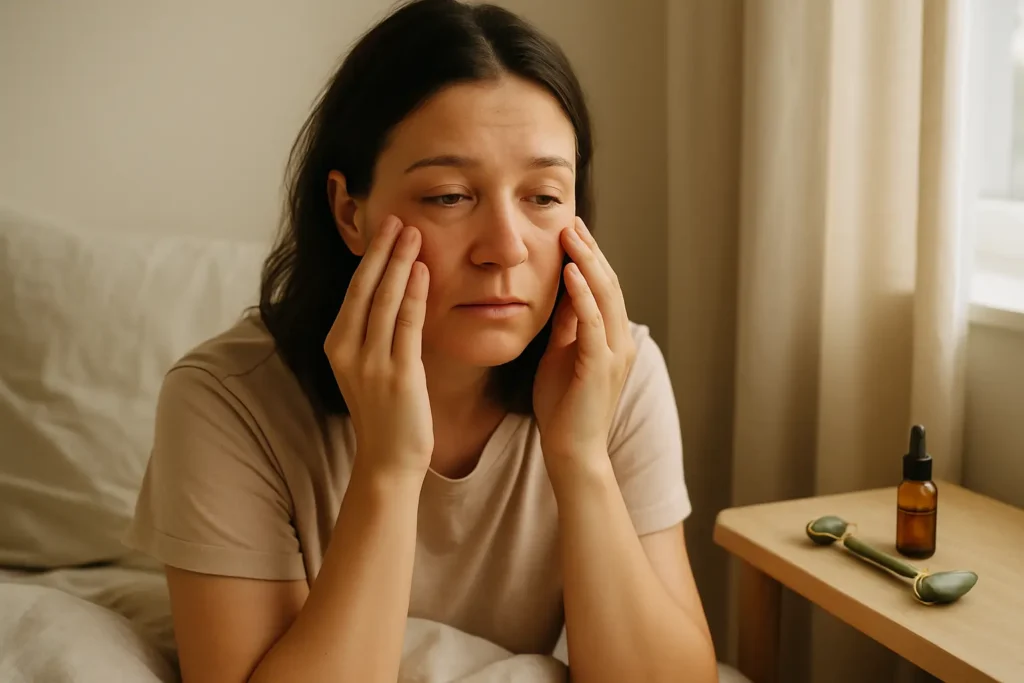
Let’s explore effective, natural methods for treating eye bags that deliver real results!
Understanding Eye Bags: What Causes Eye Puffiness?
Eye puffiness results from multiple factors working together. Hormonal shifts and genetics play significant roles, while your diet and daily habits also contribute substantially.
The leading causes include fluid retention around the eyes, weakened skin-support structures, allergic reactions, and lifestyle stressors such as lack of sleep. Identifying the specific factors causing your eye bags is essential for choosing targeted solutions that effectively eliminate under-eye puffiness.
Let’s first explore what eye bags and eye puffiness actually mean, then we move to the anatomical causes—both familiar and lesser-known—behind those stubborn under-eye bags that can make you look tired, even when you’re fully rested.
The Anatomy & Mechanisms Behind Under-Eye Puffiness
Beneath the delicate under-eye skin lies a complex interplay of fat pads, supporting membranes, and muscles—and even slight changes in any of these structures can lead to noticeable puffiness.
In the following sections, we’ll unpack how infraorbital fat herniation (when fat pads push forward), orbicularis oculi hypertrophy (when eye muscles get thicker), and other anatomical shifts combine to create those stubborn under-eye bags.
What are Eye Bags?
Eye bags are sagging or swelling that appear directly below your eyes when fluid accumulates in the under-eye area. This causes the surrounding tissue to stretch, creating a puffy, baggy appearance.
Eye bags commonly develop with age, but can affect people of any age due to the thin, delicate skin around the eyes.

What is Eye Puffiness?
Eye puffiness is the swelling or enlargement of the under-eye area caused by fluid retention and vascular congestion. The skin around your eyes is thinner than anywhere else on your face, making it more prone to water retention and blood vessel congestion, which can create a puffy appearance.

Infraorbital Fat Herniation and Its Role in Eye Bag Formation
Infraorbital fat herniation occurs when the thin membrane that usually holds the fat pads around your eyes weakens.
This weakness pushes the fat forward, creating that distinctive bulge we recognize as eye bags. Think of it like a small balloon under your skin, slowly losing its support structure!
This anatomical change significantly contributes to the challenges of hollow-eye fixation by creating both a bulge and a depression. The suborbicularis oculi fat (SOOF) shifts position, creating more pronounced shadows that make eye bags more noticeable.
What’s Orbicularis Oculi Hypertrophy?
Orbicularis oculi hypertrophy means the muscle around your eye (orbicularis oculi) becomes larger or thicker than usual. When these circular muscles surrounding your eye socket enlarge, they can push the fat pads forward, creating puffiness.
This often happens as a natural response to aging, but can be accelerated by squinting, chronic inflammation, or even excessive rubbing of the eye area.
Muscle enlargement combined with infraorbital fat herniation creates what doctors call the “double-whammy” effect in eye bag formation, making puffy eyes stubborn to treatment.
What are the Common Causes of Eye Bags?
Eye bags are caused by a combination of factors, including a lack of sleep, excessive salt intake, allergies, hormonal changes, genetics, aging, dehydration, and sleeping position. Some causes are temporary and easily fixed, while others require targeted treatments.
Identifying your specific triggers is crucial for finding practical solutions to reduce under-eye bags naturally.
Let’s explore the most common reasons why your eyes might look more swollen than usual and what you can do about them.
Sleep Deprivation Eye Bags: How Inadequate Rest Affects Your Eyes?
Swollen Eyes After Sleep: Why Morning Eye Puffiness Occurs?
Morning eye puffiness occurs when fluid collects horizontally around your eyes while lying down for extended periods.
Gravity isn’t working to drain away excess fluids during sleep, so they pool around your eye area.
This is why you might wake up with puffy eyelids and bags that weren’t there when you went to bed. The good news is that this type typically fades within an hour of waking, as gravity helps drain the accumulation.
Hormonal Eye Swelling: The Connection Between Hormones and Eye Bags
Women often notice increased under-eye puffiness during menstruation, pregnancy, or menopause due to fluid retention triggered by hormonal shifts.
Thyroid and eye bags are closely connected, as both hypothyroidism and hyperthyroidism can cause water retention around the eye area (as the research confirms). These hormonal fluctuations can make existing eye bags more prominent or create temporary swelling that wasn’t present before the hormonal changes began.
Bags Under Eyes Stress: How Does Stress Contribute to Eye Puffiness?
Stress contributes to eye puffiness by triggering the release of cortisol, the stress hormone. When the body responds to emotional or physical pressure, elevated cortisol levels can cause water retention, including in the delicate eye area, leading to bags under the eyes.
Chronic stress can also disrupt sleep patterns, creating vicious cycles that worsen stress levels and eye bags! When constantly stressed, blood flow to the skin becomes compromised, resulting in darker circles and more pronounced puffiness around your eyes.
Seasonal Allergies Puffy Eyes: Allergic Reactions, and Eye Swelling
Seasonal allergies, puffy eyes happen when your immune system overreacts to harmless substances like pollen, dust, or pet dander.
When allergens trigger an allergic reaction, your body releases histamine, which causes blood vessels to dilate and tissues to swell, particularly in the sensitive eye area.
This allergic response can trigger intense itching that makes you rub your eyes, worsening the swelling. If your eye puffiness worsens during specific seasons, allergies may contribute to chronic eye puffiness issues.
Lesser-Known Causes
Blue Light Eye Defense
Digital screens emit blue light that strains the eyes, causing fatigue and puffiness. Using blue light filters and taking breaks can help prevent screen-related eye bags.
Adrenal Fatigue Eye Bags
Chronic stress taxes the adrenal glands, leading to increased cortisol levels and fluid retention under the eyes. Stress management reduces these hormone-related eye bags.
Dehydration and eye bags
Insufficient water intake makes under-eye skin appear sunken and darker. Proper hydration plumps skin cells, reducing the appearance of eye bags.
Foods that cause eye bags
High-sodium foods, alcohol, and specific allergens trigger fluid retention and inflammation around the eyes. Diet modifications can significantly reduce eye puffiness.
Quick Fixes: How to Reduce Eye Bags Fast?
To reduce under-eye bags quickly, apply cold compresses, use caffeine-based eye creams, gently massage the area, elevate your head when resting, and stay hydrated for immediate results.
Below are detailed methods for effectively addressing eye puffiness caused by sleep deprivation, stress, or seasonal allergies, using proven, rapid-acting techniques.

Cold Therapy Solutions
Cold therapy for the eyes works by constricting blood vessels, reducing fluid retention, and inflammation.
This science-backed approach offers immediate relief for morning eye puffiness.
- Cooling eye masks provide targeted temperature reduction for puffy eyes. Store in refrigerator overnight for maximum depuffing benefits when applied for 10-15 minutes.
- Cold eye rollers combine massage with cooling effects. Roll outwardly under the eyes to stimulate lymphatic drainage and reduce swelling.
- Ice roller eye bag treatment constricts blood vessels instantly. Roll for 30-60 seconds per eye to reduce vascular congestion under the eyes.
- Ice globes for eyes offer professional-grade cold therapy at home. Their ergonomic design reaches all areas around the eyes, perfect for chronic eye puffiness.
- Do cold spoons reduce eye bags? Yes! Refrigerate (not freeze) metal spoons and place the curved side against puffy areas for a quick fix for eye bags.
Natural Compresses
Natural cucumber eye mask delivers immediate soothing relief. Cucumber’s high water content and antioxidants reduce inflammation and hydrate tired-looking eyes.
- Best tea bags for puffy eyes. Apply cooled, used tea bags for 5-10 minutes to benefit from their anti-inflammatory compounds.
- Green tea eye pads contain caffeine and antioxidants that constrict blood vessels and protect skin. They are the perfect remedy for puffy eyelids.
- Herbal eye compress options, such as witch hazel for the eyelids, reduce swelling naturally. Soak cotton pads in cooled herbal tea and apply for 5-10 minutes.
- Chamomile eye compress soothes irritated eye skin while reducing puffiness. Its natural anti-inflammatory properties calm swollen under-eye areas.
Quick DIY Eye Bag Solutions
Looking for fast relief? These DIY eye bag treatments, made with common household ingredients, can work surprisingly well for instant hydration and to reduce inflammation. Here are some quick home treatments you can try right now:
Gentle Under-Eye Massage for Lymphatic Drainage
How to massage away eye bags involves gently stimulating pressure points to encourage lymphatic drainage.
To properly massage under the eyes, use light upward strokes from the inner to the outer corners. This technique helps reduce fluid accumulation and can visibly brighten the eye area.
Cooling Compresses
Applying something cold can quickly reduce swelling by constricting blood vessels. Chilled cucumber slices or cool, damp tea bags (black or green work well) placed over closed eyes are classic methods for combating morning eye puffiness.
Natural Topical Applications
For a simple hydrating and anti-inflammatory treatment, mix 1 teaspoon of aloe vera gel with 1 drop of rosehip oil, then gently apply it under the eyes.
Adjusting Your Sleeping Position
The best sleeping position for eye bags is with your head slightly elevated. Use an extra pillow or a wedge pillow to help prevent fluid from pooling under your eyes during sleep, significantly reducing morning eye puffiness.
Simple Elevation or Yoga
Incorporating yoga for puffy eyes often involves simple inverted poses that can improve circulation and help drain fluid away from the face. Even lying on your back with your feet elevated against a wall can offer similar benefits.
Long-Term Natural Solutions: Daily Eye Care Tips
While quick fixes help for immediate relief, addressing chronic eye puffiness requires consistent daily eye care. These natural eye treatments provide long-term benefits, reducing under-eye bags naturally and supporting overall eye health.

Natural Ingredients For Under-Eye Care
Aloe Vera & Calendula – Soothing & Anti-Inflammatory Agents
Aloe vera and calendula help calm seasonal allergies and reduce puffy eyes, especially in the morning. Their cooling eye masks effectively hydrate skin while easing irritation. Aloe also improves skin elasticity, while calendula enhances wound healing.
Green Tea & Caffeine Solutions – Circulation Boosters
Green tea and caffeine-infused products can help reduce eye puffiness by reducing vascular congestion under the eyes. These antioxidants are suitable for the eyes, shrink blood vessels, and brighten tired-looking eyes. Green tea also fights free radicals while caffeine temporarily tightens skin.
Honey & Rosehip Oil – Natural Hydrators
Honey under-eye treatment and rosehip oil for eyes deliver intense moisture and vitamins. They combat dehydration and eye bags while boosting collagen under the eyes.
Honey has antibacterial properties, and rosehip contains natural retinoid alternatives.
Carrier Oils – Nourishing Botanicals
Grapeseed oil, avocado, and tamanu oil for dark circles provide omega fatty acids that nourish delicate eye skin. These lightweight carriers address sleep-deprived eye bags and hormonal eye swelling. Tamanu specifically reduces undereye discoloration.
Effective Eye Products to Try
Serums & Rollers – Targeted Delivery Systems
Natural eye serums paired with under-eye rollers enhance ingredient absorption while stimulating lymphatic drainage in the eyes. These combinations help reduce hollow eyes and address sagging under-eye skin. Best applied using gentle outward strokes.
Hydrating & Peptide Treatments – Moisture & Structure Support
Hydrating eye masks and peptide-rich eye creams work together to plump and firm the delicate eye area. They discuss how to fix crepey under-eye concerns while improving elasticity. For best results, use masks weekly and peptide creams daily.
Specialized Active Ingredients – Problem-Specific Solutions
Hyaluronic acid eye gel, retinol eye treatment, and licorice root eye cream target specific concerns. Hyaluronic hydrates, retinol firms and renews, while licorice brightens dark circles.
Quick-Application Options – Time-Saving Solutions
Undereye gel patches and gold eye masks deliver concentrated ingredients in just 15-20 minutes. They are perfect as a quick fix for eye bags before special events or as a remedy for puffy eyelids when time is limited.
Advanced Natural Treatments
Pressure Point Techniques – Traditional Approaches
Acupressure points for puffy eyes and how to use gua sha for eyes utilize ancient practices to release tension and improve flow. These methods reduce eye bags at a young age by targeting energy meridians and promoting circulation.
Massage Methods – Manual Drainage
Lymphatic drainage for the eyes and around the eyes uses specific movements to reduce fluid buildup. These techniques address the puffiness in my eyes by manually moving excess fluid from the eye area toward the lymph nodes.
Modern Natural Technologies – Non-Invasive Options
Microcurrent for eye bags and other natural firming techniques uses gentle stimulation to tone muscles. These approaches address ‘how to tighten under-eye skin concerns’ without invasive procedures, perfect for long-term eye health maintenance.
Lifestyle Changes to Combat Eye Bags
Beyond topical treatments, lifestyle adjustments provide powerful ways to reduce under-eye bags naturally. These changes address the root causes of puffy eyes and offer long-term solutions to chronic eye puffiness.
Sleep Improvements
Can Sleep Reduce Eye Bags?
Does Lack of Sleep Cause Eye Puffiness?
Yes, insufficient sleep (sleep deprivation or poor-quality sleep) commonly causes or worsens eye puffiness (periorbital edema) and under-eye bags, primarily through mechanisms involving fluid retention and blood vessel dilation (vasodilation). These changes make the thin periorbital skin appear swollen, dark, or tired.
Effects are often most noticeable upon waking and are typically temporary, but can become habitual with chronic poor sleep.
The Best Pillow for Eye Bags
Dietary Approaches
Hydration & Anti-Inflammatory Foods – Natural Internal Remedies
Best Foods to Reduce Eye Bags
Fruits that contain antioxidants and anti-inflammatory compounds. Cucumber, berries, leafy greens, and fatty fish combat puffy eyes naturally while supporting skin elasticity.
What Foods Reduce Eye Bags?
Does Caffeine Help Eye Bags?
Nutritional Support – Targeted Supplements
Minerals for Eye Health
Minerals like zinc, selenium, and potassium regulate fluid balance. When consumed consistently, these essential nutrients reduce vascular congestion under the eyes.
Best Vitamins for Eye Bags
These vitamins include vitamins K, C, E, and B complex. Vitamin K helps reduce dark circles, while others strengthen capillaries and provide antioxidant protection for the delicate skin around the eyes.
What Are Best Supplements for Eye Bags?
No supplement has been proven to be the absolute “best” or to dramatically eliminate eye bags (periorbital edema or fat herniation), as these often stem from genetics, aging-related fat prolapse, thin skin, fluid retention, or lifestyle factors.
However, collagen peptides, oral hyaluronic acid, and MSM (methylsulfonylmethane) have moderate clinical backing for improving overall skin quality—hydration, elasticity, dermal density, and wrinkle reduction—which can modestly enhance the appearance of the under-eye area by making skin thicker, plumper, and more resilient.
Effects are systemic (not localized to eyes), gradual (4–12+ weeks), and best as adjuncts to sleep, diet, topicals, or procedures.
Exercise and Movement
Targeted Facial Workouts – Muscle Toning Techniques
Best exercises for eye bags
The best exercises for eye bags involve gentle contractions of the orbicularis oculi muscle. To strengthen the muscles supporting eye structure, practice “eye yoga” with controlled blinking, squinting, and wide-eyed expressions.
Facial massage for puffiness
Facial massage uses upward strokes to encourage lymphatic drainage around the eyes. Regular massage helps reduce puffy concerns around the eyes by eliminating trapped fluid.
Daily eye care tips
Daily eye care tips include taking digital breaks every 20 minutes, staying properly hydrated, and using gentle cleansing products. These simple habits help prevent tired-looking eyes and reduce eye strain, which can contribute to puffiness.
Professional Solutions Worth Considering For Chronic Eye Puffiness
When natural remedies fail to provide sufficient relief for chronic eye puffiness, professional treatments offer more effective solutions.
These options range from non-invasive therapies to surgical interventions for under-eye sagging skin.
Non-Invasive Treatments
Regenerative Therapies – Stimulating Natural Healing
PRP undereye treatment uses your blood’s growth factors to rejuvenate the tissues in the eye area. This procedure reduces hollow eyes and stimulates collagen boost under the eyes, improving skin texture and thickness.
Carboxytherapy for the eyes infuses carbon dioxide beneath the skin to increase oxygen flow. This treatment reduces vascular congestion under the eyes and improves circulation to dark, puffy undereye areas.
Mesotherapy for the under eyes delivers customized vitamin cocktails via micro-injections. These nutrients target dehydration and eye bags while improving skin density and reducing fine lines.
Fractional laser for eye bags creates controlled micro-injuries to stimulate collagen. This technology addresses ‘how to tighten undereye skin concerns’ with minimal downtime and progressive improvement.
Minimally-Invasive Options
Advanced Filler & Laser Solutions – Structural Improvements
Belotero for tear troughs uses specialized hyaluronic acid to fill hollow contours. This precise filler addresses eye bags at a young age by restoring support beneath thin skin.
Nanofat grafting under the eyes transfers processed fat cells rich in stem cells. This procedure provides long-term correction for under-eye sagging skin while improving skin texture and color.
CO2 laser lower blepharoplasty tightens skin and vaporizes excess fat without incisions. This technique addresses how to fix crepey under eyes while stimulating collagen production for lasting results.
Surgical Considerations
Surgical Interventions – Permanent Structural Solutions
Transconjunctival fat repositioning accesses fatty tissue through the inner eyelid. This technique corrects infraorbital fat herniation without visible scarring, permanently addressing the cause of my puffy eyes.
Arcus marginalis release strengthens the orbital septum, which supports eye structures. This specialized procedure corrects deep tear troughs caused by orbicularis oculi hypertrophy and the natural aging process.
Lower lid retraction repair surgically repositions the tissues that have descended in the eyelid. This comprehensive approach addresses severe bags under the eyes caused by suborbicularis oculi fat (SOOF) displacement.
Product Reviews and Recommendations
With countless products promising to reduce under-eye bags naturally, choosing the right option is even harder these days.
Based on research and user experiences, here are the most effective solutions across various price points.
Best Natural Products for Eye Health in 2026
Advanced Formulations – Science-Backed Natural Ingredients
Eye firming cream reviews show peptide-rich formulas with plant stem cells lead the market. Products containing active botanicals and clinically-proven ingredients deliver visible results for under eye sagging skin.
Retinol for eye puffiness works gradually but effectively. Top natural products use encapsulated retinol with buffering ingredients to reduce irritation while addressing chronic eye puffiness and fine lines.
Caffeine vs retinol eye cream. Its effectiveness depends on your concerns. Caffeine provides immediate but temporary depuffing for morning eye puffiness, while retinol offers long-term structural improvements for tired-looking eyes.
Probiotic eye cream represents the biggest skincare innovation of 2026. These formulations balance the eye area’s microbiome, strengthen the skin barrier, and reduce hormonal eye swelling and sensitivity.
Copper peptide eye serums effectively stimulate collagen production, increase dermal density, and improve skin firmness and elasticity in the delicate under-eye area.
Multiple clinical studies show a significant reduction in periorbital wrinkles and enhanced skin thickness after 8–12 weeks of twice-daily use. These formulations are gentle, low-irritation, and particularly well-suited for sensitive skin.
Specialized Solutions
Targeted Treatments – Problem-Specific Formulations
An eye patch for tired eyes delivers concentrated ingredients via hydrogel technology. These quick-fix solutions reduce puffy eyes caused by sleep deprivation and eye bags within 15-20 minutes.
A depuffing eye mask with cooling properties helps reduce swelling caused by vascular congestion in the eye area. Intensive gel formulations with caffeine and peptides provide immediate relief for special occasions.
Eye cream for morning puffiness contains lymphatic-stimulating ingredients that activate with application. These specialized formulas address why my eyes are puffy, specifically after waking.
Antioxidant eye serum protects delicate eye skin from environmental damage. Formulations containing vitamins C and E, as well as botanical extracts, help prevent free radical damage, which can accelerate under-eye sagging skin.
Retinoid under-eye cream offers prescription-strength results without irritation. Professional formulations balance potent retinoids with soothing ingredients to address crepey under-eye concerns.
Budget-Friendly Options
Affordable Solutions – Cost-Effective Alternatives
Natural treatments for the eyes using kitchen ingredients rival expensive products. Cucumber for swollen eyes, green tea for eye puffiness, and honey for under-eye treatment provide effective results at an affordable price.
Herbal remedies for the eyes, such as chamomile eye compresses and witch hazel for the eyelids, can reduce inflammation inexpensively. These botanical solutions address seasonal allergies and puffy eyes without synthetic ingredients.
Soothing irritated eye skin requires simple, minimal formulations. Fragrance-free aloe vera eye gel and calendula-infused oils calm sensitivity and reduce redness around delicate eye areas.
Carrier oils for the eyes provide affordable nourishment for under-eye concerns. Rosehip oil, grapeseed oil under the eyes, and avocado oil for eye bags deliver vitamins and fatty acids at a fraction of cream prices.
Conclusion
Throughout this guide, we’ve explored various natural approaches to improving and maintaining eye health.
Let’s review the key points:
- Eye health is influenced by nutrition, lifestyle, exercise, and environmental factors
- Proper hydration, balanced nutrition, and adequate rest are foundational to eye wellness
- Specific exercises like palming, focusing techniques, and eye movement routines can help strengthen eye muscles
- Reducing digital screen time and using proper lighting can decrease eye strain
- Natural supplements like omega-3s, lutein, and zeaxanthin can support eye health
While these natural approaches offer promising benefits, we encourage you to try them as complements, not replacements, for regular professional eye care. Start with simple daily changes before considering more intensive interventions.
Remember that consistency is the true key to success with any health practice. Even small daily habits, when maintained over time, can lead to significant improvements in your eye health and vision. Set realistic goals and gradually incorporate these practices into your eye care routine.
As we look toward the future, maintaining eye health becomes increasingly important in our digitally-dominated world. By adopting these natural approaches now, you’re investing in your long-term vision health and potentially reducing your risk of age-related eye conditions.
Your eyes are irreplaceable windows to the world—they deserve the best care possible, starting today.
FAQs: How To Reduce Eye Bags Naturally
How To Reduce Eye Bags Fast?
Reduce eye bags fast by applying chilled cucumber slices or tea bags for 10–15 minutes while keeping your head elevated to drain fluid. Use cold spoons or caffeine eye cream to constrict blood vessels. Gentle lymphatic massage helps. Combine with hydration and adequate sleep for a rapid reduction in puffiness and a brighter under-eye area.
What Is The Best Home Remedy For Eye Bags?
Chilled green tea bags are the best home remedy for eye bags. They combine cooling with caffeine and antioxidants to reduce puffiness and simultaneously brighten the area. Apply for 10 minutes daily. This natural method constricts blood vessels, reduces inflammation, and provides quick visible improvement without chemicals.
Can Dehydration Cause Eye Bags?
Yes, dehydration causes eye bags by making skin appear sunken and darker as the body conserves fluid. It reduces skin elasticity, highlighting hollows and shadows. Proper hydration plumps the skin, minimizing the appearance of bags. Drink water consistently and use hydrating eye products to counteract this effect effectively.
Does Ice Reduce Eye Puffiness?
Yes, ice reduces eye puffiness by constricting blood vessels and decreasing fluid accumulation under the eyes. Wrap ice cubes in a soft cloth and apply for 5–10 minutes. This cold therapy soothes inflammation and provides immediate depuffing. Use daily in the morning for best results on tired or swollen eyes.
How To Use Cucumber For Eye Bags?
Refrigerate cucumber slices for 30 minutes, then place over closed eyes for 10–15 minutes while relaxing with your head elevated. The high water content hydrates and cools, naturally reducing swelling. Use daily for consistent relief. Combine with gentle massage for enhanced lymphatic drainage and brighter under-eye appearance.
What Is The Best Treatment For Eye Bags?
The best treatment combines immediate remedies, such as cold therapy and caffeine creams, with long-term skincare, such as retinol and peptides. Address lifestyle factors such as sleep position, hydration, and diet. For severe cases, consult a dermatologist for fillers or laser treatments. Consistent care yields the most lasting results.
What Is The Main Cause Of Bags Under Eyes?
The main causes of bags under the eyes are fluid retention, age-related weakening of the fat pads, and genetics. Lack of sleep, allergies, and high salt intake worsen it. Collagen loss makes skin thinner, highlighting shadows. Addressing these factors through hydration, sleep, and skincare effectively prevents and reduces the appearance of under-eye bags.
What Can I Drink To Reduce Eye Bags?
Drink plenty of water to stay hydrated and reduce fluid retention that causes eye bags. Green tea, with its caffeine and antioxidants, helps constrict blood vessels and decrease puffiness. Cucumber water provides natural hydration and cooling effects. Avoid excess salt and alcohol, as they can contribute to swelling around the eyes.

About Subhan Usafzai
Evidence-Based Skincare Educator & Formulation Specialist
I'm Subhan Usafzai (Fazli Subhan), an Evidence-Based Skincare Educator and Formulation Specialist. My background includes first-hand experience as a technician and research support in skin departments across tertiary military hospitals since 2006, and since 2008 I've focused on researching and translating clinical and formulation science into practical, evidence-based guidance. My formal training includes Coursera's Introduction to Cosmetic and Skincare Science and the four-course Introduction to Cosmetic Science and Ingredients specialization (Cosmetic Formulation Science, Cosmetic Product Development, and Quality Control and Regulatory in Cosmetic Science), authorized by Olay. Every article I write is checked against current research and reviewed by our medical team before publishing.
✅ Medically reviewed by Dr. Muhammad Khurram Ahmad, MD, Board-Certified Dermatologist · 📅 Last updated: January 2026
Medical Disclaimer
For Educational Purposes Only: This article is written by Subhan Usafzai, an Evidence-Based Skincare Educator and Formulation Specialist, for educational and informational purposes only. The information draws on scientific research, peer-reviewed studies, and dermatological literature available as of January 2026.
Not Medical Advice: This content does not constitute medical advice, diagnosis, or treatment. It is not a substitute for consultation with a qualified healthcare professional or dermatologist.
Individual Results May Vary: Skin conditions and responses to skincare products vary according to individual characteristics, skin type, hormonal factors, and environmental exposure.
Consult Your Healthcare Provider: Seek professional guidance before changing your skincare regimen, particularly during pregnancy or breastfeeding, or if you have a diagnosed skin condition, take medication, have sensitive skin, or receive dermatological treatment.
Product Safety: Consider patch testing new products. Discontinue use if irritation or an adverse reaction occurs, and seek medical advice when needed.
Affiliate Disclosure
Amazon Associates Disclosure: As an Amazon Associate I earn from qualifying purchases.
Editorial Independence: Affiliate relationships do not determine our product reviews or recommendations. We aim to provide balanced, research-informed information to help readers make informed skincare choices.
Supporting Glow Guide Hub: Qualifying purchases through affiliate links may earn us a commission at no additional cost to you.