

The Ultimate Anti-Aging Skincare Guide in 2026: Science-Backed Solutions
Ever noticed a fine line in the mirror and thought, “Wait, is that new ?” You’re not alone—and this guide is here to help. The Ultimate Anti-Aging Skincare Guide cuts through the hype to give you real, science-backed results.
Aging isn’t just about time—it’s about sun, stress, and pollution doing silent damage. But here’s the truth: you can fight back. With 18 years in skincare, I’ve seen breakthroughs like peptides that boost collagen and retinoids that smooth skin. This isn’t guesswork; it’s your roadmap to glowing, healthy skin.
80% of aging is driven by your environment, not genetics. That means small, consistent choices are enormous. Whether you’re in your 20s (building a routine) or 40s (targeting deeper lines), GlowGuidHub breaks down what works: antioxidants for defense, hyaluronic acid for plumpness, and 2026’s game-changing tech.
There is no need for pricey gimmicks. This guide focuses on proven anti-aging ingredients and routines that fit your life and budget.
Let’s ditch the fluff and dive into the real science of staying radiant.
(P.S. Consistency beats fancy products every time. Stay tuned to learn how.)
Understanding Skin Aging: More Than Just Wrinkles
My clients often ask me, When does skin aging start?
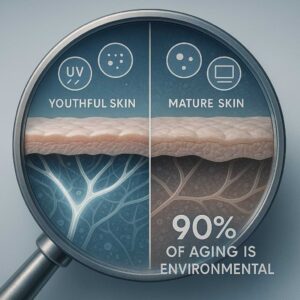
Most of them are shocked when I explain that skin aging starts quietly in your mid- to late 20s. Around age 25, your body produces less collagen—about 1% less each year. You might not notice fine lines immediately, but these early changes can lead to thinner, less firm skin if left unchecked.
Understanding the early signs of aging can help us prevent premature wrinkles and maintain youthful skin longer through proper skin care and protection.
The latest research shows that factors such as UV exposure, pollution, and lifestyle choices account for up to 80% of visible signs of skin aging (Skin Cancer Foundation).
What are the Common Signs of Aging Skin?
Common signs of aging skin include fine lines, wrinkles, sagging, and uneven tone, often first seen around the eyes and mouth. These result from decreased collagen and elastin production. Sun exposure and blue light can accelerate visible aging by up to 80%. Targeted anti-aging skincare can help protect and support skin structure at deeper levels.
Fine lines and deep wrinkles
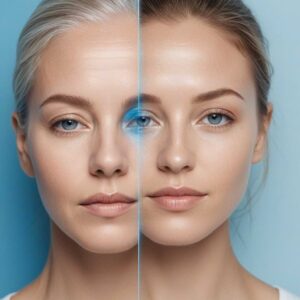
Expression wrinkles and fine lines, particularly on the forehead and around the eyes (crow’s feet), are among the earliest signs of aging that dermatologists now treat with preventative measures.
Studies show that retinoids and peptides can reduce the appearance of fine lines by up to 40% within 12 weeks of consistent use.
Advanced skincare technology in 2026 will allow targeted treatment of dynamic and static wrinkles through combination therapy.
Loss of elasticity and firmness
Decreased collagen production leads to sagging skin and loss of facial contours. Studies have shown a significant drop in skin firmness starting around age 30.
Clinical research indicates that incorporating ingredients like peptides and growth factors can boost collagen production by up to 30% in mature skin.
The latest skin-tightening treatments combine radiofrequency technology with collagen-stimulating ingredients for maximum firmness restoration.
Uneven skin tone and dull complexion
Cellular turnover slows dramatically with age, leading to the accumulation of dead skin cells and a lackluster appearance, affecting over 70% of adults over 40.
According to recent clinical studies, advanced exfoliation techniques combined with brightening ingredients like vitamin C and niacinamide can improve skin radiance by up to 60%.
Regular use of AHAs and BHAs helps maintain optimal cell turnover, resulting in a more youthful, glowing complexion.
Dry, rough skin texture
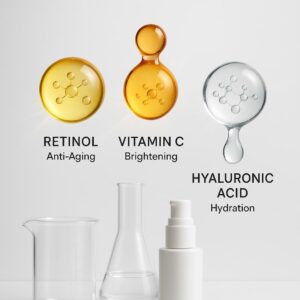
Age-related decrease in natural moisturizing factors (NMFs) and hyaluronic acid leads to increased transepidermal water loss and compromised skin barrier function.
New-generation humectants and ceramide-based moisturizers can increase skin hydration levels by up to 85% within 24 hours of application.
Clinical data show that multi-layered moisturizing approaches maintain optimal skin hydration for 72 hours.
Age spots and hyperpigmentation
UV-induced melanin production creates dark spots and uneven pigmentation, affecting over 80% of adults aged 50 and older.
Innovative brightening ingredients like tranexamic acid and alpha-arbutin can deliver up to a 50% reduction in hyperpigmentation within 8 weeks of regular use.
Combining targeted spot treatments with broad-spectrum sun protection prevents further pigmentation and supports overall skin health.
The Science of Anti-Aging: Key Ingredients for Youthful Skin
Anti-aging skincare products harness the power of scientifically proven active ingredients to combat multiple signs of aging.
Let’s dive into the most effective components of a potent anti-aging routine.
1. Retinol and Retinoids: The Gold Standard in Anti-Aging
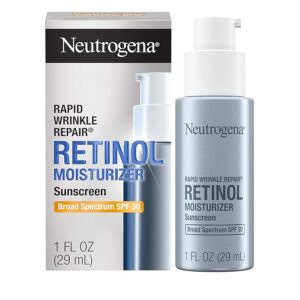
Retinol is the superhero ingredient everyone’s talking about in skincare! Although many think it’s just for aging skin, when used correctly, retinol can be a game-changer for acne-prone teens—just be sure to start slow and gently.
Remember to use retinol only at night and always follow up with sunscreen in the morning, as it makes your skin more sensitive to the sun!
Smooths fine lines and wrinkles
Retinol helps speed up cell turnover, making skin look fresher and smoother. Many teens don’t realize that preventing early signs of aging starts in their teens!
Even out skin tone
If you struggle with post-acne marks, retinol is your new best friend! It helps fade dark spots and even skin tone faster than other ingredients.
Improves skin texture and firmness
Using retinol regularly makes your skin feel smoother and look more refined. The key is patience—results take time, but they are worth waiting for!
It helps clear acne and prevent breakouts.
Retinol unclogs pores and regulates oil production, helping prevent future breakouts. It also works exceptionally well with other acne-fighting ingredients, such as salicylic acid!
2. Vitamin C: Brightening and Protecting

Vitamin C brightens the skin and helps protect it from environmental damage. This powerful antioxidant is perfect for teenagers struggling with post-acne marks and uneven skin tone.
When choosing a Vitamin C product, look for L-ascorbic acid in the ingredient list and start with a lower concentration, around 10%, to avoid irritation.
To maximize your results, learn more about how Vitamin C plays a vital role in achieving a radiant skin glow here.
Brightens and Evens Skin Tone
Vitamin C helps inhibit melanin production, which leads to a more uniform skin tone. Its brightening properties work gradually to reveal a more radiant and balanced complexion.
Protects Against Environmental Damage
When applied in the morning, Vitamin C protects against free radicals and UV damage. These powerful ingredients also help neutralize oxidative stress, a factor that causes premature skin aging.
Boosts Collagen Production
Vitamin C’s collagen-boosting properties help improve skin elasticity and firmness. Regular use has been shown to stimulate natural collagen synthesis, leading to plumper, more youthful-looking skin.
Reduces the Appearance of Dark Spots
Vitamin C’s ability to fade hyperpigmentation effectively treats stubborn dark spots. Its gentle yet practical approach to spot treatment shows visible results when used consistently.
3. Peptides: The Building Blocks of Youthful Skin

Peptides are short chains of amino acids that stimulate collagen production, improving skin firmness and reducing the appearance of fine lines and wrinkles.
These tiny protein fragments are messenger molecules that signal your skin to produce more collagen and elastin.
Studies have shown that different peptides target specific skin concerns, from firming sagging skin to reducing the depth of expression lines.
When used consistently in skin care products, peptides help restore the skin’s youthful bounce while supporting natural repair mechanisms.
4. Hyaluronic Acid: The Hydration Hero

Hyaluronic acid attracts and retains moisture, plumping fine lines and wrinkles for a youthful appearance. This naturally occurring molecule can hold up to 1000 times its weight in water, making it a powerhouse ingredient for skin hydration.
When applied topically, it efficiently draws moisture from the environment into the skin’s different layers, creating a plumping effect that visibly reduces fine lines.
Hyaluronic acid is more effective when combined with another moisturizing ingredient, which helps lock in hydration for longer-lasting results.
5. Niacinamide: The Multi-Tasking Wonder
Niacinamide, also known as Vitamin B3, offers multiple anti-aging benefits, including strengthening the skin barrier and evening out skin tone.
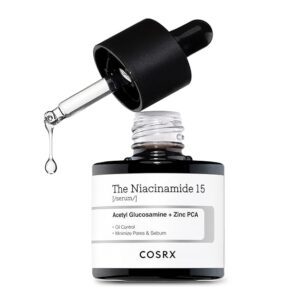
This powerful ingredient also helps regulate sebum production, making it particularly effective for oily or combination skin types.
Research has shown that niacinamide can reduce the appearance of enlarged pores and improve skin texture when used consistently in concentrations between 2% and 5%.
Additionally, its anti-inflammatory properties make it an excellent choice for those dealing with acne or redness, as it helps calm irritated skin while supporting the natural production of ceramides.
What is the Best Anti-Aging Routine?
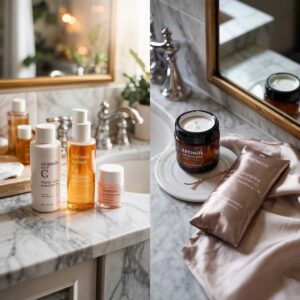
The best anti-aging routine combines the right products with the right timing. Mornings should focus on protection—using antioxidants and SPF—while evenings target repair with retinoids and hydrating treatments. Weekly exfoliation and masks enhance results.
Aligning your skincare with your skin’s natural rhythms helps maintain firmness, reduce wrinkles, and support long-term skin health and radiance.
Let’s explore the specifics of creating a routine that meets your skin’s daily and weekly needs.
Morning Skincare Sequence
Every effective anti-aging morning routine should start with gentle cleansing to remove overnight buildup. After cleansing, layer your products from thinnest to thickest.
Begin with an anti-oxidant serum (preferably vitamin C) to fight free radicals, followed by a hydrating toner that balances your skin’s pH.
Next, apply your peptide-rich moisturizer to lock in hydration. Always finish with broad-spectrum SPF – this step is non-negotiable for preventing premature aging.
Remember: your morning routine is all about protection against environmental stressors.
Evening Skincare Steps
Your nighttime routine is when the real anti-aging magic happens. Start with a double cleanse with an oil-based cleanser to remove makeup and sunscreen, then a gentle water-based cleanser to clean the skin.
This is when you should introduce active ingredients like retinol, which helps with cell turnover and collagen production.
After applying your active ingredient, wait a few minutes before layering on a rich, nourishing moisturizer. The skin’s repair mechanisms are active at night, so don’t skimp on this routine.
Weekly Treatments and Masks
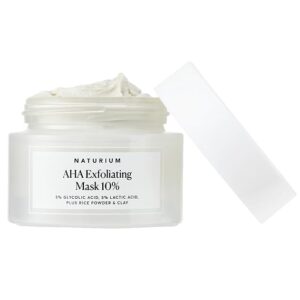
Incorporating weekly treatments into your routine can supercharge your anti-aging results. For example, use a gentle exfoliating mask twice a week to remove dead skin cells that can make your skin look dull.
Chemical exfoliants like AHA or BHA are more effective than physical scrubs. For extra hydration, sheet masks containing hyaluronic acid and peptides can be used two to three times weekly.
Don’t forget about eye masks – the delicate eye area needs special attention and targeted treatments.
Adjusting Routines by Age Group
Your skincare needs change as you age, and your routine should evolve accordingly. In your 20s, focus on prevention and protection with antioxidants and SPF.
Introduce more targeted treatments, such as retinol and peptides, as you reach your 30s. By your 40s, you might need to add richer moisturizers and more frequent exfoliation.
The key is to listen to your skin and adjust your routine based on how it responds to different products and treatments.
Product Layering Techniques
The order in which you apply your skincare products can make or break their effectiveness. Always start with water-based products and gradually move to oil-based ones.
Wait approximately 30 seconds between each layer to allow proper absorption. If you’re using multiple serums, apply them from thinnest to thickest consistency.
Some ingredients, like vitamin C and niacinamide, shouldn’t be used together as they can cancel each other out. Pay attention to how your products interact with each other.
Advanced Anti-Aging Treatments: Beyond Daily Skincare
For more dramatic anti-aging effects, consider these advanced treatments:
Chemical Peels
Chemical peels use a solution to remove the outer layer of skin, promoting cell turnover and revealing fresher, younger-looking skin beneath. They can address various concerns, including fine lines, uneven skin tone, and mild scarring.
The intensity of peels can range from superficial to deep, with deeper peels providing more dramatic results but requiring longer recovery times.
Microneedling
Microneedling involves creating tiny punctures in the skin with fine needles, triggering the skin’s natural healing process and boosting collagen and elastin production.
This treatment can improve skin texture, reduce fine lines and wrinkles, and even help with acne scarring. Microneedling is often combined with serums or platelet-rich plasma (PRP) applications for enhanced results.
Laser Treatments
Laser treatments use focused light energy to target skin concerns such as wrinkles, pigmentation, or vascular issues. Different lasers can address skin problems, from surface-level concerns to more profound tissue remodeling.
While some laser treatments require downtime, others are non-ablative and allow for quicker recovery, making them suitable for those with busy lifestyles.
Dermal Fillers
Dermal fillers are injectable treatments that restore volume, smooth out deep wrinkles, and enhance facial contours.
Typical filler materials include hyaluronic acid, calcium hydroxylapatite, and poly-L-lactic acid, each with unique properties suited to different facial areas.
Results are immediate and can last from several months to over a year, depending on the type of filler used and the area treated.
Always consult a board-certified dermatologist before starting any advanced treatments.
Lifestyle Factors: The Ultimate Anti-Aging Skincare Guide to Healthy, Youthful Skin in 2026
While skincare products are crucial, lifestyle factors play an equally important role in maintaining youthful skin:
Sun Protection
Protecting your skin from harmful UV rays is the most effective anti-aging strategy. Always wear a broad-spectrum SPF 30+ sunscreen, even on cloudy days, and reapply every two hours when outdoors.
Supplement sunscreen with protective clothing and wide-brimmed hats, and seek shade during peak sun hours.
Healthy Diet
A nutrient-rich diet is essential for maintaining healthy, youthful skin from the inside out. Focus on consuming plenty of antioxidant-rich fruits and vegetables, omega-3 fatty acids from sources like fish and nuts, and staying well-hydrated.
Consider incorporating foods rich in vitamins C and E, as well as those with collagen-boosting properties.
Adequate Sleep
Quality sleep is crucial for skin repair and regeneration for both men and women. Aim for 7-9 hours of sleep per night to allow your body time to produce collagen, repair DNA damage, and reduce inflammation.
Establish a consistent sleep routine and consider using a silk pillowcase to minimize friction on your skin.
Stress Management
Chronic stress can accelerate skin aging by increasing inflammation and breaking down collagen. To reduce stress, you can incorporate meditation, deep breathing exercises, or yoga into your daily routine.
Regular self-care practices can help manage stress levels and promote overall skin health.
Regular Exercise
Physical activity promotes healthy, glowing skin by improving circulation and oxygenating skin cells. Aim for at least 30 minutes of moderate exercise most days of the week. Remember to cleanse your skin after workouts to remove sweat and bacteria, and to apply sunscreen before outdoor activities.
Tailoring Your Ultimate Anti-Aging Skincare Guide
Remember that everyone’s skin is unique. Consider these factors when customizing your anti-aging routine:
Skin Type
Understanding your skin type is crucial for selecting the most effective anti-aging products and treatments.
Oily skin may benefit from lighter, non-comedogenic formulas and more frequent exfoliation, while dry skin requires richer, more hydrating products.
Combination skin might need different products for different areas of the face, and sensitive skin calls for gentle, fragrance-free options with soothing ingredients.
Specific Concerns
Addressing individual skin concerns alongside anti-aging efforts can lead to better overall results. For acne-prone skin, look for non-comedogenic anti-aging products and consider incorporating salicylic acid or benzoyl peroxide.
In addition to their anti-aging routine, those with hyperpigmentation might benefit from brightening ingredients like vitamin C, kojic acid, or niacinamide.
Introduce active ingredients slowly for sensitive skin, and opt for products specifically formulated to minimize irritation.
Age
As you age, your skin’s needs change, requiring adjustments to your anti-aging routine. In your 20s and 30s, focus on prevention with antioxidants and sunscreen.
As you enter your 40s and 50s, incorporate more intensive treatments, such as retinoids and peptides, to address fine lines and loss of firmness.
For mature skin in the 60s and beyond, prioritize intense hydration and treatments that address deeper wrinkles and age spots while being mindful of increased skin sensitivity.
Conclusion: Embracing Your Journey to Ageless Beauty
The path to younger-looking skin is a journey, not a destination. By understanding the science of skin aging, harnessing effective skincare ingredients, and adopting healthy habits, you can achieve and maintain a radiant, youthful complexion at any age.
Remember, consistency is key in anti-aging skincare. Be patient with your skin, and give new products or treatments time to show results. With the right approach, you can reduce visible signs of aging and enjoy healthy, glowing skin for years.
Start your anti-aging journey today and embrace the beauty of healthy, youthful skin!
FAQs: The Ultimate Anti-Aging Skincare Guide
Q: When Should I Start Using Anti-Aging Products?
Start using anti-aging products in your mid-20s, as this is when collagen production naturally begins to slow. The best early steps are daily sunscreen, antioxidants (like vitamin C), and a gentle retinoid if your skin tolerates it. Starting young isn’t about “fixing wrinkles”—it’s about preventing premature damage, supporting collagen, and keeping your skin strong, smooth, and healthy long-term.
Q: How Long Does it take to See Results from Anti-Aging Products?
Most people see early improvements in 4–6 weeks, such as smoother texture, brighter tone, and better hydration. Bigger changes—like firmer skin and fewer visible wrinkles—usually take 3–6 months because collagen rebuilding happens slowly. The key is consistent use, not switching products too quickly, and giving your skin time to adapt and improve.
Q: Can I Use Multiple Anti-Aging Products Together?
Yes, you can use multiple anti-aging products together, but the secret is smart layering and balance. A safe, dermatologist-style routine is vitamin C in the morning for antioxidant protection and retinol at night for collagen support. Add new actives one at a time, avoid stacking too many strong ingredients on the same day, and always support your routine with moisturizer + SPF to prevent irritation.
Q: Is Sunscreen That Important for Anti-Aging?
Yes—sunscreen is the most important anti-aging product you can use. UV rays break down collagen, trigger dark spots, and speed up fine lines faster than almost anything else. A broad-spectrum SPF 30+ every single day helps protect your skin’s structure, maintain an even tone, and prevent the visible aging caused by sun damage. If you only commit to one anti-aging step, make it SPF.
Q: Are Natural Anti-Aging Remedies Effective?
Natural remedies can support your skin, but results depend on the ingredient and your expectations. Ingredients like aloe vera, green tea, rosehip oil, and honey can help calm inflammation and improve hydration, making skin look fresher.
However, clinical skincare ingredients like retinoids, vitamin C, peptides, and niacinamide often deliver faster, more reliable results because they’re backed by stronger research and more targeted formulas. The best approach is combining both—natural support plus proven actives.
What Is The Ultimate Anti-Aging Routine?
The ultimate anti-aging routine is a consistent, skin-barrier-friendly plan that focuses on prevention, collagen support, hydration, and protection. A simple version includes gentle cleansing, antioxidant protection in the morning, retinoids at night, moisturizing daily, and sunscreen without exception. It works best when paired with lifestyle habits like good sleep, a nutrient-rich diet, stress control, and avoiding smoking, because aging isn’t only skin-deep—it’s influenced by your overall health too.
What’s The Best Anti-Aging Skincare Guide?
The best anti-aging skincare guide is one that’s easy to follow, consistent, and built around proven ingredients, not trends. It should include daily SPF, targeted actives such as vitamin C and retinoids, hydration boosters like hyaluronic acid, and barrier support ingredients such as ceramides.
The “best” guide is also flexible—because your routine should match your skin type, sensitivity level, and age, while staying focused on long-term results rather than overnight changes.
What’s The Best Anti-Aging Skincare Guide For 40s?
In your 40s, the best anti-aging skincare guide focuses on firmness, uneven tone, deeper hydration, and collagen support, because the skin naturally becomes drier and slower to repair. A strong routine includes SPF daily, a morning antioxidant like vitamin C, and nighttime treatments like retinol/retinal or peptides, depending on sensitivity. Adding ceramides, richer moisturizers, and gentle exfoliation (1–2 times weekly) helps maintain smooth texture, strengthen the skin barrier, and keep your complexion youthful and resilient.

About Subhan Usafzai
Skincare Writer, Researcher & Formulation Specialist
Welcome to my skincare blog! I'm Subhan Usafzai, a passionate skincare enthusiast with over 18 years of experience exploring and learning about all things skin. Join me as I share my tried-and-true tips, product insights, and skincare wisdom.
✅ Medically reviewed by Dr. KhurramKhan, MD, Board-Certified Dermatologist · 📅 Last updated: January 2026
📋 Medical Disclaimer
For Educational Purposes Only: This article is written by Subhan Usafzai, a Medical Writer and Researcher, and is intended for informational and educational purposes only. The content provided is based on scientific research, peer-reviewed studies, and dermatological literature available as of December 2025.
Not Medical Advice: The information in this article does not constitute medical advice, diagnosis, or treatment recommendations. It should not be used as a substitute for professional medical consultation, diagnosis, or treatment from a board-certified dermatologist or qualified healthcare provider.
Individual Results May Vary: Skin conditions, including hyperpigmentation, melasma, and UV-induced pigmentation, vary significantly between individuals based on genetics, skin type, hormonal factors, and environmental exposure.
Consult Your Healthcare Provider: Before starting any new skincare regimen, especially if you are pregnant, breastfeeding, have diagnosed skin conditions, are taking medications, have sensitive skin, or are undergoing dermatological treatments.
Product Safety: Always perform a patch test before using new skincare products. Discontinue use and consult a healthcare professional if you experience irritation or adverse reactions.