
How To Prevent Wrinkles In Your 20s: 7 Dermatologist-Approved Strategies That Actually Work In 2026
Last week, a 22-year-old patient walked into my clinic and said something that stopped me in my tracks: “Doctor, I’m already seeing fine lines around my eyes. Am I too late to prevent aging?”
After 18 years in medicine and specialized training in cosmetic science, I hear this question more times than I can count. But here’s what struck me — she wasn’t too late. She was actually perfectly on time.
Your twenties aren’t just about building your career and figuring out adulthood; they’re also about discovering who you are. They’re also the most critical decade for your skin’s future. Think of it this way: every day you invest in prevention now is like compound interest for your face. The returns? Well, let’s say your 40-year-old self will be sending thank-you notes.
Why Your 20s Are the Golden Age for Prevention
Here’s something that might surprise you: collagen production starts declining around age 25. Not 35, not 40 — twenty-five. The Dermatology Review confirms that “you start to lose collagen at a rate of one percent per year starting in your 20s”. However, here’s the empowering part — experts are unanimous that this is precisely when prevention works most effectively.
As Dr. Debra Jaliman, a board-certified dermatologist in New York, puts it: “You can start in your early 20s.” And she’s not alone in this thinking. Your skin in your twenties is still incredibly resilient — like having a sports car that’s barely broken in. The engine responds well to maintenance, repairs are quick, and preventive strategies work almost effortlessly.
I remember working with Sarah, a 24-year-old marketing executive who came to me concerned about preventing premature aging. She’d watched her mother struggle with deep wrinkles and wanted a different story for herself. We started her on a simple anti-aging routine for her 20s, and three years later, her skin looks better than when we began.
The secret? Starting early with the right approach.
The Real Timeline of Skin Aging
Board-certified dermatologist Dr. Rebecca Baxt emphasizes that “the best way to address your concerns is to use a skin care product that contains science-backed ingredients,” The American Academy of Dermatology notes that visible signs of aging typically begin appearing in our late twenties to early thirties, but the underlying processes start much earlier. Your skin cells are already slowing their renewal process, and environmental damage is accumulating like invisible deposits in a savings account you don’t want.
Here’s where expert consensus becomes crystal clear: prevention always takes precedence over correction. Dr. Baxt recommends explicitly vitamin C serums for addressing dark spots and environmental damage before they become permanent fixtures on your.
The Science Behind Early Aging (And Why It Matters)
Let me paint you a picture of what’s happening beneath the surface of your skin right now.
Your dermis — the thick layer beneath your skin’s surface — is teeming with activity. Fibroblasts are churning out collagen and elastin like tiny factories working at full capacity. Blood vessels are delivering nutrients efficiently. Cell turnover is happening at a robust 28-day cycle.
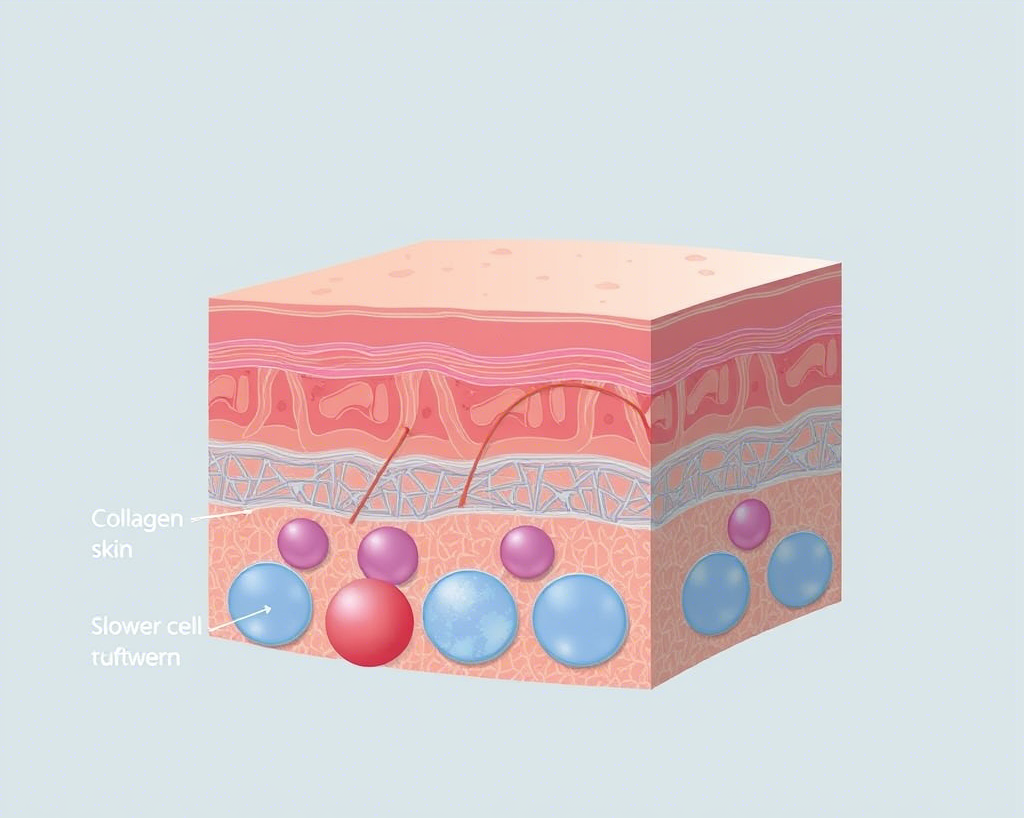
This is your skin’s golden age.
But environmental stressors are already at work. UV rays from that coffee run to your car? They’re creating free radicals that damage cellular DNA. The pollution from your commute? It’s generating inflammatory responses. Even that late-night Netflix binge affects your skin’s repair processes.
Dr. Patricia Wexler, a board-certified dermatologist, notes that cumulative sun damage accounts for up to 80% of visible facial aging. The keyword here is “cumulative” — it’s building up day by day, even when you don’t see it. A 2013 study published in Clinical, Cosmetic and Investigational Dermatology concluded that UV exposure is responsible for 80% of visible facial aging signs.
The Collagen Connection
Here’s where my background in cosmetic formulation science comes in handy. Collagen isn’t just one thing — it’s actually a family of proteins, with Type I and Type III being most important for skin structure. In your twenties, you’re still producing both efficiently, but environmental damage is already starting to interfere with this process.
The good news? Early intervention with the right anti-aging products for your 20s can actually boost this natural production and protect what you already have.
Building Your Bulletproof Daily Routine
Okay, let’s get practical. After years of formulating products and working with patients, I’ve learned that the best routine is the one you’ll actually follow. Complicated 12-step routines might look impressive on social media, but consistency always beats complexity.
Your Morning Shield Protocol
Step 1: Gentle Cleansing
Begin with a gentle cleanser that won’t strip your skin. Your twenties often come with oily T-zones or occasional breakouts, but harsh cleansing will backfire by triggering more oil production.
Step 2: The Antioxidant Power Player
This is where vitamin C comes into play. I always tell my patients that if they could only choose one anti-aging serum for their 20s, vitamin C would be my top pick. It’s like having a bodyguard for your collagen — fighting off free radicals before they can cause damage.
Dermatologists from TIME magazine specifically recommend vitamin C serums, “especially if you’re looking to manage fine lines, wrinkles, or pigmented spots,.” Look for L-ascorbic acid or magnesium ascorbyl phosphate if you have sensitive skin. J Clin Aesthet Dermatol recommends vitamin C concentrations of 10%-20% for optimal efficacy without irritation.
Step 3: Moisturizer That Works
Your skin needs hydration to maintain its plumpness and barrier function. Ingredients like hyaluronic acid can hold up to 1,000 times its weight in water — think of it as a moisture magnet for your skin.
Step 4: The Non-Negotiable – Sunscreen Every Single Day
I can’t emphasize this enough, and neither can the experts. The American Academy of Dermatology is crystal clear on this: they recommend “a broad-spectrum, water-resistant sunscreen with an SPF of 30 or higher, even on cloudy days”. SPF 30 blocks 97% of UV rays — a fact backed by AAD research, which shows that this level provides substantial protection.
The best anti-aging for 20s isn’t an expensive cream — it’s consistent SPF 30+ broad-spectrum sunscreen. Rain or shine, winter or summer, working from home or heading to the office. As board-certified dermatologist Dr. Rebecca Baxt warns, even just walking around town without SPF is “constantly damaging your skin,”
Your Evening Repair Workshop
Nighttime is when your skin shifts into repair mode. Growth hormone production peaks, cellular regeneration accelerates, and this is when active ingredients can work their magic without interference from UV exposure.
The Retinoid Revolution
If vitamin C is your daytime bodyguard, retinoids are your nighttime repair crew. These vitamin A derivatives are the gold standard for anti-aging in your 20s because they work on multiple levels — boosting collagen production, accelerating cell turnover, and preventing the breakdown of existing collagen.
Start slowly. I always recommend beginning with over-the-counter retinol 2-3 times per week, then gradually increasing frequency as your skin builds tolerance.
The Power Players: Essential Anti-Aging Ingredients
Let’s discuss the ingredients that truly make a difference. After years in cosmetic product development, I’ve learned to cut through the marketing hype and focus on what science supports.
Retinoids: The Heavy Hitters
Retinoids are the most researched anti-aging ingredients in dermatology. They work by binding to retinoic acid receptors in your skin cells, essentially telling them to behave like younger cells.
For your twenties, I typically recommend starting with:
- Retinyl palmitate or retinol esters: Gentle introduction options
- Retinol: The sweet spot for most people
- Retinaldehyde: Great middle ground for sensitive skin
The key is patience. Results take 12-16 weeks to become noticeable, but they’re worth the wait.
Vitamin C: Your Antioxidant Superhero
Not all vitamin C is created equal. During my formulation work, I’ve observed the instability of L-ascorbic acid, which can turn orange and lose potency within a few months. More stable forms, such as sodium ascorbyl phosphate (SAP) or magnesium ascorbyl phosphate (MAP), may be gentler options for those new to the product.
Harvard Health Publishing report highlighted that vitamin C not only prevents damage but can actually reverse some existing sun damage — particularly helpful if you’re wondering how to prevent wrinkles in your early 30s after less-than-perfect sun habits in your twenties.
The Supporting Cast
Niacinamide
This form of vitamin B3 is like a Swiss Army knife for skin. It controls oil production, strengthens the skin barrier, and has anti-inflammatory properties. Perfect for twenty-something skin that’s still dealing with occasional breakouts.
Hyaluronic Acid
The ultimate plumping ingredient. It doesn’t just sit on your skin’s surface — it actually draws moisture from the environment and deeper skin layers.
Peptides
These amino acid chains signal your skin to produce more collagen. Think of them as motivational speakers for your fibroblasts.
Expert Tips: What Dermatologists and Science Actually Say
Let’s cut through the noise with what the experts emphasize. Board-certified dermatologists agree: start early, keep it simple. As Dr. Debra Jaliman, a New York City-based dermatologist, puts it clearly: “You can start in your early 20s” with anti-aging products.
The American Academy of Dermatology supports this with evidence, recommending a minimum SPF of 30 because it “blocks 97% of UV rays”. Dr. Rebecca Baxt goes further, noting that even casual sun exposure without protection is “constantly damaging your skin”—including simply walking to your car or sitting by a window.
They also highlight what I now live by: consistency over perfection. The AAD emphasizes that daily application of broad-spectrum sunscreen, even on cloudy days, significantly reduces your risk of “premature skin aging like age spots, sagging, and wrinkles”.
One last evidence-based tip: Addressing specific concerns early makes all the difference. If you’re dealing with dark spots, Dr. Baxt recommends vitamin C serums or creams explicitly with “science-backed ingredients” to fade them over time. These aren’t magic pills, but they are research-supported steps to protect and gently correct minor issues before they compound.
Beyond Skincare: Lifestyle Factors That Matter
Here’s where things get interesting. The best anti-aging cream for your 20s won’t work if your lifestyle is working against your skin goals.
The Sleep-Skin Connection
During my medical training, I learned that growth hormone, which is crucial for skin repair, is primarily released during deep sleep stages. Skimp on sleep, and you’re literally shortchanging your skin’s ability to repair daily damage.
Aim for 7-9 hours of sleep, and here’s a pro tip: sleep on your back whenever possible. Side sleeping creates compression wrinkles that, over time, can become permanent. I’ve seen patients in their thirties with asymmetrical aging patterns that directly correlate with their preferred sleep positions.
Nutrition for Ageless Skin
Your skin is your body’s largest organ, and it reflects what’s happening internally. Foods rich in antioxidants — berries, leafy greens, nuts — provide the building blocks your skin needs for repair and protection.
However, I’ve learned something valuable through working with patients: it’s not just what you eat, but also what you don’t eat. High-glycemic foods (think processed sugars and refined carbs) can trigger a process called glycation, where sugar molecules attach to collagen fibers, making them stiff and brittle.
The Stress Factor
Chronic stress triggers cortisol production, which breaks down collagen and impairs skin barrier function. I’ve seen twenty-somethings with stress-induced skin aging that rivals what I typically see in much older patients.
Managing stress isn’t just good for your mental health — it’s essential skincare.
Professional Treatments Worth Your Investment
Not everything needs to be DIY. Sometimes professional intervention can accelerate your prevention efforts in ways that home care simply can’t match.
Chemical Peels: Controlled Renovation
Think of chemical peels as a controlled renovation for your skin. They remove damaged surface layers and stimulate collagen production in deeper layers. For twenty-something skin, light peels with glycolic or lactic acid can help maintain healthy cell turnover without the downtime associated with deeper peels.
Microneedling: Triggering Your Repair Response
This treatment creates controlled micro-injuries that trigger your skin’s natural healing response, boosting collagen and elastin production. It’s like tricking your skin into thinking it’s younger and needs to repair itself more actively.
The Professional Facial Advantage
Regular professional facials aren’t just pampering — they’re preventive maintenance. A skilled aesthetician can identify early signs of damage and customize treatments to address your specific concerns before they become visible problems.
Common Mistakes That Speed Up Aging
Let me share some hard truths I’ve learned from working with thousands of patients over the years.
The Over-Exfoliation Trap
More isn’t always better. I’ve seen patients in their twenties who’ve literally scrubbed their way to premature aging by over-exfoliating. Your skin barrier is precious—treat it as the protective shield it is. For more on how to exfoliate without damaging your skin, including gentle DIY options, see this guide.
The “I’m Too Young” Mindset
This is perhaps the biggest mistake I see. Prevention is always easier and more effective than correction. Starting anti-aging products when you are in your 20s isn’t vanity — it’s thoughtful planning.
Inconsistent Sun Protection
Weekend warriors who are diligent about sunscreen at the beach but overlook daily protection are missing the point. It’s the daily, consistent exposure that causes the most cumulative damage.
Neglecting the Neck and Décolletage
Your face isn’t an island. The neck and chest are often the first to show signs of aging because they’re frequently exposed yet rarely protected. Extend your skincare routine beyond your jawline.
Creating Your Personal Prevention Strategy
Here’s where we get strategic. Not every anti-aging cream for the 20s will work for everyone. Your genetics, lifestyle, environment, and skin type all play roles in determining what will be most effective for you.
Assessing Your Risk Factors
High-risk factors include
- Fair skin that burns easily
- Family history of early aging
- High-stress lifestyle
- Frequent sun exposure
- Smoking or secondhand smoke exposure
Protective factors include
- Darker skin tones (natural SPF protection)
- Genetics that favor late aging
- Low-stress lifestyle
- Minimal sun exposure
- Excellent nutrition habits
Building Your Arsenal Gradually
Start with the basics: a gentle cleanser, a vitamin C serum, a moisturizer, and sunscreen. Master this routine for 6-8 weeks before adding new elements. Your skin needs time to adjust and for you to see what’s actually working.
The Budget-Smart Approach
You don’t need to spend a fortune to prevent aging effectively. Some of the most effective ingredients, such as retinol and niacinamide, are available in excellent drugstore formulations. Focus your budget on high-quality sunscreen and a good vitamin C serum, then build from there.
Tracking Your Progress
Take monthly photos in consistent lighting. Changes happen gradually, and it’s easy to forget where you started. Document your journey — not for social media, but for yourself.
The Long Game Mindset
Let me leave you with this thought: the best time to plant a tree was 20 years ago. The second-best time is today.
Your twenties are your golden opportunity to establish habits and routines that will pay dividends for decades. Every day, you protect your skin from damage; every night, you support its repair processes. Every consistent choice you make is an investment in your future confidence.
I’ve been privileged to guide thousands of patients through their skincare journeys over my 18 years in medicine. The ones who start prevention early? They’re the ones who look back at 50 and feel grateful they began when they did.
The science is precise, the tools are available, and the time is now. Your future self is counting on the choices you make today.
FAQs For Vitamin C Vs Niacinamide
Is It Really Necessary To Start Anti-Aging Skincare In Your 20s?
Yes, dermatologists emphasize starting anti-aging in your 20s, as collagen production declines by 1% annually after age 25. Preventive measures such as SPF and gentle antioxidants help preserve skin elasticity, reduce future wrinkles, and combat environmental damage. This proactive approach yields smoother, firmer skin over the long term, according to American Academy of Dermatology guidelines.
What’s The Most Important Anti-Aging Product For Someone In Their 20s?
Broad-spectrum SPF 30+ sunscreen is the most important anti-aging product in your 20s, blocking 97% of UVB rays and preventing 80% of visible aging, according to dermatology research. It shields against UV-induced collagen breakdown, hyperpigmentation, and premature wrinkles. Daily application ensures long-term skin health and radiance.
Can I Use Retinol Every Night In My Twenties?
Yes, but build tolerance gradually, starting with 2–3 nights per week to avoid irritation. Retinol accelerates cell turnover, reducing fine lines and boosting collagen production without causing irritation in young skin. Dermatologists recommend low concentrations (0.1–0.3%) with moisturizer. Consistent use helps prevent premature aging while maintaining barrier health.
How Long Before I See Results From Wrinkle Prevention Efforts?
Wrinkle-prevention results in your 20s appear subtly: improved texture in 4–6 weeks and reduced fine lines in 3–6 months. Long-term benefits emerge over time, according to dermatology studies. Consistent use of SPF and actives such as retinol preserves collagen, delaying visible signs of aging. Track progress with photos for motivation.
Do Expensive Anti-Aging Products Work Better Than Drugstore Options?
No, efficacy depends on ingredients such as retinol or peptides, not on price. Drugstore options like CeraVe or The Ordinary often match luxury formulas in clinical trials. Focus on stability and concentration for anti-aging in your 20s. Dermatologists confirm that affordable products deliver comparable collagen support and wrinkle-prevention benefits.
Should I Be Concerned About Fine Lines Appearing In My Early Twenties?
Fine lines in your early 20s are typically due to dehydration or expression, not permanent wrinkles. Dermatologists advise hydrating with hyaluronic acid and using SPF to prevent progression. Early intervention preserves collagen, reducing the risk of further deepening. Monitor; if persistent, consult for personalized anti-aging strategies without over-treatment.
What’s The Difference Between Preventing Wrinkles In 20s Vs 30s?
In your 20s, prevention focuses on protecting peak collagen with SPF and antioxidants to delay wrinkles. By the 30s, it shifts to repair as production slows by 1% per year. Dermatologists note that 20s routines emphasize maintenance, while 30s routines incorporate stronger actives, such as retinol, for correction and sustained youthfulness.
Can Vitamin C And Retinol Be Used Together?
Yes, vitamin C and retinol pair well for anti-aging: vitamin C brightens and protects during the day, retinol repairs nightly. Dermatologists recommend stable forms to avoid irritation. This duo boosts collagen, fades spots, and fights free radicals. Start separately, then layer for enhanced wrinkle prevention in your 20s.
Is Professional Treatment Necessary For Anti-Aging In Your 20s?
Professional treatments aren’t necessary in your 20s; focus on preventive skincare, such as SPF and gentle actives. However, options such as LED therapy or mild peels can enhance collagen production if concerns arise. Dermatologists emphasize that daily habits account for 80% of results, allowing invasive procedures to be reserved for later decades.
What Lifestyle Changes Support Anti-Aging Efforts In Your 20s?
Support anti-aging with 7–9 hours of sleep for collagen repair, an antioxidant-rich diet (berries, greens), stress management via meditation, quitting smoking, and limiting alcohol. Dermatologists note that these habits preserve the skin’s natural defenses and complement topical routines, helping reduce wrinkles and maintain a glowing complexion over the long term.
📋 Medical Disclaimer
For Educational Purposes Only: This article is written by Kousar Subhan, a Medical Writer and Researcher, and is intended for informational and educational purposes only. The content provided is based on scientific research, peer-reviewed studies, and dermatological literature available as of December 2025.
Not Medical Advice: The information in this article does not constitute medical advice, diagnosis, or treatment recommendations. It should not be used as a substitute for professional medical consultation, diagnosis, or treatment from a board-certified dermatologist or qualified healthcare provider.
Individual Results May Vary: Skin conditions, including hyperpigmentation, melasma, and UV-induced pigmentation, vary significantly between individuals based on genetics, skin type, hormonal factors, and environmental exposure.
Consult Your Healthcare Provider: Before starting any new skincare regimen, especially if you are pregnant, breastfeeding, have diagnosed skin conditions, are taking medications, have sensitive skin, or are undergoing dermatological treatments.
Product Safety: Always perform a patch test before using new skincare products. Discontinue use and consult a healthcare professional if you experience irritation or adverse reactions.