
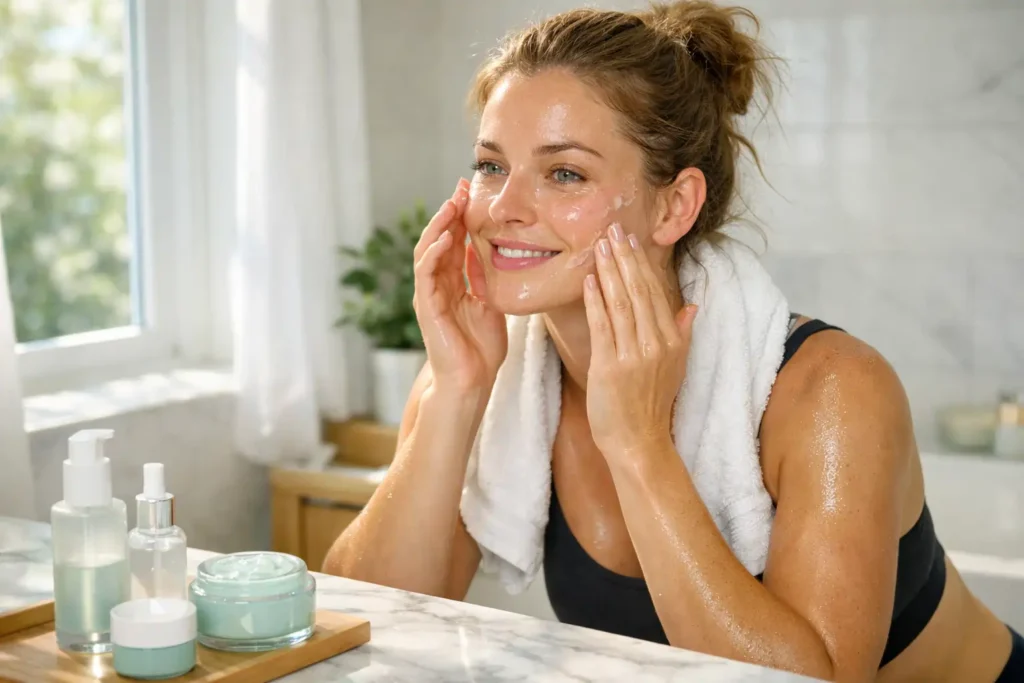
Best Face Masks After Workout: Barrier Repair Solutions for Sweat-Clogged Pores
You’ve just crushed an intense workout, endorphins are flowing, and your fitness goals are one step closer. But here’s what’s also happening: your skin barrier is compromised, your pores are clogged with a sweat-sebum mixture, and if you’re only cleansing post-gym, you’re missing the critical step that determines whether you wake up with clear, healthy skin or new breakouts.
The problem isn’t that you’re sweating—it’s that traditional post-workout skincare stops at cleansing when your skin needs active repair. This is where barrier repair masks with niacinamide become game-changers for gym-goers.
These multitasking products simultaneously restore your skin’s protective barrier, clear sweat-clogged pores, and calm inflammation, all while fitting into even the busiest schedules through overnight or quick-apply formats.
If you’re tired of post-gym breakouts, persistent clogged pores, or that tight, dehydrated feeling hours after your workout, this science-backed approach to post-exercise skincare will transform your routine.
Why Your Skin Needs Special Care After Working Out
What Sweat Does to Your Skin Barrier?
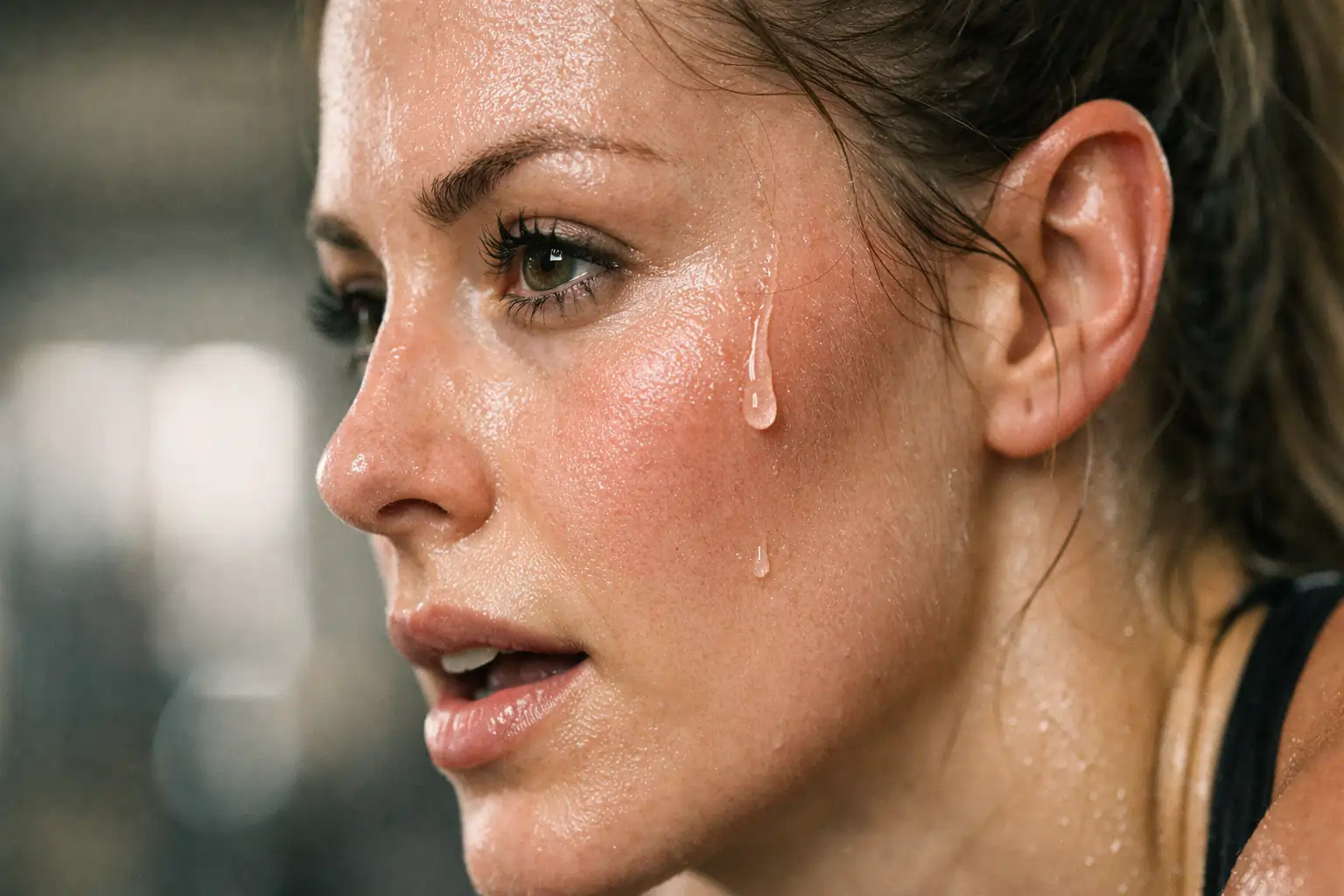
When you work out, your eccrine sweat glands produce a hypotonic solution composed primarily of water, sodium chloride, and trace minerals. While this is your body’s brilliant cooling mechanism, it creates specific challenges for your skin.
pH disruption: Sweat has a pH of 4.5-7.0 (typically around 6.3), while your skin’s optimal pH is 4.7-5.5. This alkaline shift temporarily impairs your acid mantle, which normally provides antimicrobial protection and supports healthy cell turnover by regulating enzyme activity.
Natural Moisturizing Factor (NMF) dilution: Your stratum corneum (outermost skin layer) contains NMF—a mixture of amino acids, pyrrolidone carboxylic acid (PCA), urea, and lactate that keeps skin hydrated. Sweat dilutes these crucial components, reducing your skin’s ability to retain moisture.
Lipid barrier disruption: Exercise raises skin temperature from about 32°C to 37°C or higher, accelerating transepidermal water loss (TEWL). Prolonged moisture exposure from sweat disrupts the organized structure of your lipid bilayer—the “mortar” between your skin cells, composed of ceramides, cholesterol, and fatty acids.
Osmotic stress: Here’s the counterintuitive part: even though sweat is wet, the salt residue it leaves behind creates osmotic pressure that actually draws water OUT of your stratum corneum, leading to dehydration hours after your workout.
The result? A temporarily compromised barrier that’s vulnerable, dehydrated, and struggling to perform its protective functions.
The Sweat + Sebum = Clogged Pore Equation
While sweat itself doesn’t clog pores (it’s water-based and flows through different openings than sebum), the post-workout environment creates perfect conditions for pore congestion:
Emulsion formation: Sweat mixes with your skin’s natural sebum, creating an emulsion that traps dead corneocytes (skin cells) that should have shed normally.
Impaired desquamation: When your stratum corneum becomes dehydrated from salt-induced osmotic stress, the enzymes responsible for breaking down the “glue” (desmosomes) between dead skin cells don’t function optimally. These cells accumulate rather than shed, contributing to pore blockage.
Compensatory sebum production: Your skin senses barrier damage and responds by producing more sebum as a protective measure. Combined with existing sweat residue and accumulated dead cells, this creates heavier pore occlusion.
Bacterial transfer: Gym equipment, yoga mats, and even your own workout towel harbor bacteria and fungi. When these come into contact with your warm, damp, barrier-compromised skin, they can trigger inflammatory responses that manifest as clogged pores or breakouts.
This is why you might notice that certain areas—your forehead where headbands sit, your chin where your hands touch during planks, or your jawline where sports bras create occlusion—are particularly prone to post-gym congestion.
Why Traditional Cleansing Isn’t Enough?
Most post-gym skincare advice focuses exclusively on cleansing, which is important for removing surface debris, sweat, and bacteria, but it doesn’t address the underlying damage.
What cleansing removes: Surface sweat, environmental pollutants, bacteria from gym equipment, and excess sebum.
What cleansing leaves behind: Barrier lipid disruption, diluted NMF, dehydrated stratum corneum, alkaline pH shift, and inflammatory cascade from mechanical stress.
Even worse, many people over-cleanse post-workout, using harsh foaming cleansers or double-cleansing when their barrier is already vulnerable. This further strips protective lipids, creating a cycle of dehydration, compensatory oil production, and persistent congestion.
Your skin is at its most vulnerable immediately after a workout. Simply cleaning it and walking away is like power-washing your house’s exterior but not repairing the cracks in the foundation. You need active treatment that restores barrier integrity while simultaneously addressing pore congestion.
This is precisely where barrier repair masks come into play.
The Multitasking Solution: Barrier Repair Masks with Niacinamide
How Niacinamide Solves the Post-Gym Skin Dilemma?
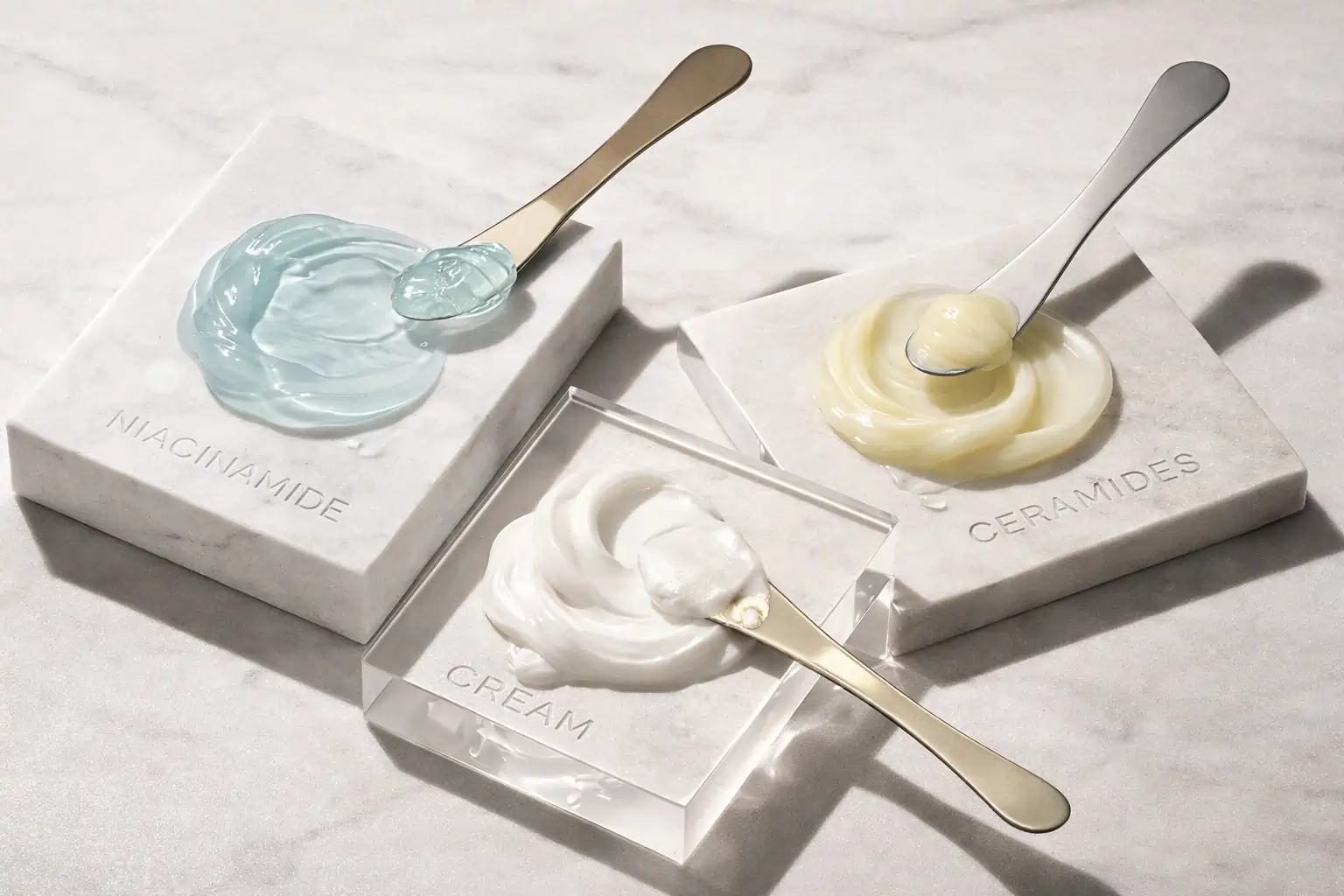
Niacinamide (vitamin B3) is uniquely suited for post-workout skin because it addresses all three exercise-induced concerns simultaneously through distinct cellular mechanisms.
Barrier Restoration (Keratinocyte Level):
At the cellular level, niacinamide upregulates the synthesis of ceramides—specifically ceramides 1, 3, and 4—which are critical components of your lipid barrier. It also increases filaggrin expression, a protein that breaks down into NMF components, essentially helping your skin regenerate its own hydration factors, which are diluted by sweat.
Additionally, niacinamide stimulates the production of free fatty acids and cholesterol, the other essential lipid barrier components. While you’ll see measurable barrier improvement after about 4 weeks of consistent use, there are acute benefits within hours of application, as these ingredients work synergistically with niacinamide to reinforce your barrier immediately.
Pore Appearance Reduction (Sebaceous Level):
Unlike retinoids, which act through hormonal pathways, niacinamide regulates sebum production by modulating the metabolic regulation of sebocyte differentiation. Research shows that 2% niacinamide can reduce glycerol and fatty acid secretion by approximately 50%, resulting in less oil mixing with sweat and dead cells in your pores.
This isn’t about drying out your skin—it’s about normalizing sebum production so your skin produces what it needs for protection without the excess that contributes to congestion.
Anti-Inflammatory Action:
Exercise creates mechanical stress on skin, and when combined with bacterial exposure from gym environments, this can trigger inflammatory cascades. Niacinamide inhibits the NF-κB pathway, reducing production of inflammatory cytokines. This prevents the post-workout breakouts that occur when your immune system overreacts to bacteria on compromised skin.
Why This Makes Niacinamide Ideal Post-Gym:
- Addresses barrier damage, pore congestion, AND inflammation in one ingredient
- Well-tolerated even on temporarily compromised barriers (unlike many actives)
- Effective at 2-10% concentration—lower than acids or retinoids, meaning less irritation risk
- Works quickly enough for both quick-apply and overnight formats
- No photosensitivity concerns (can use morning or evening)
Essential Ingredients to Pair with Niacinamide in Post-Workout Masks
While niacinamide is the star multitasker, the most effective post-gym masks combine it with complementary ingredients:
Ceramides (NP, AP, EOP): These lipid molecules directly replenish what sweat disrupted in your barrier. Look for masks that specify ceramide types—a mix of ceramide NP (or ceramide 3), ceramide AP (or ceramide 6-II), and ceramide EOP (or ceramide 1) mimics your skin’s natural lipid composition.
Hyaluronic Acid or Panthenol: These humectants draw water into your skin, counteracting dehydration caused by salt-induced osmotic stress. Panthenol (provitamin B5) supports barrier repair and has anti-inflammatory effects.
Centella asiatica (Cica): This botanical extract contains madecassoside and asiaticoside, compounds that help reduce inflammation and support wound healing. Post-workout skin experiences micro-inflammation even without visible irritation, and centella helps regulate this response.
Glycerin: As a component of NMF, glycerin replenishes what sweat dilutes. It’s also an excellent humectant that works synergistically with hyaluronic acid.
Avoid in Post-Workout Masks:
- Harsh exfoliants (AHAs, BHAs): Your barrier is already compromised; save exfoliation for non-workout days
- Fragrance and essential oils: These can irritate vulnerable post-exercise skin
- Alcohol denat: Further dries already dehydrated skin
- Heavy occlusives without humectants: Sealing in dehydration doesn’t help
Overnight vs. Quick-Apply Masks: Which Is Best for Your Gym Schedule?
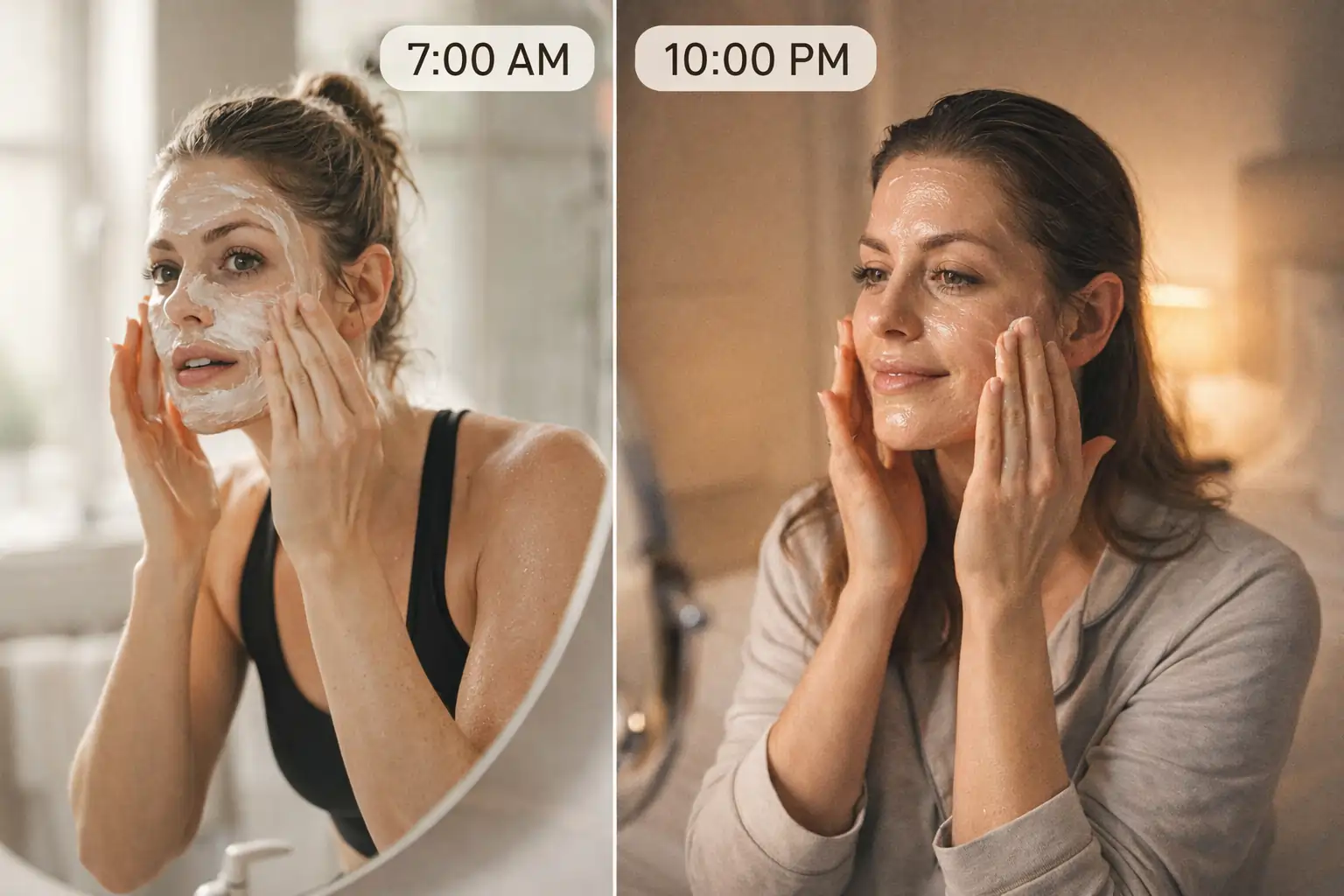
The beauty of modern barrier repair masks is their flexibility in format. Understanding the science behind each application method helps you choose strategically based on your workout timing.
Overnight Masks for Maximum Barrier Recovery
The Science:
Your skin follows a circadian rhythm with peak repair activity between 11 PM and 4 AM. During sleep, growth hormone secretion accelerates cell turnover, and reduced TEWL (since you’re not sweating or facing environmental stressors) means occlusive ingredients can maximize hydration.
Overnight masks work through extended occlusion. By creating a seal over your skin, they:
- Prevent moisture evaporation, allowing humectants to draw water into deeper epidermal layers
- Give active ingredients like niacinamide an extended contact time for cellular uptake
- Support your skin’s natural nocturnal lipid synthesis
- Create optimal conditions for barrier lipid organization
Best For:
- Evening workouts (you’ll cleanse, apply, and sleep)
- Severe dehydration or barrier damage
- High-intensity training days when skin stress is maximum
- People who prefer minimal morning routines
Application Timing:
Apply immediately after cleansing post-gym, while skin is still slightly damp (this enhances humectant effectiveness). If you shower at the gym, apply immediately upon returning home.
Expected Results:
Wake up with visibly plumper, more hydrated skin. Tightness and sensitivity should be noticeably reduced. With consistent use, you’ll see fewer post-workout breakouts and improved resilience.
Product Characteristics:
Look for overnight masks with occlusive ingredients (dimethicone, allantoin, petrolatum derivatives) combined with niacinamide, ceramides, and humectants. Texture should be richer than daytime products, yet still comfortable for sleep.
Quick-Apply Masks for Time-Crunched Mornings
The Science:
Even 10-20 minutes of occlusion significantly increases stratum corneum hydration. The occlusive layer prevents evaporation while actives penetrate, providing what’s called “short-term penetration enhancement.”
Niacinamide doesn’t require extended contact to begin working—its effects on inflammatory pathways and sebocyte metabolism initiate within minutes of application. Quick-apply formats deliver acute barrier support and active ingredient benefits without requiring overnight commitment.
Best For:
- Morning workouts before work
- Targeted treatment (specific areas of concern)
- Maintenance on moderate-intensity workout days
- People who prefer layered evening routines with separate treatments
Application Protocol:
After cleansing post-gym, apply a generous layer of your quick-apply mask. Set a timer for 15-20 minutes. Tissue off excess, or gently massage the remaining product into the skin, then proceed with your routine.
Expected Results:
Immediate hydration and soothing. Skin should feel comfortable and balanced, not tight or dry. Makeup application (if applicable) will be smoother. Over time, you’ll maintain barrier integrity despite daily workouts.
Product Characteristics:
Quick-apply masks often have lighter textures—gels, gel-creams, or lightweight emulsions. They should still contain niacinamide (2%+), barrier lipids, and humectants, but absorb more readily than overnight versions.
The Hybrid Approach: Strategic Use Based on Workout Timing
Rather than choosing one format exclusively, the most effective strategy adapts to your schedule and workout intensity:
Decision Framework:
Morning workout before work? → Quick-apply mask (15 min while getting ready)
Evening workout with time to spare? → Overnight mask (maximize recovery while you sleep)
High-intensity day (HIIT, long run, tough strength session)? → Overnight mask regardless of timing (your barrier needs maximum support)
Moderate exercise (yoga, Pilates, light cardio)? → Quick-apply mask is sufficient
Rest day, but skin feels compromised? → Overnight mask for catch-up repair
This flexible approach respects both your skin’s needs and your real-life schedule, making consistent barrier care actually sustainable.
Top Barrier Repair Masks for Post-Workout Skin
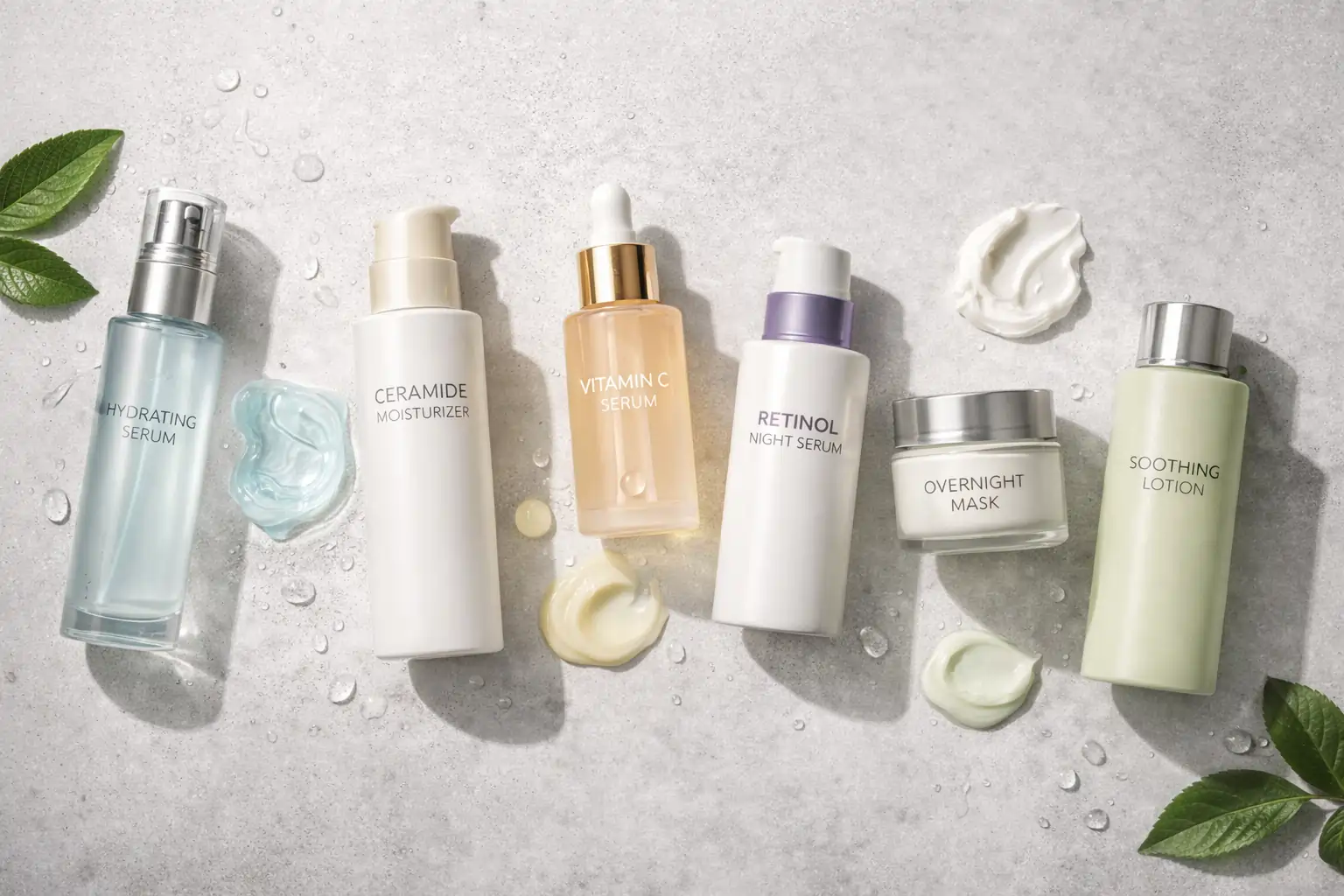
Selection Criteria
Before diving into specific products, understand what makes a mask truly effective for post-gym use:
Must contain:
- Niacinamide 2% minimum (look for 2-5% for optimal tolerability)
- Barrier lipids (ceramides, cholesterol, fatty acids)
- Humectants (hyaluronic acid, glycerin, panthenol)
Texture considerations:
- Non-comedogenic formulation
- Suitable for post-sweat skin (not overly heavy)
- pH skin-compatible (4.5-6.0 range)
Free from:
- Fragrance or essential oils
- Harsh surfactants
- High percentages of irritating actives
Best Overnight Masks for Post-Gym Barrier Repair
1. CeraVe Skin Renewing Night Cream
Key ingredients:
- Niacinamide
- Ceramides 1, 3, 6-II
- Hyaluronic acid
- MVE (MultiVesicular Emulsion) Technology
Why it works: CeraVe’s MVE technology slowly releases ingredients, providing continuous barrier support throughout the night. The ceramide blend directly replaces lipids lost to sweat exposure, while niacinamide addresses both pore appearance and inflammation.
Best for: Dehydrated, sensitized post-workout skin; all skin types, including oily (the texture is surprisingly lightweight for a night cream)
How to use post-gym: Apply generously after cleansing. If skin feels particularly parched, layer over a hydrating essence or apply to damp skin.
Price point: ~$18-20 for 1.7 oz (excellent value for efficacy)
2. La Roche-Posay Cicaplast Baume B5
Key ingredients:
- Panthenol (vitamin B5) 5%
- Madecassoside (from Centella asiatica)
- Copper-zinc-manganese complex
- Shea butter
Why it works: While not explicitly marketed as containing niacinamide, this formula excels at post-workout barrier repair through its high panthenol concentration (which converts to pantothenic acid, supporting lipid synthesis) and madecassoside (powerful anti-inflammatory). The copper-zinc-manganese complex supports wound healing and helps reduce micro-inflammation caused by exercise stress.
Best for: Sensitive, reactive, or inflammation-prone skin; those who experience redness or irritation post-workout; works beautifully after hot yoga or outdoor running in harsh weather
How to use post-gym: Apply a thick layer as the final step in your evening routine. The balm texture creates excellent occlusion. Can also be used on body areas prone to chafing or irritation from workout gear.
Price point: ~$15-17 for 1.35 oz (multitasking for face and body makes this economical)
3. The Ordinary Niacinamide 10% + Zinc 1% (used as an overnight treatment/mask)
Key ingredients:
- Niacinamide 10%
- Zinc PCA 1%
Why it works: This isn’t a traditional mask, but applied as a final layer, it functions as one. The high niacinamide concentration delivers maximum pore-refining and barrier-supporting benefits, while zinc PCA provides additional sebum regulation and antimicrobial action (helpful given gym bacteria exposure).
Best for: Oily to combination skin; those prioritizing pore appearance; budget-conscious gym-goers; people who prefer minimalist formulations
How to use post-gym: After cleansing and applying any hydrating layers (essential, as this formula alone isn’t moisturizing enough), apply 2-3 drops and let it absorb. Follow with a simple occlusive moisturizer to seal everything in overnight.
Price point: ~$6-7 for 30ml (unbeatable value for high-concentration niacinamide)
Note: This formula can cause pilling when layered with certain products. Apply to fully dry skin and use lighter, compatible moisturizers.
4. Krave Beauty Great Barrier Relief
Key ingredients:
- Niacinamide
- Ceramides
- Tamanu oil
- Centella asiatica extract
Why it works: Specifically formulated for compromised barriers, this serum-texture product functions as a lightweight overnight mask. Tamanu oil provides fatty acids for barrier repair without heaviness, while the ceramide complex addresses lipid depletion from sweat exposure.
Best for: Dehydrated skin that’s also prone to congestion (gets the barrier benefits without heavy occlusives); those who layer multiple products at night; humid climates where heavier masks feel uncomfortable
How to use post-gym: Apply 2-4 pumps after cleansing. Can be used alone for minimal routines or layered under a sleeping mask for intensive repair.
Price point: ~$28 for 45ml (mid-range; a little goes a long way)
Best Quick-Apply Masks for Busy Gym-Goers
1. Glow Recipe Watermelon Glow Sleeping Mask (dual-use: overnight or 10-min treatment)
Key ingredients:
- Niacinamide
- Hyaluronic acid
- Watermelon extract (amino acids, vitamins)
- AHAs (gentle percentage)
Why it works: The bouncy gel texture absorbs quickly, making this suitable for quick morning applications despite its marketing as a sleeping mask. Hyaluronic acid provides immediate hydration, while niacinamide addresses pore appearance. The watermelon extract delivers amino acids that support NMF replenishment.
Best for: Morning routines; oily to combination skin; those who want an immediate glow before makeup; people who prefer lightweight, refreshing textures
15-minute application protocol: Apply a generous layer after cleansing. While it absorbs, continue your morning routine (hair, coffee, etc.). Tissue off any excess after 15 minutes, or gently pat the remaining product into the skin.
Price point: ~$45 for 80ml (higher price point but versatile day/night use)
Note: Contains a small amount of AHAs. If your skin is particularly compromised after a workout, use the AHA-free options instead.
2. Paula’s Choice 10% Niacinamide Booster (customizable mask treatment)
Key ingredients:
- Niacinamide 10%
- Vitamin C (SAP form)
- Vitamin E
Why it works: This concentrated serum can be applied alone as a quick treatment or mixed with your favorite moisturizer to create an instant barrier-repair mask. The high niacinamide concentration delivers rapid results, while vitamins C and E provide antioxidant protection (beneficial post-outdoor workouts).
Best for: All skin types; people who want to customize their treatment; those who already have a favorite moisturizer and want to boost it; targeted treatment for specific congested areas
How to create a quick mask treatment: Mix 3-4 drops with a dollop of your regular moisturizer in your palm. Apply to clean, damp post-gym skin. Leave for 10-15 minutes, then remove the excess tissue or massage it in. Alternatively, apply the booster alone, wait 5 minutes, then layer the moisturizer.
Price point: ~$52 for 20ml (high per-ounce cost, but you need very little per application)
3. First Aid Beauty Ultra Repair Hydrating Serum
Key ingredients:
- Niacinamide
- Hyaluronic acid
- Peptides
- Colloidal oatmeal
Why it works: Colloidal oatmeal is clinically proven to soothe irritated skin and support the skin barrier, making it ideal for post-workout sensitivity. The serum’s texture facilitates quick absorption, while the peptide complex supports skin repair.
Best for: Sensitive skin; those who experience workout-induced irritation or redness; quick morning applications; people who prefer fragrance-free, gentle formulations
Quick application technique: Apply 2-3 pumps to cleansed post-gym skin. Set a timer for 10 minutes. The serum absorbs almost completely; any residue can be patted in before continuing your routine.
Price point: ~$36 for 30ml (mid-range; excellent for sensitive skin)
4. COSRX Ultimate Nourishing Rice Overnight Spa Mask (quick-apply friendly)
Key ingredients:
- Niacinamide (from rice extract)
- Rice bran oil
- Ceramides
Why it works: Despite the “overnight” name, the lightweight cream-gel texture makes it ideal for 15-minute morning treatments. Rice extract naturally contains niacinamide and amino acids that replenish NMF. Rice bran oil provides fatty acids for barrier repair without clogging pores.
Best for: Normal to dry skin; those who prefer natural ingredients; brightening benefits alongside barrier repair; affordable K-beauty options.
15-minute protocol: Apply a thick layer post-gym cleansing. The texture absorbs readily. After 15 minutes, gently press the remaining product into the skin rather than rinsing it off.
Price point: ~$16 for 60ml (excellent value)
DIY Mask Boost: Adding Niacinamide to Your Current Masks
If you already have masks you love but they lack niacinamide, you can strategically boost them:
How to safely incorporate:
- Choose a standalone niacinamide serum (The Ordinary, Paula’s Choice, or similar)
- Layer properly: Apply niacinamide serum to cleansed post-gym skin, wait 2-3 minutes for absorption, then apply your existing mask over it
- Ratio for mixing: If you prefer to mix, combine 2-3 drops of niacinamide serum with a dollop of mask in your palm before applying
When this approach works:
- You have a barrier-repair mask that lacks niacinamide’s pore-refining benefits
- You want to customize intensity (more niacinamide on high-sweat days)
- You’re testing tolerance before buying a dedicated niacinamide mask
When dedicated products are better:
-
- You want convenience (grab and go post-gym)
- You prefer formulas specifically designed with synergistic ingredients
- You find layering tedious and want to streamline your routine
The Complete Post-Gym Skincare Routine with Barrier Repair Masks
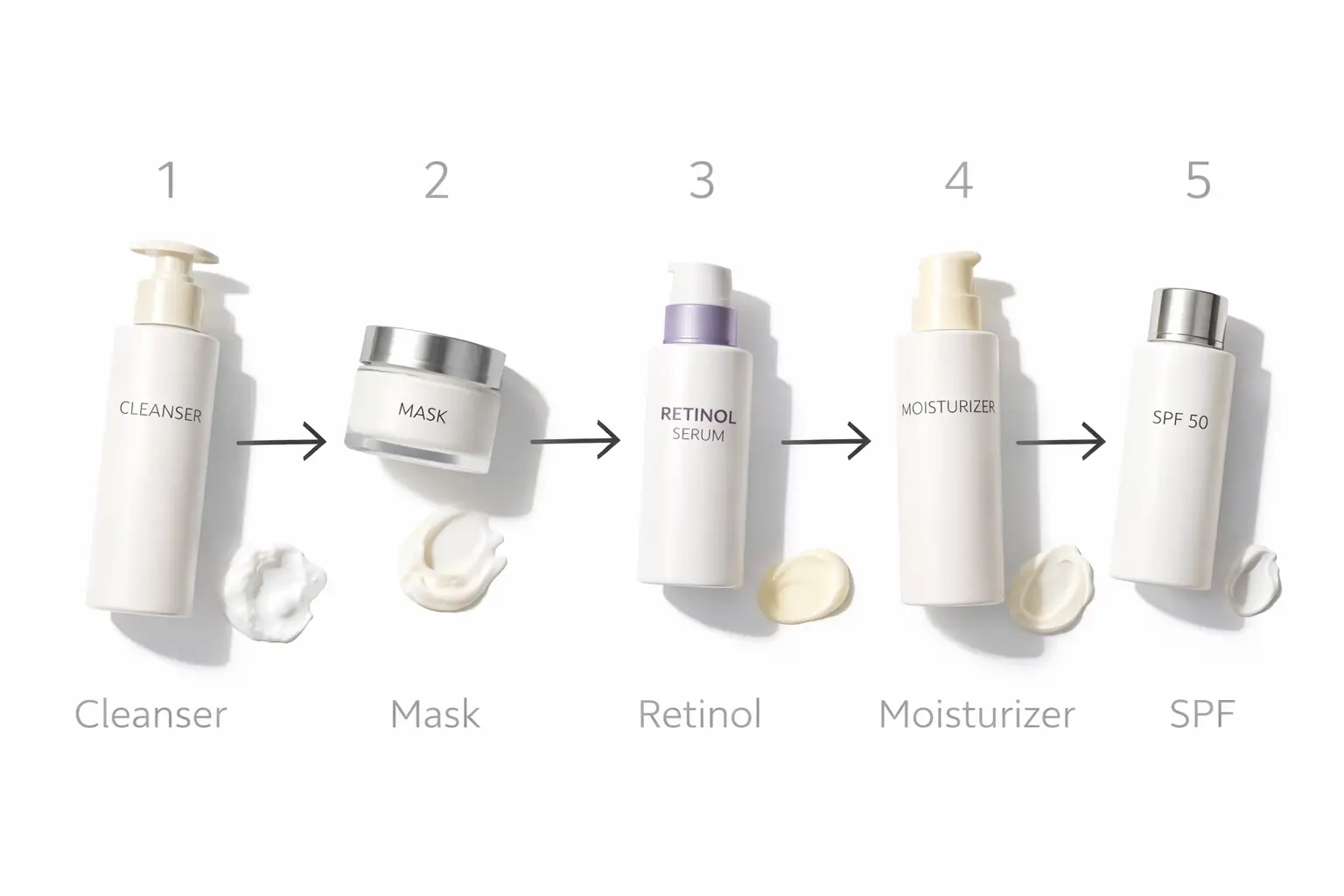
Step-by-Step: Morning Workout Edition
Scenario: You work out at 6 AM and need to be ready for work by 8 AM.
Immediate post-workout (at gym or home):
- Quick rinse: If you’ll be home within 30 minutes, splash your face with cool water to remove surface sweat. This prevents over-cleansing.
At home (total time: 25 minutes):
- Gentle cleanse (2 minutes) – Use a pH-balanced, non-stripping cleanser. Massage for 30-60 seconds, rinse with lukewarm water. Pat dry gently.
- Product examples: CeraVe Hydrating Cleanser, La Roche-Posay Toleriane Hydrating Gentle Cleanser, Youth to the People Superfood Cleanser
- Quick-apply barrier-repair mask (15 minutes): Apply your chosen niacinamide mask generously. While it works, prepare breakfast, make coffee, and get dressed. After 15 minutes, gently press any remaining product into the skin or tissue to remove excess.
- Go-to products: Glow Recipe Watermelon Mask, COSRX Rice Mask, Paula’s Choice Niacinamide mixed with moisturizer
- Hydrating essence/serum (optional, 1 minute) – If your skin needs extra hydration, layer a simple hyaluronic acid or glycerin-based essence.
- Skip if: Your mask was sufficiently hydrating, and time is tight
- Moisturizer + SPF (2 minutes): Seal with a lightweight moisturizer, then apply SPF 30-50. Or use a combined moisturizer-SPF for efficiency.
- Product examples: La Roche-Posay Toleriane Double Repair Face Moisturizer with SPF,
Total time investment: 25 minutes, with 15 minutes of multitasking
Step-by-Step: Evening Workout Edition
Scenario: You work out after work around 6-7 PM and want minimal-effort skincare before bed.
Immediately post-workout:
- Post-gym cleanse (3 minutes): Since you’re done for the day, take your time with a thorough yet gentle cleanse. If you’re very sweaty, you can do a gentle first cleanse with micellar water, then follow with your regular cleanser. Rinse well, pat dry.
Evening routine (total time: 10 minutes active, then overnight recovery):
- Hydrating toner/essence (2 minutes) – Apply a hydrating layer to damp skin. This enhances the effectiveness of your overnight mask. Pat it in rather than wiping with cotton (preserves hydration).
- Product examples: Kikumasamune High Moist Lotion, I’m From Rice Toner, simple rose water
- Overnight barrier-repair mask (3 minutes): Apply your niacinamide overnight mask as your final step. Don’t be shy about the amount—your skin repairs most effectively during sleep and can handle richer textures at night.
- Go-to products: CeraVe Skin Renewing Night Cream, La Roche-Posay Cicaplast Baume, Krave Beauty Great Barrier Relief
- Optional: Facial oil for extra occlusion (2 minutes) – On particularly dehydrated days or after very intense workouts, layer 2-3 drops of a non-comedogenic oil (squalane, rosehip, marula) over your mask to boost occlusion.
- When to add: High-intensity training days, dry climates, very compromised barrier
- When to skip: Oily skin types, humid weather, moderate workout intensity
Total active time: 10 minutes, then your skin works overnight while you sleep
Pro tip: Keep your overnight mask on your nightstand. If you’re genuinely exhausted and tempted to skip skincare, at least cleanse and apply the mask. It’s better than nothing and requires minimal energy.
Common Mistakes to Avoid
1. Over-cleansing in the name of “removing all the sweat.”
The mistake: Using harsh foaming cleansers, cleansing twice after the gym, or using cleansing brushes/exfoliating tools when your barrier is already compromised.
Why it’s harmful: Your lipid barrier is already disrupted by sweat. Aggressive cleansing strips more lipids, creating a cycle of dehydration and compensatory oil production.
The fix: One gentle, pH-balanced cleanse is sufficient. If you’re very sweaty, use micellar water first, then a gentle cleanser—but both should be mild.
2. Skipping masks because “my skin is too oily/sweaty for them.”
The mistake: Assuming post-workout skin that feels oily doesn’t need masks, especially rich overnight ones.
Why it’s harmful: That oiliness is often compensatory sebum from dehydration. Your barrier still needs repair, even if surface sebum makes skin appear oily.
The fix: Choose gel or lightweight cream masks if heavy textures genuinely feel uncomfortable, but don’t skip barrier repair entirely. Your skin needs it most post-workout.
3. Using harsh actives immediately after working out
The mistake: Applying strong exfoliating acids (glycolic, salicylic), retinoids, or vitamin C (L-ascorbic acid) directly post-workout.
Why it’s harmful: Your barrier is temporarily compromised. Potent actives on vulnerable skin increase the risk of irritation and can disrupt the repair process.
The fix: Reserve exfoliants and retinoids for non-workout days or apply them the morning after an evening workout (giving your barrier overnight to recover first). Niacinamide is well-tolerated even on compromised skin, making it ideal for immediate post-gym use.
4. Not adjusting your routine based on workout intensity
The mistake: Using the same skincare approach after a gentle yoga class and after a HIIT session that left you drenched.
Why it’s harmful: High-intensity workouts create more barrier stress, greater TEWL, and more sweat-induced dehydration. They require more intensive repair.
The fix: Scale your approach. Moderate workouts might need only quick-apply masks; intense sessions benefit from overnight masks regardless of timing. Listen to your skin’s feedback.
5. Ignoring neck, chest, and back
The mistake: Treating only your face after the gym when your neck, décolletage, and back have also sweated and experienced barrier stress.
Why it’s harmful: These areas are prone to “bacne” and chest breakouts precisely because they’re neglected in post-workout care.
The fix: Extend your post-gym treatment to all affected areas. Products like La Roche-Posay Cicaplast Baume are economical enough for body use. Apply niacinamide treatments to your chest and upper back, especially if you’re prone to body breakouts.
6. Not drinking enough water to support topical hydration
The mistake: Relying solely on topical products while remaining internally dehydrated post-workout.
Why it’s harmful: Humectants in your masks draw water into skin—but they work best when you’re properly hydrated internally. Dehydration reduces effectiveness.
The fix: Drink 16-20 oz of water within 30 minutes post-workout, before applying your skincare. Continue hydrating throughout the day. This supports both athletic recovery and skin barrier restoration.
How Long Until You See Results?
Understanding realistic timelines helps you stay consistent with your post-gym barrier repair routine.
Immediate Benefits (Within 24-48 Hours)
Hydration restoration: You’ll notice your skin feels comfortable and plump rather than tight and parched after workouts. That “stripped” feeling should disappear.
Reduced sensitivity: Skin that previously stung when applying products or felt raw after the gym should tolerate your routine comfortably.
Visible texture improvement: Surface dehydration lines should diminish noticeably. Your skin should look more supple.
Comfortable skin: No more tightness developing hours after your workout as skin dries out.
What’s happening: Humectants are binding water in your stratum corneum, occlusives are preventing TEWL, and immediate anti-inflammatory benefits from niacinamide are calming post-exercise stress.
Short-Term Improvements (1-2 Weeks)
Barrier function recovery: Your skin’s ability to retain moisture improves measurably. You’ll notice you can go longer between moisturizer applications, and your skin stays comfortable.
Fewer post-workout breakouts: The inflammatory acne or congestion that previously appeared 1-2 days after intense workouts should occur less frequently and be less severe.
Improved skin texture: Rough, bumpy texture from accumulated dead cells improves as proper desquamation resumes. Your skin should feel smoother.
Better tolerance for the gym environment: Bacterial exposure from equipment causes fewer reactive breakouts, as your barrier provides better protection.
Visible pore refinement: Pores should appear smaller, particularly in your T-zone and other areas prone to sweat accumulation.
What’s happening: Niacinamide regulates sebum production, ceramides restore lipid barrier structure, and consistent barrier support allows normal desquamation to resume.
Long-Term Transformation (4-8 Weeks)
Sustained barrier integrity: Your skin maintains hydration and protection even through daily workouts. You’ve broken the cycle of workout-induced barrier damage.
Significant pore appearance reduction: With consistent sebum regulation and proper cell turnover, pores should be noticeably refined across your entire face.
Overall skin resilience improvement: Your skin bounces back faster from environmental stressors, intense workouts, or occasional skincare mistakes.
Better tolerance for the gym environment: bacteria, sweat, and mechanical friction from exercise cause minimal disruption. Your skin is robust enough to handle your active lifestyle.
Reduced dependency on heavy products: Paradoxically, as your barrier strengthens, you may find you need less product. Your skin’s own protective mechanisms are functioning optimally.
Texture and tone improvements: Beyond just managing post-gym issues, you’ll likely notice overall improvements in clarity, evenness, and radiance.
What’s happening: Consistent niacinamide use has upregulated ceramide synthesis and normalized sebaceous activity. Your barrier lipid ratios have normalized, and your skin’s natural protective and hydration mechanisms are fully functional.
Tracking your progress:
- Take photos in consistent lighting every 2 weeks
- Note subjective feelings: Does skin feel tight post-workout? How quickly does it recover?
- Track breakouts: Are they decreasing in frequency and severity?
- Monitor product absorption: Does your skin drink up products or sit on the surface?
Special Considerations for Different Workout Types
Not all exercise affects your skin the same way. Tailoring your barrier-repair approach to your workout type optimizes results.
High-Intensity Training (HIIT, CrossFit, Spinning)
Unique challenges:
- Maximum sweat volume and rate
- Sustained elevated skin temperature
- Greatest TEWL
- Often indoor (potentially bacteria-rich equipment)
Barrier repair strategy:
Always prioritize overnight masks, even after morning HIIT sessions. Your barrier stress is maximum with these workouts. If you train in the morning and can’t do an overnight mask immediately, do a quick-apply mask in the morning, then follow up with an overnight mask that evening.
Consider “double-masking” on recovery days: apply a hydrating sheet mask for 15 minutes, then layer your barrier repair cream mask over it overnight.
If you do HIIT daily, your skin is in a constant state of stress and recovery. Non-negotiables: niacinamide after every workout; ceramide-rich overnight masks at least 5x/week.
Hot Yoga/Heated Workouts (Bikram, Hot Pilates)
Unique challenges:
- Extreme TEWL from high ambient temperature
- Prolonged sweat exposure (60-90 min classes)
- Heat + humidity = ideal bacterial growth environment
- Skin barrier literally “baked” at 95-105°F
Barrier repair strategy:
Immediate post-class application is critical. Don’t wait until you get home—your skin is losing water at maximum rate. Bring a travel-size niacinamide serum and apply it in the studio bathroom immediately after class, then apply your full routine at home.
Humectant-rich formulations are essential. Look for masks that incorporate multiple molecular weights of hyaluronic acid (to penetrate different skin depths) along with glycerin and panthenol.
The evening after hot yoga, use your richest overnight mask. Your barrier took a beating and needs maximum support.
Hydrate aggressively: drink before, during (if allowed), and after class. Internal hydration significantly impacts how well topical products work.
Outdoor Running/Cycling
Unique challenges:
- Environmental stress (UV, pollution, wind) + sweat
- UV exposure compounds barrier damage
- Wind accelerates TEWL
- Temperature fluctuations stress the skin
- Longer duration = extended sweat exposure
Barrier repair strategy:
Evening repair protocol is crucial. UV exposure generates free radicals that continue to damage skin for hours after a run. Apply antioxidant-rich masks (niacinamide provides some antioxidant benefit; look for added vitamin E or green tea extract).
Never skip SPF on outdoor workout days, even for early morning runs. UV + compromised barrier = significant risk of photo damage.
If you run/cycle in cold weather, your barrier is exposed to dual stress: sweat and harsh cold. Use the richest overnight masks in your arsenal.
Consider applying a thin layer of protective barrier cream (such as CeraVe Healing Ointment) to high-friction areas before long runs—this helps prevent mechanical barrier damage that can compound sweat-related stress.
Moderate Exercise (Pilates, Walking, Light Yoga)
Unique challenges:
- Minimal sweat, but some barrier disruption
- Often done daily (consistency matters)
- Lower intensity, but still needs support
Barrier repair strategy:
The maintenance approach is sufficient. Quick-apply masks 3-4x/week after workouts to maintain barrier health without requiring intensive overnight treatments, unless skin signals it needs more support.
This is your opportunity to use lighter, gel-based niacinamide masks that you might find too minimal for intense training.
Don’t neglect barrier care just because sweating was minimal—regular moderate exercise still requires consistent barrier support, just less intensive.
If you do Pilates or yoga daily and notice your skin stays healthy, you can experiment with “cycling” your masks: quick-apply Mon/Wed/Fri, and a fuller overnight treatment on Sunday night as a weekly reset.
FAQs: Best Face Masks After Workout
Can I use a face mask immediately after working out?
Yes—in fact, this is the optimal timing. Your skin is vulnerable immediately post-exercise, with a compromised barrier, diluted NMF, and increased TEWL. Applying a barrier repair mask immediately after cleansing prevents dehydration for hours and supports your skin’s repair processes when it needs help most.
The only caveat: cleanse first. Don’t apply masks to sweaty skin, as you’d be trapping salt residue, gym equipment bacteria, and environmental debris. Immediately after cleansing, your skin is primed to absorb the beneficial ingredients in barrier-repair masks.
Think of it like refueling after a workout. You wouldn’t wait 6 hours to eat post-training—your body needs nutrition when it’s depleted. Similarly, your skin needs barrier support when it’s compromised, not hours later after damage has progressed.
Should I use a mask before or after the gym?
After is scientifically superior for barrier repair. Here’s why:
Before your workout, your skin barrier is intact and functioning. Applying a mask before the gym means those beneficial ingredients will be diluted by sweat, potentially occluded by sweat-sebum emulsion, and partially removed when you towel off during your workout.
After your workout, barrier damage occurs, NMF is diluted, and lipid structure is disrupted. This is when your skin needs and can best utilize barrier-repairing ingredients.
The exception: If you work out outdoors in harsh conditions (cold, wind, high UV), applying a protective barrier cream (not a treatment mask) before your workout can provide a protective layer. Consider applying products like Aquaphor or CeraVe Healing Ointment to exposed skin before a winter run. However, your treatment mask should still be applied post-workout.
How often should I use a barrier repair mask if I work out daily?
Daily use is not only safe but recommended for frequent exercisers. Unlike exfoliating masks or active-heavy treatments, which should be used sparingly, barrier repair masks with niacinamide, ceramides, and humectants are designed for consistent use.
Frequency by skin type:
Oily/combination skin: Quick-apply mask 5x/week after workouts, overnight mask 2x/week (after most intense training days)
Normal skin: Quick-apply or overnight mask after every workout (daily if you train daily)
Dry/dehydrated skin: Use an overnight mask after every workout, no exceptions. Your barrier needs maximum support.
Sensitive skin: Start with every other day for the first week to ensure tolerance, then increase to daily. Choose fragrance-free, minimal formulations.
Your skin is experiencing daily stress from daily training. Matching that with daily repair is logical and beneficial. Many gym-goers find that consistent masking actually allows them to train harder without skin consequences.
Can I use the same mask on rest days?
Yes, but you can adapt your approach. On rest days, your skin isn’t experiencing acute exercise-induced stress, so you have flexibility:
Option 1: Maintain consistency – Continue your masking routine to support ongoing barrier health. This works well if your routine feels effortless and you enjoy the ritual.
Option 2: Reduce frequency – Use masks only on workout days, give your skin a “break” on rest days with a simpler routine (cleanser, essence, moisturizer). This works if you find masking time-consuming or if your skin responds well to variation.
Option 3: Different focus – On rest days, you might use masks with different goals (exfoliating, brightening) since your barrier isn’t compromised. Just ensure these aren’t harsh or stripping.
The key question: How does your skin feel on rest days? If it’s comfortable, plump, and resilient, you can simplify. If it still feels tight or looks congested, maintain your barrier-repair routine—you may need more recovery time than you’re currently allowing.
Will niacinamide masks cause purging?
No, niacinamide does not cause purging. This is one of its major advantages.
Why does purging happen?
Purging occurs when ingredients that increase cell turnover (retinoids, AHAs, BHAs) accelerate the skin’s natural exfoliation, bringing underlying clogs to the surface more quickly. It’s essentially “speeding up the inevitable”—breakouts that would have happened eventually occur all at once.
Why niacinamide doesn’t cause this: Niacinamide doesn’t increase cell turnover rate. It works by:
- Regulating sebum production metabolically
- Supporting barrier lipid synthesis
- Reducing inflammation
- None of these mechanisms accelerates cellular turnover
What you might experience instead:
If you break out when starting niacinamide masks, it’s likely:
- Product sensitivity: You’re reacting to another ingredient in the formula (fragrance, preservative, etc.)
- Concentration issue: Very high concentrations (10%+) can irritate some skin types; drop to 5% or lower
- Coincidental timing: The breakout would have happened regardless of niacinamide use
The good news: This makes niacinamide ideal for post-workout skin. You get barrier repair and pore refinement without the adjustment period or potential irritation of traditional “active” ingredients.
Are overnight masks safe to use every night?
Yes, when formulated correctly. Unlike sleeping packs with high concentrations of exfoliants or potentially irritating actives, overnight barrier-repair masks are designed for consistent, even daily use.
What makes them safe for nightly application:
- Barrier-supporting ingredients (ceramides, niacinamide, panthenol) don’t have a “tolerance threshold” where more becomes harmful
- Occlusive ingredients simply prevent water loss; they don’t disrupt skin function with repeated use
- Non-irritating formulations designed for compromised skin are inherently gentle
When to reduce frequency:
- If you notice milia (small white bumps), your skin may be over-occluded. Reduce to 3-4x/week or switch to lighter textures.
- If skin feels congested despite proper cleansing, you may need a less occlusive formula or to incorporate gentle exfoliation on non-workout days.
- If you’re experiencing breakouts specifically where you apply thick layers (but not elsewhere), the specific formula may be too heavy for your skin type.
For daily gym-goers: Using a nightly overnight mask after evening workouts is not only safe but also optimal. Your skin experiences daily stress and benefits from daily intensive repair.
Conclusion: Elevate Your Post-Gym Routine with Smart Masking
Your fitness commitment deserves a skincare strategy that matches its sophistication. Just as you wouldn’t skip post-workout protein or hydration, skipping barrier repair leaves your skin in a vulnerable, depleted state that compounds over time into persistent clogged pores, dehydration, and breakouts.
The key insights:
- Sweat doesn’t just sit on your skin’s surface—it actively disrupts your barrier by diluting NMF, disrupting lipid organization, and creating osmotic stress that dehydrates your skin from within.
- Cleansing alone addresses surface issues but ignores the underlying damage, leaving your skin to struggle through recovery with depleted resources.
- Niacinamide is uniquely suited for post-gym skin because it simultaneously repairs your barrier, refines pores, and calms inflammation through distinct cellular mechanisms.
- Format flexibility means barrier repair fits any schedule. Quick-apply masks work for morning workouts before work; overnight masks maximize recovery after evening sessions.
- Consistency transforms skin resilience. Regular barrier repair doesn’t just prevent post-workout issues—it builds skin that’s robust enough to handle your active lifestyle without consequences.
Your action steps to implement today:
- Choose your format: Select one quick-apply mask for time-crunched days and one overnight mask for intensive repair based on your skin type and workout intensity.
- Establish your baseline routine:
- Morning workouts: Cleanse → Quick-apply mask (15 min) → Moisturizer + SPF
- Evening workouts: Cleanse → Hydrating essence → Overnight mask
- Track your progress: Take a photo today. Note how your skin feels post-workout. Reassess in 2 weeks.
- Adjust based on feedback: Your skin will tell you if you need more intensive repair (overnight masks more frequently) or if your current approach is working (maintain consistency).
The multitasking efficiency of barrier repair masks with niacinamide means you’re not adding complexity to your routine—you’re strategically addressing multiple concerns (barrier damage, pore congestion, inflammation) with one step. For gym-goers who value both results and efficiency, this is the skincare equivalent of compound exercise: maximum benefit with minimal time investment.
Your skin is your largest organ and your most visible indicator of health. Give it the recovery support it needs to match your fitness dedication, and you’ll notice the transformation extends beyond just “fixing post-gym problems” to genuinely resilient, healthy skin that looks as strong as you’re becoming.
📋 Medical Disclaimer
For Educational Purposes Only: This article is written by Kousar Subhan, a Medical Writer and Researcher, and is intended for informational and educational purposes only. The content provided is based on scientific research, peer-reviewed studies, and dermatological literature available as of December 2025.
Not Medical Advice: The information in this article does not constitute medical advice, diagnosis, or treatment recommendations. It should not be used as a substitute for professional medical consultation, diagnosis, or treatment from a board-certified dermatologist or qualified healthcare provider.
Individual Results May Vary: Skin conditions, including hyperpigmentation, melasma, and UV-induced pigmentation, vary significantly between individuals based on genetics, skin type, hormonal factors, and environmental exposure.
Consult Your Healthcare Provider: Before starting any new skincare regimen, especially if you are pregnant, breastfeeding, have diagnosed skin conditions, are taking medications, have sensitive skin, or are undergoing dermatological treatments.
Product Safety: Always perform a patch test before using new skincare products. Discontinue use and consult a healthcare professional if you experience irritation or adverse reactions.
🛍️ Affiliate Disclosure
Amazon Associates Program: Glow Guide Hub participates in the Amazon Services LLC Associates Program. When you purchase through our Amazon affiliate links, we may earn a small commission at no extra cost to you.
Editorial Independence: Our affiliate relationships do not influence our content or recommendations. We only recommend products based on scientific research, clinical evidence, and genuine quality assessment.
Supporting Our Mission: Your purchases through affiliate links help us maintain this free, evidence-based educational resource. Thank you for your trust!