
Winter Skincare Essentials: Expert Guide for 2026
Understanding Winter Skin Challenges
Why Does Winter Weather Damage Your Skin?
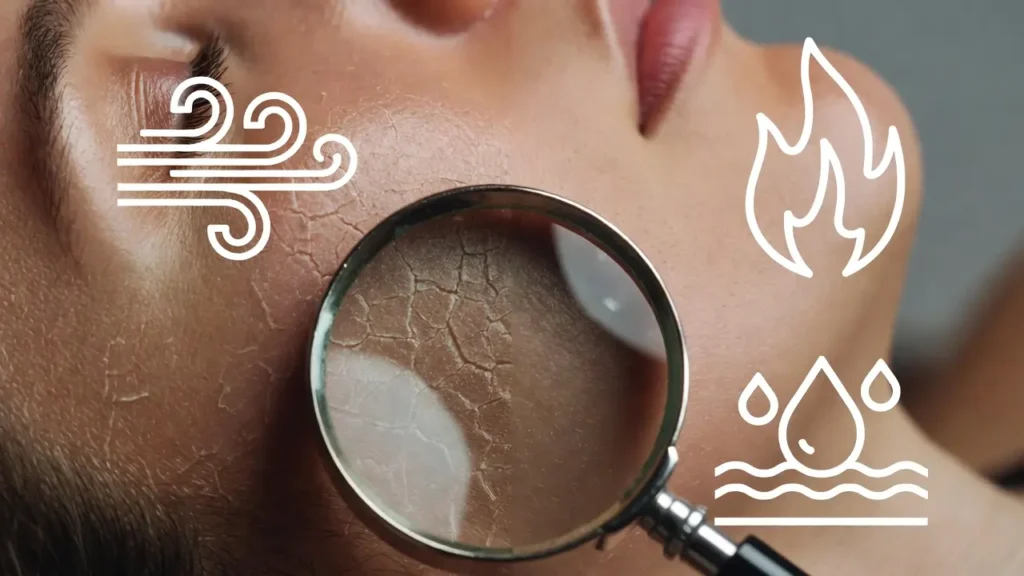
Winter weather damages skin by stripping moisture and weakening the barrier, increasing transepidermal water loss (TEWL) by up to 25%, according to dermatological studies. Low humidity (often below 30%), dry indoor heating, and harsh winds accelerate cellular dehydration, leading to micro-cracks and inflammation. The triple threat includes:
- Low humidity levels reduce atmospheric moisture to desert-like conditions (10-20% indoors)
- Indoor heating systems further deplete air moisture, creating a drying gradient that pulls water from the skin
- Temperature fluctuations between heated indoors (70-75°F) and freezing outdoors stress barrier lipids
- Wind exposure physically disrupts the stratum corneum, increasing TEWL by 40% in exposed areas
Protect with ceramide-rich occlusives that reduce TEWL and maintain hydration in cold-weather skincare routines.
What Are the Most Common Winter Skin Problems?
Common winter skin problems stem from disrupted skin barrier function and low humidity, with xerosis (severe dryness) affecting 20-30% of people during the winter. Barrier dysfunction allows irritants to penetrate, triggering inflammatory conditions:
- Xerosis creates a rough, scaly texture with visible flaking, particularly on legs and hands
- Winter eczema and atopic dermatitis flare-ups worsen due to a compromised barrier and increased inflammation
- Chapped lips result from absent oil glands and constant exposure to cold, dry air
- Rosacea aggravation occurs from rapid vasodilation/constriction in temperature extremes
- Seborrheic dermatitis intensifies with dry scalp conditions and indoor heating
Address dry skin with ceramide-rich barrier-repair products and winter remedies to restore lipid balance. Research shows that 50% of patients with eczema experience winter exacerbations requiring prescription intervention.
How Does Cold Weather Affect Different Skin Types?
Cold weather affects skin types differently based on baseline sebum production and barrier integrity. Dehydration worsens across all types, but manifestations vary:
- Dry skin experiences 30-40% increased TEWL with visible flaking and tightness within 24 hours of cold exposure
- Oily skin paradoxically overproduces sebum to compensate for surface dehydration, creating combination dryness with breakouts
- Combination skin develops an uneven texture with dry, flaky cheeks and a congested T-zone
- Sensitive skin shows heightened inflammation, redness, and reactivity to previously tolerated products
- Mature skin accelerates fine line appearance from reduced elasticity and collagen cross-linking in cold weather
Tailor winter skincare for dry, sensitive skin types with humectants (hyaluronic acid, glycerin) and occlusives (petrolatum, ceramides) to prevent barrier compromise.
Essential Winter Skincare Ingredients to Look For
What Are the Best Hydrating Ingredients for Winter?
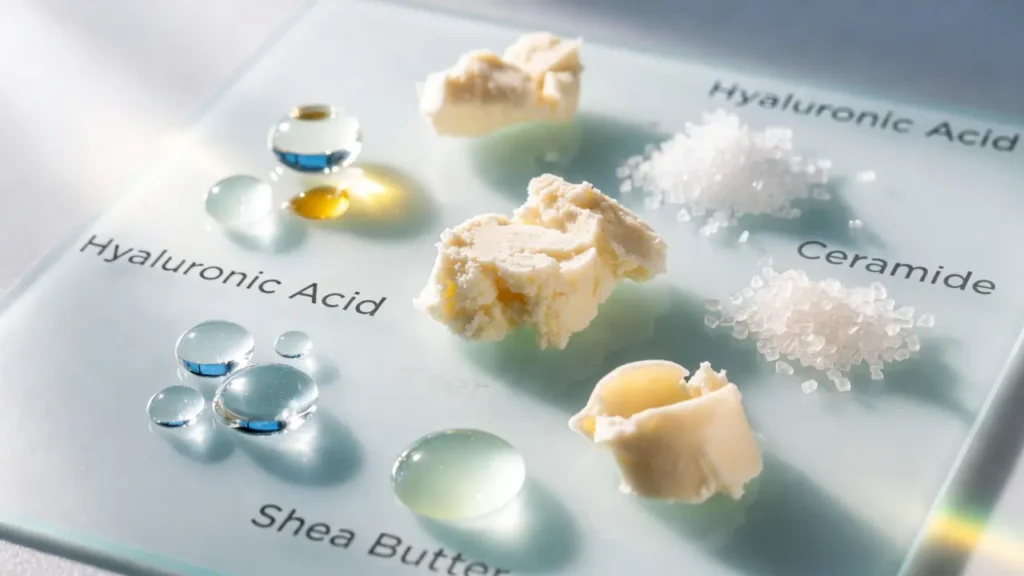
The best hydrating ingredients for winter combat cold-induced dryness by drawing moisture into skin and preventing TEWL. Top choices include hyaluronic acid (binds up to 1,000x its weight in water), glycerin (a humectant that attracts ambient moisture), ceramides (restore 50% of barrier lipids), squalane (a biomimetic oil for deep hydration), and niacinamide (strengthens barrier proteins by 24%). These ingredients, along with shea butter and vitamin E, are crucial for repairing dry, flaky skin, preventing water loss, and maintaining a healthy glow in harsh, cold, or windy conditions.
Key mechanisms:
- Hyaluronic acid creates moisture reservoirs in dermis and epidermis; apply to damp skin for best results
- Glycerin functions in humidity levels as low as 20%, unlike HA, which requires 30%+ humidity
- Squalane mimics sebum’s biomimetic structure for instant barrier reinforcement
- Ceramides repair the mortar between skin cells, reducing TEWL by 15-25% within 2 weeks
- Niacinamide at 5% concentration reduces inflammation while boosting ceramide synthesis
Research confirms that layering these ingredients provides additive barrier benefits that exceed those of single-ingredient formulations.
Which Occlusives Provide the Best Protection?
Petrolatum (petroleum jelly) is widely regarded as the most effective occlusive, reducing transepidermal water loss (TEWL) by more than 98%. It serves as the “gold standard” for sealing in moisture and protecting severely dry or compromised skin. Here’s a breakdown of the best occlusives based on protection level and skin type compatibility:
- Petrolatum forms an impermeable seal, blocking 99% of moisture loss; ideal for overnight treatment and extreme dryness
- Shea butter provides occlusion (60-70% TEWL reduction) plus vitamins A and E for sensitive skin; more cosmetically elegant than petrolatum
- Lanolin offers 50-60% TEWL reduction with wool-derived lipids that mimic the skin’s natural moisture barrier
- Dimethicone creates a breathable, non-comedogenic seal (40-50% TEWL reduction); best for oily/combination types
- Mineral oil delivers reliable barrier protection (30-40% reduction) without clogging pores; unfairly demonized but dermatologist-approved
Choose based on skin type: petrolatum for severe dryness, dimethicone for acne-prone skin, shea butter for daily use.
What Anti-Inflammatory Ingredients Soothe Winter Irritation?
Anti-inflammatory ingredients soothe winter irritation by calming disrupted skin barrier function and reducing the inflammatory cascade. Top soothers include colloidal oatmeal (clinically reduces redness and itch via antioxidant avenanthramides), centella asiatica (promotes wound healing through madecassoside compounds), panthenol (strengthens the barrier and reduces TEWL by 20%), allantoin (a keratolytic that smooths while calming), and bisabolol (chamomile-derived anti-inflammatory with no allergenicity).
Integrate these into seasonal skincare adjustments to relieve rosacea or eczema flares.
Clinical evidence:
- Colloidal oatmeal holds FDA skin protectant status; reduces itch by 42% in clinical trials
- Centella asiatica accelerates wound closure by 31% via VEGF stimulation
- Allantoin at 0.5-2% concentration promotes cell turnover while soothing irritation
- Bisabolol inhibits inflammatory mediators without steroid side effects
- Panthenol penetrates to the basal layer, providing deep barrier repair and hydration
These ingredients work synergistically—formulations combining multiple anti-inflammatories outperform single-ingredient products.
Building Your Winter Skincare Routine Step-by-Step
How Should You Cleanse Your Skin in Winter?
Cleanse winter skin with gentle, pH-balanced formulas (4.5-5.5 pH) to avoid stripping essential lipids and reducing TEWL compared with harsh surfactants (SLS/SLES). Cream cleansers add moisture during cleansing with emollient bases, making them ideal for dry-skin routines. Use lukewarm water (85-90°F, not hot) once or twice daily to maintain barrier integrity in cold-weather skincare.
Winter cleansing protocol:
- Cream and oil cleansers provide lipid replacement while removing impurities; choose for the first cleanse if wearing makeup
- The double cleansing method uses an oil-based first cleanse followed by a gentle cream cleanser to remove without stripping
- Lukewarm water prevents lipid dissolution that occurs at temperatures above 95°F
- Frequency adjustments may include a water-only morning cleanse to preserve overnight sebum production
- pH-balanced formulas maintain an acid mantle (pH 4.7) that protects against pathogens and irritants
Avoid foaming cleansers containing SLS (sodium lauryl sulfate), which strip barrier lipids by 40% per use.
Why Is Toning Important During Winter Months?
Toning in winter restores optimal pH (4.5-5.5) after cleansing and provides a hydration foundation for subsequent products. Alcohol-free formulations add moisture layers rather than removing them, with essence-type toners containing hyaluronic acid, glycerin, and beta-glucan to provide intensive hydration and priming. This step improves serum absorption by 30% and prepares the barrier for treatment ingredients.
Toner benefits:
- Alcohol-free formulations hydrate versus astringent toners that strip moisture
- Essence-type toners deliver lightweight hydration layers (Korean “7-skin method” applies 3-7 layers)
- pH restoration after cleansing ensures optimal skin barrier function
- Better product absorption from hydrated skin improves the penetration of subsequent serums
- Soothing ingredients like panthenol and allantoin reduce winter reactivity immediately
Modern hydrating toners are functional treatment steps, not optional extras.
What Type of Serum Works Best for Winter Protection?
Hydrating serums with multiple molecular weights of hyaluronic acid (500 Da to 1,800 kDa) deliver comprehensive moisture by penetrating the skin from the epidermis to the dermis. Antioxidant serums containing vitamins C, E, and ferulic acid protect against environmental oxidative stress that intensifies with indoor heating. Peptide serums (palmitoyl tripeptide-1, matrixyl) strengthen barrier proteins, while oil-based serums deliver intensive nourishment for extreme dryness without heavy texture.
Serum strategy by concern:
- Hydrating serums layer multiple HA weights for surface plumping (high MW) and deep hydration (low MW)
- Antioxidant serums neutralize free radicals from pollution and heating systems; vitamin C + E combinations offer synergistic protection
- Peptide serums stimulate collagen synthesis and repair barrier damage from cold exposure
- Oil-based serums (squalane, rosehip, marula) provide lipid replacement for compromised barriers
- Layering techniques apply thinnest to thickest; wait 30-60 seconds between layers for absorption
Limit serums to 2-3 per application to prevent product pilling and absorption saturation.
How Do You Choose the Right Winter Moisturizer?
Choose winter moisturizers based on cream versus lotion texture (creams contain 50%+ oil phase for superior occlusion), with day formulas including broad-spectrum SPF 30+ and night versions prioritizing barrier repair through higher ceramide concentrations (5-10%).
Ingredient concentration requirements increase in winter—look for ceramide-dominant formulations with a 1:1:1 ratio of ceramides, cholesterol, and fatty acids. Apply to damp skin within 3 minutes of cleansing using pressing motions for optimal absorption and moisture sealing.
Selection criteria:
- Cream versus lotion texture: creams provide 60-70% TEWL reduction versus lotions’ 30-40%
- Day versus night formulations: day includes SPF and a lighter texture; night maximizes repair with occlusive richness
- SPF integration remains critical—UV reflects off snow, increasing exposure 80%
- Ingredient concentrations: winter demands 5%+ ceramides versus 2-3% in summer formulas
- Application techniques: press into damp skin, don’t rub; apply within a 3-minute window post-cleansing
The Skin Cancer Foundation confirms that year-round SPF prevents 80% of visible aging.
What Additional Treatments Should You Add?
Face oils (squalane, rosehip, marula) seal all previous products as the final step, reducing TEWL by an additional 15-20% when applied over moisturizer. Sleeping masks create an occlusive overnight environment that maximizes repair while you sleep; use 2-3x weekly for intensive treatment.
Sheet masks provide an instant hydration boost pre-event through extended contact with hydrating essences. Facial mists refresh the skin midday but require immediate application of moisturizer to prevent moisture loss. Eye creams containing ceramides and caffeine protect thin periorbital skin from winter damage.
Treatment integration:
- Face oils apply last to seal everything; 2-3 drops warmed between palms, then pressed in
- Sleeping masks create a microenvironment, preventing TEWL; 10-15% improvement in morning hydration
- Sheet masks deliver concentrated essence through occlusive backing; best used before moisturizer
- Facial mists hydrate only when followed by cream—misting alone increases evaporation
- Eye creams are essential for areas with no sebaceous glands; apply with gentle tapping motions
Consistency matters more than quantity—a regular basic routine outperforms sporadic luxury treatments.
Must-Have Winter Skincare Products by Category
What Are the Best Cleansers for Winter Skin?
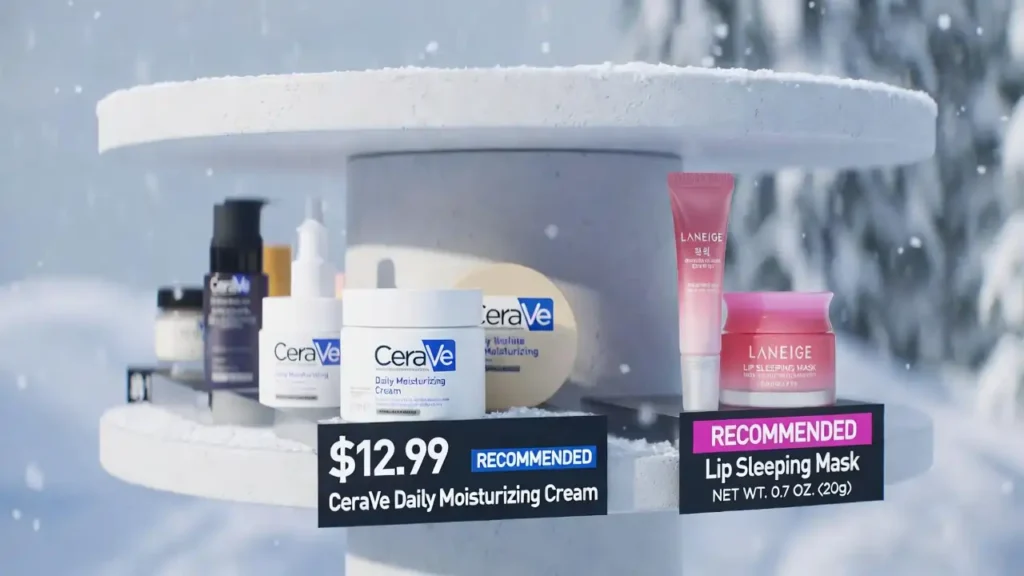
The best winter cleansers remove impurities without stripping barrier lipids, and use cream-to-foam or pure cream textures that maintain a pH of 4.5-5.5. Top dermatologist-recommended options include CeraVe Hydrating Cream-to-Foam Cleanser (ceramide-rich, maintains moisture during cleansing), La Roche-Posay Toleriane Hydrating Gentle Cleanser (prebiotic thermal water for sensitive skin), First Aid Beauty Pure Skin Face Cleanser (colloidal oatmeal for eczema-prone skin), and Vanicream Gentle Facial Cleanser (fragrance-free, minimal irritant formula).
Which Moisturizers Provide Maximum Winter Protection?
Maximum winter protection comes from moisturizers that combine humectants, emollients, and occlusives in cream formulations at 5-10% ceramide concentration. Top performers include Cetaphil Rich Hydrating Cream (ceramide + hyaluronic acid matrix), Eucerin Advanced Repair Body Cream (higher ceramide concentration than most pharmacy brands), Aveeno Eczema Therapy Daily Moisturizing Cream (National Eczema Association seal, colloidal oatmeal + ceramides), and SkinCeuticals Triple Lipid Restore 2:4:2 (precisely balanced 2% ceramides, 4% cholesterol, 2% fatty acids matching skin’s natural ratio). Apply to damp skin within 3 minutes of cleansing for 40% better moisture retention.
What Serums Boost Winter Skin Hydration?
Hydrating serums boost winter moisture through concentrated humectants and barrier-supporting ingredients. The Ordinary Hyaluronic Acid 2% + B5 provides pharmaceutical-grade multi-weight HA at accessible pricing; SkinCeuticals Hyaluronic Acid Intensifier stimulates your skin’s own HA production via botanical extracts; Vichy Mineral 89 Hyaluronic Acid Serum combines pure HA with mineralizing thermal water; and Drunk Elephant B-Hydra layers vitamin B5 with pineapple ceramide for a unique hydration-plus-repair approach.
Apply the layer under the moisturizer to damp skin; wait 30 seconds before applying the cream.
Which Lip Treatments Prevent Winter Chapping?
Prevent winter lip chapping by using thick, occlusive balms containing petrolatum, shea butter, or ceramides to lock in moisture, as lips lack sebaceous glands and lose water 3-10x faster than facial skin. Key treatments include Aquaphor Lip Repair (petrolatum-based for severe chapping), Laneige Lip Sleeping Mask (intensive overnight repair), La Roche-Posay Cicaplast Lips B5 (barrier-repair technology for damaged lips), and Jack Black Intense Therapy Lip Balm SPF 25 (moisture plus critical sun protection).
Essential habits include applying SPF-rated balms daily, using a humidifier, and avoiding lip-licking, which accelerates moisture loss.
What Hand and Body Products Address Winter Dryness?
Hand and body products for winter require intensive occlusion, delivered through ointment- or thick cream-textured products containing ceramide and humectants. CeraVe Healing Ointment for extreme dryness functions like Aquaphor with added ceramides for enhanced barrier repair; Eucerin Advanced Repair Hand Cream absorbs quickly for frequent reapplication throughout the day; AmLactin Daily Moisturizing Body Lotion incorporates lactic acid to gently exfoliate while moisturizing rough winter body skin, and Aveeno Daily Moisturizing Body Wash allows moisture addition during showering versus traditional body washes that strip oils.
Pro-Tip: Apply body products to damp skin immediately after showering, within a 3-minute window, for maximum absorption.
Specialized Winter Skincare for Different Concerns
How Do You Treat Winter Eczema and Dermatitis?
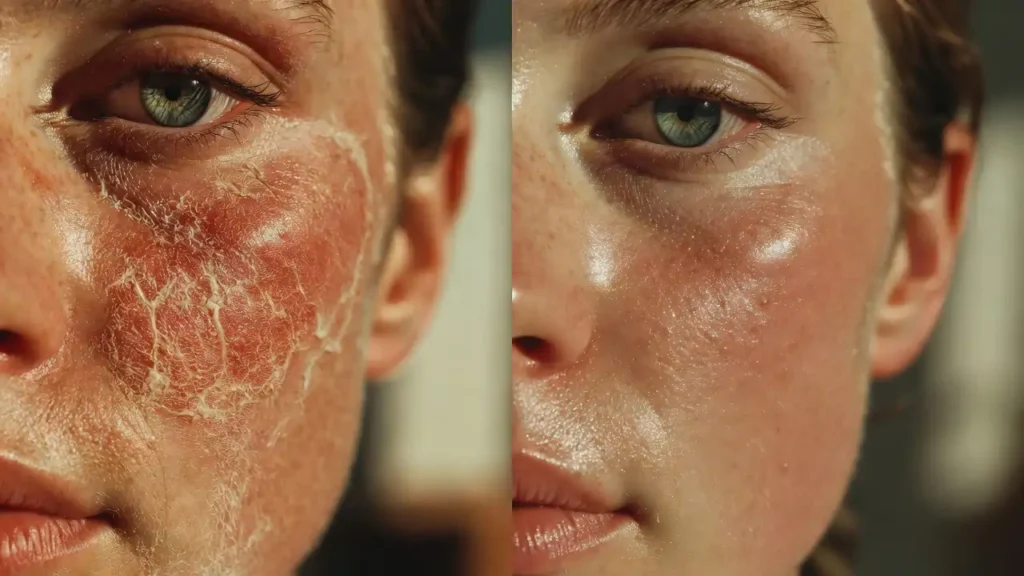
Treat winter eczema through intensive barrier repair using prescription-strength ceramide creams (5-10% concentration) when OTC products fail, colloidal oatmeal baths for full-body relief (1 cup per lukewarm bath, 10-15 minutes), and wet wrap therapy for severe flares (apply moisturizer/treatment, wrap in damp bandages, cover with dry bandages overnight).
Identify and avoid triggers, including wool clothing, scented detergents, overheated homes (maintain 68-72°F), and excessive hand washing. Consult a dermatologist if experiencing weeping lesions, widespread involvement, infection signs (warmth, pus, spreading redness), or failure to respond to appropriate OTC treatment within 2 weeks.
Treatment hierarchy:
- Prescription barrier creams contain pharmaceutical-grade ceramide concentrations exceeding those of OTC products
- Colloidal oatmeal baths provide whole-body anti-inflammatory, anti-itch relief via avenanthramides
- Wet wrap therapy creates an occlusive environment, accelerating healing; it improves severe eczema within 3-5 days
- Trigger identification addresses environmental factors as important as topical treatment
- Dermatologist consultation is necessary for the prescription of corticosteroids or calcineurin inhibitors in resistant cases
50% of eczema cases require prescription intervention during the winter months.
What Helps Rosacea-Prone Skin During Winter?
Rosacea-prone skin benefits from temperature regulation (wear a scarf over the face to pre-warm the air before facial contact), azelaic acid 10-15% for anti-inflammatory control without irritation, green-tinted moisturizers for optical redness neutralization while providing barrier protection, and gentle physical barriers (loose scarves, breathable face masks) preventing direct cold air contact.
Focus on anti-inflammatory ingredients, including niacinamide, centella asiatica, and licorice root extract, while avoiding potential triggers (fragrance, menthol, alcohol, eucalyptus).
Rosacea winter protocol:
- Temperature regulation prevents rapid vasodilation/constriction, triggering flushing
- Azelaic acid 10-15% reduces inflammatory lesions by 40-60% without retinoid-level irritation
- Green-tinted moisturizers color-correct redness while delivering ceramide barrier support
- Physical barriers create a warm air pocket between the skin and the environment
- Anti-inflammatory focus on gentle, proven ingredients versus aggressive actives that inflame
Consult a dermatologist for prescription metronidazole or ivermectin cream if OTC management is inadequate.
How Can You Prevent Winter Breakouts?
Prevent winter breakouts by using non-comedogenic moisturizers rated 0-2 on the comedogenicity scale that hydrate without pore-clogging, maintaining gentle cleansing frequency (over-cleansing triggers compensatory sebum overproduction), incorporating niacinamide 5% to balance oil production while strengthening the barrier, and avoiding heavy occlusives on acne-prone zones (use lighter gel-cream textures on T-zone, richer creams on dry areas).
Address dehydration-induced oil overproduction through lightweight hydrating layers (essence, serum, lightweight lotion) rather than a single thick cream application.
Acne prevention strategy:
- Non-comedogenic selection requires explicit labeling and avoiding coconut oil, wheat germ oil, and certain waxes
- Gentle cleansing balance cleanses once daily (evening) with a water rinse in the morning to preserve the barrier
- Niacinamide integration at 5% balances sebum without drying; reduces breakouts by 30-40%
- Salicylic acid caution: reduce concentration (0.5-1%) or frequency to prevent barrier over-stripping
- Hormonal and dietary factors, such as vitamin D supplementation and reducing refined sugar, may help with winter acne
Use lightweight hydration instead of a single heavy cream to prevent pore congestion.
What Anti-Aging Strategies Work Best in Winter?
Anti-aging in winter requires strategic retinol adjustment (buffer over moisturizer or reduce frequency to every other night), peptide-rich formulations accelerating repair processes slowed by cold (matrixyl, argireline, copper peptides), antioxidant protection from free radicals generated by indoor heating and pollution adherence to dry skin (vitamins C, E, ferulic acid), intensive hydration minimizing dehydration-induced fine line emphasis, and strategic professional treatment timing (schedule deeper peels, laser resurfacing for winter when sun exposure naturally reduced).
Anti-aging winter protocol:
- Retinol buffering applies over moisturizer versus bare skin, or reduces frequency from nightly to alternate nights
- Peptide formulations stimulate collagen synthesis and barrier repair simultaneously
- Antioxidant protection neutralizes oxidative stress from heating systems and pollution
- Hydration as anti-aging plumps fine lines through moisture restoration versus filler injections
- Professional treatment timing: winter suits aggressive treatments requiring sun avoidance during healing
Research confirms that seasonal adjustments significantly impact long-term aging outcomes.
Lifestyle Adjustments for Healthy Winter Skin
How Does Indoor Humidity Affect Your Skin?
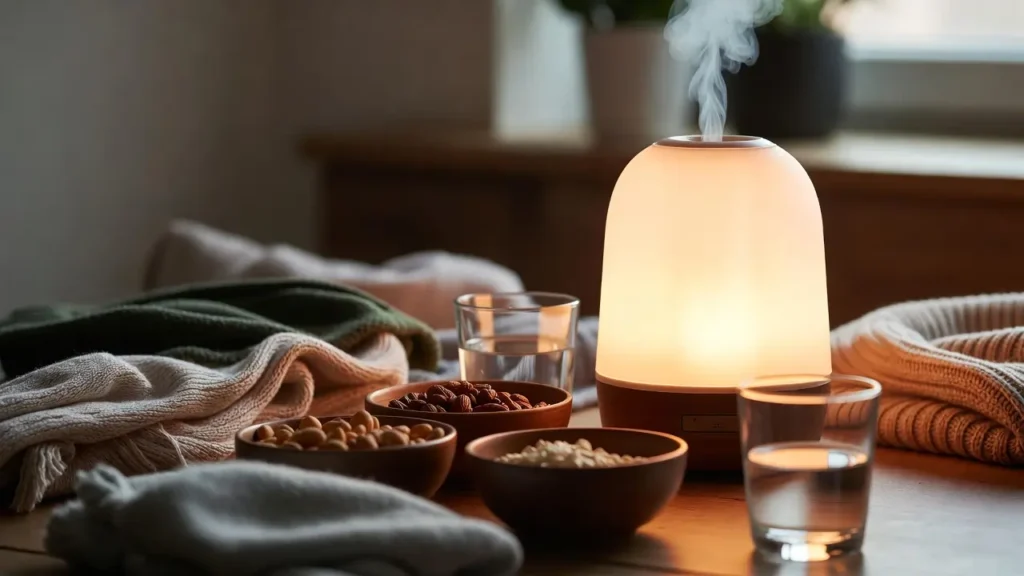
Indoor humidity significantly affects skin; optimal levels are 30-50% for barrier function, compared with typical levels in heated homes of 10-20% (desert-equivalent dryness). Place the humidifier in the bedroom where you spend 6-8 hours nightly, keeping it at least 3 feet from walls to prevent mold growth.
Maintain units weekly with white vinegar cleaning, filter replacement per manufacturer specifications, and use distilled water to prevent mineral buildup. Indoor plants (Boston ferns, spider plants, peace lilies) function as natural humidifiers through transpiration, releasing moisture vapor through leaves.
Each 10% increase in humidity reduces TEWL by approximately 8-12%.
What Dietary Changes Support Winter Skin Health?
Dietary changes supporting winter skin include omega-3 fatty acids from fish, flaxseeds, walnuts (1000-2000mg daily improves barrier lipid composition from inside), increased water intake despite reduced thirst cues (8-10 glasses daily; cold air and heating dehydrate systemically), vitamin C for collagen production support (75-90mg daily from citrus, bell peppers, broccoli), vitamin E for antioxidant membrane protection (15mg daily from nuts, seeds, avocados), and probiotic foods supporting skin-gut axis (yogurt, kefir, sauerkraut, kimchi promote beneficial bacteria influencing skin inflammation).
Nutritional protocol:
- Omega-3 fatty acids improve skin hydration by 15-20% and reduce inflammation markers
- Water intake increases to 8-10 glasses daily despite reduced thirst sensation in cold weather
- Vitamin C 75- 90 mg supports collagen synthesis and antioxidant defense during winter stress
- Vitamin E 15mg works synergistically with vitamin C, protecting cell membranes from oxidative damage
- Probiotic foods influence skin inflammation through the gut-skin axis, increasingly recognized in dermatology
The Journal of Clinical and Aesthetic Dermatology confirms the use of nutritional interventions for barrier support.
To deepen your understanding of antioxidant support, explore our detailed guide on Vitamin E oils for skin health 👉 here.
For a science-backed comparison of key brightening antioxidants, read our breakdown of Vitamin C vs. Niacinamide for skin 👉here.
Which Habits Damage Winter Skin?
Damaging winter habits include hot showers above 98°F body temperature stripping protective lipids (limit to 5-10 minutes lukewarm), over-exfoliation during vulnerable months removing needed protective layer (reduce to once weekly or pause entirely), skipping sunscreen in winter despite UV penetrating clouds and reflecting off snow (SPF 30 broad-spectrum mandatory daily), wearing wet clothes/gloves creating moisture trap paradoxically increasing dryness and irritation once removed, and neglecting overnight repair missing peak skin regeneration during sleep (use richer treatments, sleeping masks nightly).
When combined, these habits can reduce barrier function by 40-60% within weeks.
How Can You Protect Your Skin Outdoors?
Outdoor skin protection requires clothing layers creating microenvironment buffering harsh conditions (cover exposed skin maximally), scarf/face covering strategies with soft fabric wrapped loosely over nose and cheeks creating warm air pocket, windburn prevention through thick occlusive moisturizer application before exposure plus physical coverage for extended outdoor time, product reapplication every 2-3 hours during prolonged exposure (barrier protection doesn’t last all day in harsh conditions), and post-outdoor recovery routine including gentle cleansing removing environmental debris followed by intensive moisturizing on damp skin.
Wind exposure increases TEWL by 40%; protection reduces this to a manageable 10-15% increase.
Professional Treatments and When to Seek Help
What Professional Treatments Benefit Winter Skin?
Professional treatments benefiting winter skin include Hydrafacials providing deep hydration infusion through multi-step cleansing, exfoliating, extracting, and hydrating simultaneously (immediate plumping effect lasting 5-7 days), chemical peels with careful timing using lighter acids (lactic, mandelic) removing dead cell buildup preventing moisturizer absorption, microneedling creating micro-channels enhancing product penetration by 300-400% (winter timing works well with reduced sun exposure), LED light therapy addressing inflammation without downtime (red stimulates collagen, blue manages bacteria), and oxygen facials infusing pressurized oxygen with customized serums for instant moisture boost lasting several days.
When Should You See a Dermatologist?
See a dermatologist when experiencing persistent dryness despite appropriate routine adjustments for 3+ weeks, painful cracking or bleeding skin indicating severe barrier compromise risking infection, infection signs including warmth, pus, extreme redness, or spreading inflammation, sudden-onset severe eczema or psoriasis flares potentially needing systemic treatment beyond topical approaches, or unexplained skin changes/reactions to previously tolerated products.
Dermatologist consultation indicators:
- Persistent dryness for 3+ weeks despite correct product use indicates prescription ceramide creams are needed
- Painful cracking/bleeding requires pharmaceutical-grade barrier repair, preventing infection
- Infection signs need immediate attention; compromised winter barriers increase infection risk by 40%
- Severe sudden flares may require systemic treatment (oral medications) beyond topical management
- Unexplained reactions warrant a professional diagnosis, ruling out developing allergies or conditions
Don’t suffer through severe symptoms hoping for independent resolution; early intervention prevents complications.
How Do Prescription Treatments Help Severe Winter Skin Issues?
Prescription treatments help severe winter issues through pharmaceutical-grade ceramide creams containing higher concentrations (10-15%) than OTC products for aggressive barrier repair, topical corticosteroids reducing inflammation quickly when OTC anti-inflammatories insufficient, calcineurin inhibitors treating inflammation in sensitive areas like face and eyelids where steroid risks higher, prescription retinoids with protective protocols continuing through winter when properly buffered with intensive barrier support, and oral medications for systemic conditions like severe eczema or psoriasis when topical treatments can’t adequately control winter flares.
Prescription arsenal:
- Pharmaceutical ceramide creams 10-15% concentration versus OTC 2-5%; aggressive barrier repair for dysfunction
- Topical corticosteroids (hydrocortisone 2.5%, triamcinolone 0.1%) reduce inflammation by 60-80% within days
- Calcineurin inhibitors treat facial inflammation without the steroid atrophy risks
- Buffered prescription retinoids continue anti-aging benefits when combined with an intensive barrier support protocol
- Oral medications (cyclosporine, dupilumab) for systemic eczema/psoriasis uncontrolled by topicals
Winter Skincare Mistakes to Avoid
Why Is Over-Exfoliating Harmful in Winter?
Over-exfoliating in winter is harmful because it strips the skin of the protective lipid layer it desperately needs, increasing TEWL by 60% and compromising barrier function when maximum protection is required. Excessive exfoliation creates a vulnerability akin to “renovating during a hurricane”—removing the shield that protects against environmental assault.
Safe winter frequency is reduced to once weekly for physical exfoliation, with chemical exfoliant concentration or frequency decreased significantly (from daily to weekly or from 10% to 5% concentration). If the skin shows signs of distress (tightness, stinging, redness), pause exfoliation entirely until the skin barrier recovers (typically 2-3 weeks).
What Products Should You Avoid During Winter?
Avoid during winter: alcohol-based toners/astringents listing alcohol denat or isopropyl alcohol in first 5 ingredients (strip barrier mercilessly creating false “clean” tight feeling), harsh physical scrubs/brushes creating micro-tears in vulnerable skin (St. Ives Apricot Scrub-type products), strong retinoids without proper buffering causing excessive dryness when barrier compromised (reduce frequency/concentration or buffer with moisturizer), fragranced products for sensitive skin increasing reaction risk with impaired barrier function (embrace fragrance-free winter formulations), and clay masks for dry skin types literally pulling remaining moisture from skin (reserve for summer when skin tolerates temporary drying).
How Can Incorrect Product Layering Backfire?
Incorrect product layering backfires by preventing penetration and reducing efficacy through wrong application order, insufficient waiting times between products causing pilling and reduced absorption, incompatible ingredient combinations neutralizing effectiveness or causing irritation (though vitamin C + niacinamide myth debunked, high percentages of both may cause flushing), product pilling from layering too many silicone-based products or applying oil over water incorrectly, and saturation preventing absorption when routine exceeds 4-5 products maximum.
Layering rules:
- Order of application: thinnest to thickest consistency; water-based before oil-based
- Waiting times of 30-60 seconds between products allow partial absorption before the next layer
- Incompatible combinations of vitamin C + retinol together increase irritation without additional benefit
- Pilling prevention: avoid multiple silicone products; ensure proper order (water then oil)
- A maximum of 4- 5 products prevents saturation that blocks absorption regardless of the layering order
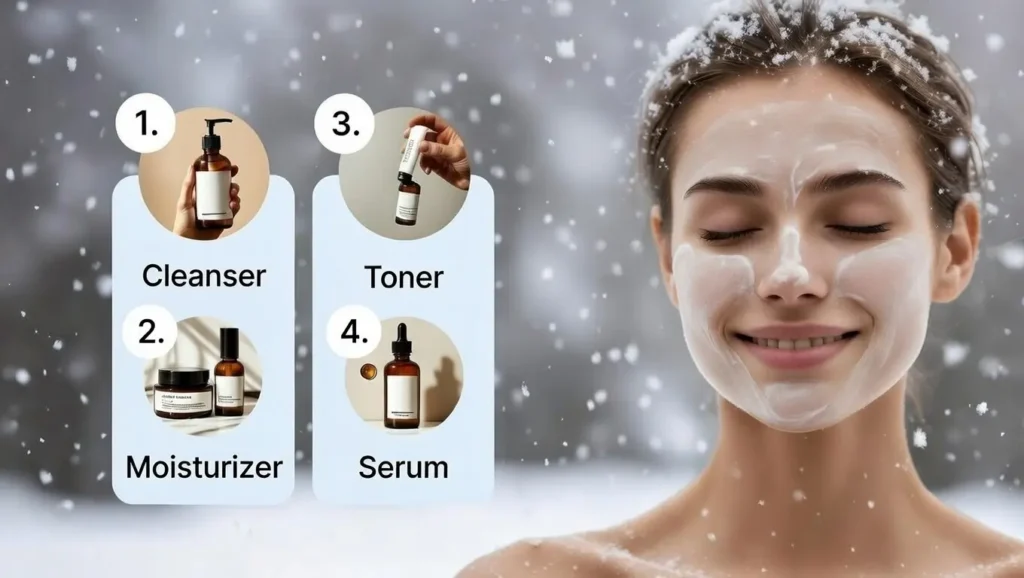
Correct sequence: cleanser → toner → serum(s) → moisturizer → oil (if using) → SPF (morning).
To learn how to correctly sequence your active ingredients and avoid compromising your skin barrier, check out the full step-by-step tutorial here.
Winter Skincare for Different Age Groups
How Should You Care for Baby and Children’s Winter Skin?
Care for baby and children’s winter skin using gentle, fragrance-free formulations mandatory for thinner, more permeable skin losing moisture faster than adults (developing systems can’t handle chemical loads adults tolerate), limiting bathing frequency to 2-3 times weekly unless actually dirty (daily baths strip protective oils unnecessarily in winter), applying extra diaper area protection with thick zinc oxide barrier creams at every change (friction, moisture, cold create severe irritation), selecting safe ingredients avoiding essential oils, fragrance, dyes, common allergens (stick with simple formulations containing recognizable ingredients), and consulting pediatrician for persistent rashes, severe dryness cracking or bleeding, infection signs, or eczema not responding to gentle OTC treatment within one week.
Pediatric skincare protocol:
- Gentle fragrance-free formulations are mandatory for permeable developing skin
- Reduced bathing frequency 2-3x weekly preserves natural protective oils
- The diaper area barrier, thick zinc oxide, prevents friction and moisture irritation
- Safe ingredient selection: avoid essential oils, fragrance, dyes, and potential allergens
- Early pediatrician consultation, don’t wait beyond one week for unresolved skin issues
Children’s skin is 30% thinner and loses moisture 3x faster than adult skin.
What Do Teens Need for Winter Skincare?
Teens need winter skincare balancing acne treatment with adequate hydration through non-comedogenic moisturizers essential for oil-prone skin experiencing winter dryness, affordable starter routine components including gentle cleanser, oil-free moisturizer with SPF, and spot treatment with benzoyl peroxide or salicylic acid if needed (keep simple ensuring compliance), education on proper application preventing common teen mistakes of using too much product or applying incorrectly (skincare is scientific process not random application), hormonal skin change management during adolescence meaning skin behaves unpredictably season-to-season (what works summer may fail winter), and building healthy habits early establishing lifelong skin health patterns (teens learning seasonal adjustment develop better long-term outcomes).
Teen-specific approach:
- Acne-hydration balance non-comedogenic moisturizers prevent dehydration-triggered oil overproduction
- Affordable starter basics: gentle cleanser, oil-free moisturizer with SPF, targeted spot treatment
- Application education demonstrates that skincare requires precision and consistency
- Hormonal adaptability teaches response to the skin’s changing signals versus rigid routines
- Habit foundation, early seasonal adjustment education creates lifelong positive patterns
Teen compliance improves with simple, affordable, effective routines rather than complex, luxury regimens.
How Does Winter Skincare Change for Mature Skin?
Mature skin requires enhanced barrier support as natural ceramide and lipid production decreases with age making richer, more occlusive formulations necessary rather than optional, addressing thinning skin concerns from reduced thickness meaning increased vulnerability to environmental damage (protective strategies must intensify including religious SPF use and avoidance of anything harsh), medication interaction considerations as many medications affect skin—blood thinners increase bruising, diuretics increase dryness, some blood pressure medications cause photosensitivity (consult physician about skin changes after starting new medications), anti-aging ingredient integration continuing but with increased barrier support (retinoids remain valuable but require more buffering and possibly reduced frequency), and prescription treatment coordination working with dermatologist to adjust protocols for winter (may need temporary frequency reduction or added prescription barrier repair products).
Mature skin priorities:
- Enhanced barrier support natural ceramide production declines 30-40% by age 60; topical replacement is critical
- Thinning skin protection reduces thickness, increases vulnerability to damage, and intensifies protective measures
- Medication awareness, blood thinners, diuretics, and blood pressure medications all affect skin differently
- Buffered anti-aging continues retinoids with increased moisturizer buffering and frequency reduction
- Professional coordination dermatologist adjusts prescription protocols, balancing efficacy with winter tolerability
Mature skin benefits most from a consistent, barrier-supporting routine rather than sporadic, aggressive treatments.
Conclusion: Winter Skincare Essentials
Winter doesn’t have to mean suffering through dry, irritated, uncomfortable skin! By understanding your skin’s unique needs during the colder months and implementing the right winter skincare essentials, you can maintain healthy, glowing skin all season long. Remember, the key lies in three fundamental principles: gentle cleansing, intensive hydration, and protective barrier support.
Start by assessing your current routine and identifying which products need a winter upgrade. Invest in a rich, ceramide-based moisturizer, incorporate hydrating serums with hyaluronic acid, and don’t forget those often-neglected areas like your lips and hands. Small adjustments—like adding a humidifier to your bedroom or switching to lukewarm showers—can make a tremendous difference in how your skin feels and looks.
Your action plan starts today: Choose one change from this guide to implement this week. Whether it’s swapping your foaming cleanser for a cream version or adding a facial oil to your nighttime routine, every step counts. Your skin will thank you!
Have questions about your specific winter skincare concerns? Drop a comment below or consult with a board-certified dermatologist to create a personalized routine that works for you.
Here’s to your healthiest winter skin yet!
FAQs: Winter Skincare Essentials
Why Does My Skin Get So Dry In Winter?
Winter air contains significantly less moisture, with humidity levels often dropping below 30%. This low humidity pulls moisture from your skin through a process called transepidermal water loss. When combined with indoor heating systems that further dry the air, this can compromise your skin’s natural barrier, leading to dryness, flaking, and irritation. The solution involves using richer moisturizers with occlusive ingredients and running a humidifier to restore moisture to your environment.
What Is The Best Moisturizer For Winter?
The best winter moisturizer combines humectants (such as hyaluronic acid and glycerin), emollients (such as shea butter and ceramides), and occlusives (such as petrolatum or dimethicone). Look for products labeled as “rich cream” or “intensive repair.” Dermatologists frequently recommend CeraVe Moisturizing Cream, Eucerin Advanced Repair Cream, and Cetaphil Rich Hydrating Cream for their comprehensive ingredient profiles and affordability. For extremely dry skin, apply moisturizer to damp skin immediately after bathing to lock in maximum hydration.
Should I Change My Skincare Routine In Winter?
Absolutely! Winter demands significant routine adjustments. Switch from gel or foaming cleansers to cream-based formulas; upgrade to heavier moisturizers with barrier-repairing ingredients; add hydrating serums with hyaluronic acid; reduce the frequency of exfoliation; and incorporate facial oils or sleeping masks for intensive overnight repair. You may also need to temporarily pause certain active ingredients, such as retinol, if your skin becomes too sensitive, or apply a moisturizer to reduce irritation.
How Can I Prevent Winter Breakouts?
Winter breakouts often result from the skin overproducing oil to compensate for dehydration. Prevent this by using non-comedogenic moisturizers that hydrate without clogging pores, maintaining gentle cleansing (over-cleansing triggers more oil production), incorporating ingredients such as niacinamide to balance sebum production, and avoiding heavy occlusives on acne-prone areas. Consider using lighter hydrating layers (essence, serum, lightweight lotion) rather than a single thick cream in breakout-prone areas.
Do I Still Need Sunscreen In Winter?
Yes! UV rays penetrate clouds and reflect off snow, increasing exposure by up to 80%. Winter sun damage is particularly concerning because compromised skin barriers absorb more UV radiation. Apply broad-spectrum SPF 30 or higher daily, focusing on exposed areas like your face, neck, and hands. Look for moisturizing sunscreen formulations that serve double duty, providing both sun protection and hydration. Reapply every two hours during extended outdoor activities, especially in snowy conditions.
What Causes Winter Eczema And How Do I Treat It?
Winter eczema (also called xerotic eczema) occurs when extremely dry conditions compromise your skin’s protective barrier, allowing irritants and allergens to penetrate deeper layers. Treatment involves intensive moisturizing within three minutes of bathing, using fragrance-free ointments or thick creams with ceramides and colloidal oatmeal, taking lukewarm (not hot) showers, using gentle cleansers, running a humidifier, and wearing soft fabrics like cotton. Severe cases may require prescription topical corticosteroids or calcineurin inhibitors from a dermatologist.
How Often Should I Exfoliate In Winter?
Reduce exfoliation to once weekly or even bi-weekly during winter, depending on your skin’s sensitivity. Over-exfoliation removes the protective lipid layer your skin desperately needs during cold weather. When you exfoliate, choose gentle chemical exfoliants (such as lactic acid or PHAs) over harsh physical scrubs, use lower concentrations, and always follow with intensive moisturization. If your skin feels tight, stings, or appears red, pause exfoliation until your barrier has recovered.
Can Cold Weather Cause Rosacea Flare-Ups?
Yes, cold weather is a common trigger for rosacea. Extreme temperature changes cause blood vessels to dilate and constrict rapidly, leading to flushing and inflammation.
Protect rosacea-prone skin by wearing a scarf over your face when outdoors, avoiding sudden temperature changes, using gentle, fragrance-free products, applying a protective barrier cream before going outside, incorporating anti-inflammatory ingredients such as azelaic acid and niacinamide, and consulting your dermatologist about prescription treatments like metronidazole or ivermectin cream during the winter months.

About Subhan Usafzai
Evidence-Based Skincare Educator & Formulation Specialist
I'm Subhan Usafzai (Fazli Subhan), an Evidence-Based Skincare Educator and Formulation Specialist. My background includes first-hand experience as a technician and research support in skin departments across tertiary military hospitals since 2006, and since 2008 I've focused on researching and translating clinical and formulation science into practical, evidence-based guidance. My formal training includes Coursera's Introduction to Cosmetic and Skincare Science and the four-course Introduction to Cosmetic Science and Ingredients specialization (Cosmetic Formulation Science, Cosmetic Product Development, and Quality Control and Regulatory in Cosmetic Science), authorized by Olay. Every article I write is checked against current research and reviewed by our medical team before publishing.
✅ Medically reviewed by Dr. Muhammad Khurram Ahmad, MD, Board-Certified Dermatologist · 📅 Last updated: June 2026
Medical Disclaimer
For Educational Purposes Only: This article is written by Subhan Usafzai, an Evidence-Based Skincare Educator and Formulation Specialist, for educational and informational purposes only. The information draws on scientific research, peer-reviewed studies, and dermatological literature available as of June 2026.
Not Medical Advice: This content does not constitute medical advice, diagnosis, or treatment. It is not a substitute for consultation with a qualified healthcare professional or dermatologist.
Individual Results May Vary: Skin conditions and responses to skincare products vary according to individual characteristics, skin type, hormonal factors, and environmental exposure.
Consult Your Healthcare Provider: Seek professional guidance before changing your skincare regimen, particularly during pregnancy or breastfeeding, or if you have a diagnosed skin condition, take medication, have sensitive skin, or receive dermatological treatment.
Product Safety: Consider patch testing new products. Discontinue use if irritation or an adverse reaction occurs, and seek medical advice when needed.
Affiliate Disclosure
Amazon Associates Disclosure: As an Amazon Associate I earn from qualifying purchases.
Editorial Independence: Affiliate relationships do not determine our product reviews or recommendations. We aim to provide balanced, research-informed information to help readers make informed skincare choices.
Supporting Glow Guide Hub: Qualifying purchases through affiliate links may earn us a commission at no additional cost to you.