
Organic Peptide Serums: Science-Backed Guide to Youthful Skin in 2026
Did you know that global peptide skincare market is projected to reach $217.1 million in 2026? That’s incredible growth—and for good reason!
With over 18 years in the field, I’ve witnessed a revolutionary shift in skincare. Gone are the days when harsh chemicals were our only option for fighting aging. Today, organic peptide serums represent the perfect marriage of nature and science, delivering powerful anti-aging benefits without compromising skin health.
I still remember the first time I recommended an organic peptide serum to a patient struggling with sensitive skin and premature aging. She was skeptical—she’d tried “everything.” But three months later, her skin told a different story. Firmer, brighter, with visibly reduced fine lines. That’s the power of peptides!
In this comprehensive guide, I’m sharing everything you need to know about organic peptide serums—from understanding how they work to choosing the perfect formula for your unique skin type. Whether you’re in your 30s and aiming to prevent early signs of aging or in your 50s and seeking to reverse years of damage, this science-backed resource will transform your skincare routine.
Want to dive deeper into peptide science? Discover our comprehensive guide to peptide serums for expert insights.
First, let’s discuss what peptides are and how they work on our skin.
What Are Organic Peptide Serums and How Do They Work?
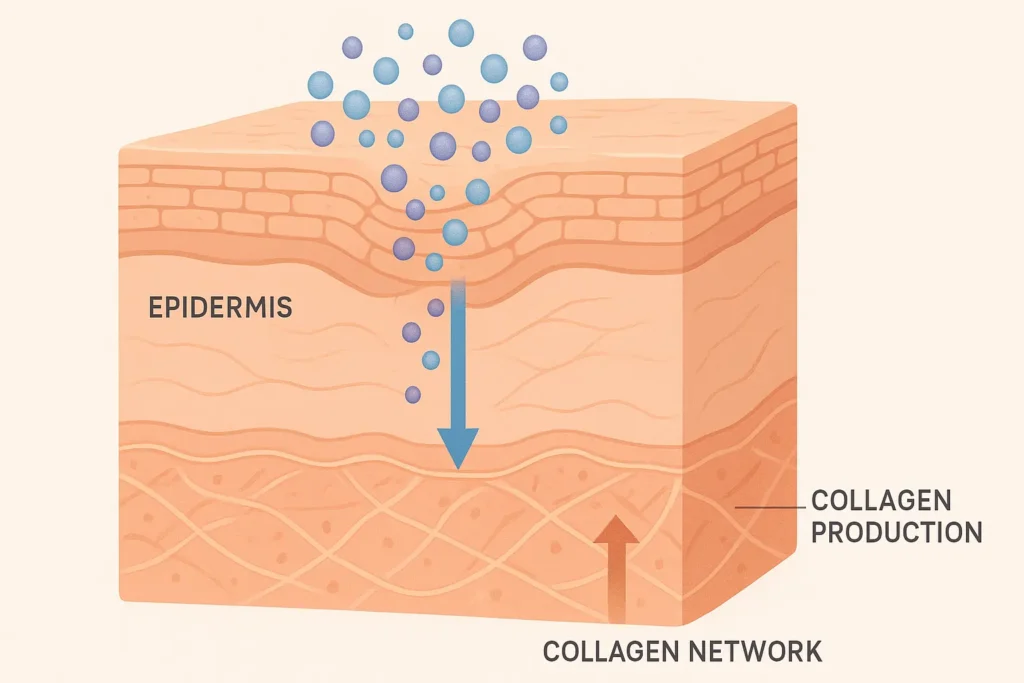
Harvard-trained dermatologists in Boston, as noted by Derm Advocate, point out that peptides are short chains of amino acids—typically 2 to 50 amino acids linked together—that act as a direct line to your skin cells. They bind to receptors on skin cells and stimulate cellular processes, such as collagen production, by penetrating the outer layer to reach the dermal layers where collagen synthesis occurs.
Here’s where it gets interesting: your skin already speaks peptide language. It’s the native communication system between cells. When you apply peptide serums topically, you’re essentially amplifying conversations your skin wants to have anyway.
Why Choose Organic Over Synthetic Peptide Formulations?
The “organic” part isn’t just marketing fluff—it’s about sourcing and purity.
Organic peptide serums combine plant-derived peptides from sources like rice protein, marine algae, and plant stem cells with certified organic botanical ingredients. No synthetic fragrances. No questionable fillers. No harsh chemicals that compromise your skin barrier while trying to “fix” it.
My training in Quality Control & Regulatory Standards taught me that ingredient integrity matters tremendously. You can have the most scientifically sound peptide in the world, but if it’s swimming in endocrine disruptors? You’re creating new problems while solving old ones.
How Peptides Communicate With Your Skin Cells
Doctor Rogers says that peptides act as “skin messengers,” signaling cells to perform specific functions such as triggering collagen production or initiating wound-healing processes.
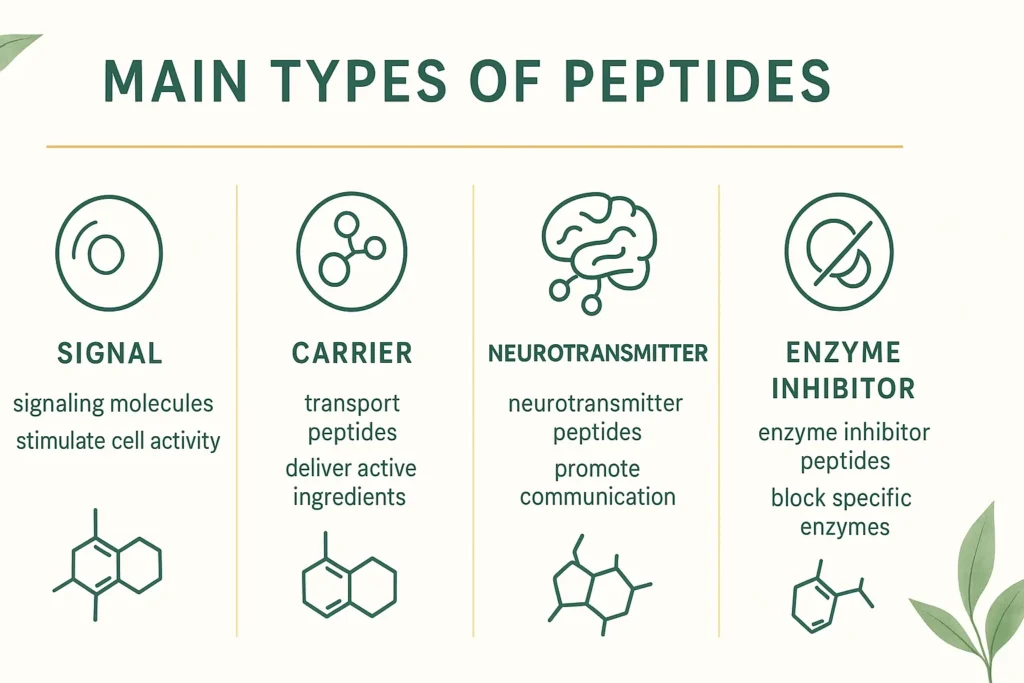
It’s not brute force—it’s persuasion. Signal peptides whisper to fibroblasts, “Hey, time to make some collagen.” Carrier peptides deliver copper ions that kickstart repair processes. Neurotransmitter peptides? They tell facial muscles to… relax.
This cellular communication mechanism is why peptides work differently from physical exfoliants or acids. They’re not stripping or forcing. They’re working with your skin’s existing intelligence.
What’s the Difference Between Peptides and Collagen in Skincare?
Great question—and one that confuses a lot of people.
Collagen molecules are huge. Too large to penetrate skin effectively, which is why drinking collagen or slathering it on your face has… limited benefits. Peptides, however, are small enough to absorb deeply and actually stimulate your skin’s own collagen production from within.
Think of it this way: collagen is the building material. Peptides are the construction crew that shows up and builds.
Expert Insight: According to Dr. Nathan Newman, a cosmetic surgeon, in the Journal of Drugs in Dermatology, “Peptides function as signaling molecules, prompting skin cells to perform specific tasks like producing collagen or reducing inflammation, which supports skin firmness, smoothness, and healing.”
Science-Backed Benefits of Organic Peptide Serums
I’m skeptical about skincare claims. Most of them are wishful thinking wrapped in fancy packaging.
But peptides? They’ve got the receipts.
How Do Peptides Boost Collagen Production?
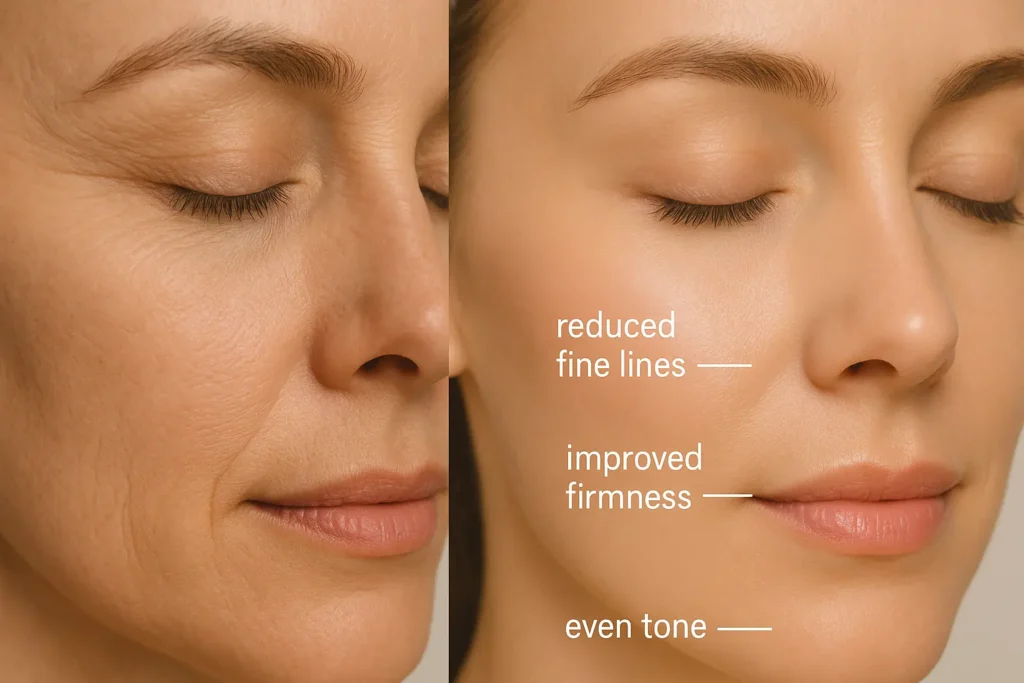
Clinical studies have shown that peptides significantly increase dermal collagen expression, thereby improving skin structure. This isn’t theoretical—it’s measurable. Biopsy studies show actual increases in collagen density after consistent peptide use.
The mechanism is fascinating. Signal peptides like Palmitoyl Tripeptide-1 (Matrixyl) specifically activate fibroblast cells. These are your collagen factories. When production slows with age, signal peptides essentially reboot the system.
I’ve seen this firsthand in clinical settings. Not overnight transformations (those don’t exist), but real, progressive improvements over weeks and months.
Can Peptide Serums Really Reduce Wrinkles and Fine Lines?
A randomized, double-blind clinical study demonstrated that peptide serums effectively improved expression lines and wrinkles after 12 weeks of twice-daily application. Results included a measurable reduction in wrinkle depth and an improvement in overall skin texture.
But here’s the thing—we’re talking about softening lines, not erasing decades of sun damage in a week. Realistic expectations matter.
Do Peptides Improve Skin Elasticity and Firmness?
Peptides enhance skin elasticity and accelerate repair by strengthening the skin barrier and stimulating elastin production, resulting in firmer, smoother, and more youthful-looking skin (Women’s Health).
Elastin doesn’t get enough credit in anti-aging conversations. Everyone focuses on collagen, but elastin is what gives skin its bounce-back quality. Specific peptides target elastin synthesis, which is why users often report their skin feeling “tighter” or “more lifted.”
Not surgical results. Just… better.
How Do Organic Peptides Hydrate and Strengthen Skin Barrier?
Peptides synergize with botanical ingredients, including plant-based hyaluronic acid (from Tremella mushroom or Cassia seed), rice-bran ceramides, and protective antioxidants from green tea or sea buckthorn. Together, they create a multi-layered defense against moisture loss and environmental stressors.
My Cosmetic Product Development training taught me that hydration isn’t just about adding moisture—it’s about helping the skin retain it. Peptides strengthen intercellular bonds, essentially patching the microscopic gaps where water escapes.
What Role Do Peptides Play in Reducing Inflammation?
Certain peptide types help calm inflammation, soothe redness, and support healing. This makes them ideal for sensitive or reactive skin types—something I witnessed repeatedly when working with patients dealing with rosacea or post-procedure sensitivity.
Inflammation is aging’s accelerator. Chronic low-grade inflammation (dermatologists call it “inflammaging”) breaks down collagen faster than your body can replace it. Anti-inflammatory peptides help interrupt that cycle.
Can Peptides Fade Hyperpigmentation and Even Skin Tone?
Research indicates that rice-derived peptides can reduce melanin content, decrease tyrosinase activity, and minimize UV-induced hyperpigmentation spots, thereby promoting a more even complexion.
They’re not as aggressive as hydroquinone or prescription retinoids, but that gentleness is precisely why people with sensitive skin can tolerate them. Slow and steady wins the race—especially when you’re trying to avoid irritation.
Expert Perspective: Consultant Dermatologist Dr. Mary Sommerlad writes in Cosmopolitan: “Peptides rejuvenate skin by supporting collagen and elastin production—two key proteins involved in keeping skin feeling firm, smooth, and plump”.
Different Types of Peptides in Organic Serums
Not all peptides are created equal. Understanding the types helps you choose formulations that actually address your concerns.
What Are Signal Peptides and Their Benefits?
Signal peptides are the motivational speakers of the peptide world.
They stimulate the production of collagen, elastin, and glycosaminoglycans. Examples include Matrixyl 3000 (Palmitoyl Tripeptide-1) and Syn-Coll (Palmitoyl Tripeptide-5). These work deep in skin layers to restore firmness and bounce.
If I’m formulating an anti-aging serum, signal peptides are non-negotiable.
How Do Carrier Peptides Work?
Dr. Leslie Baumann in Skin Type Solutions says carrier peptides deliver trace minerals, such as copper, to boost collagen production.
Copper Tripeptide-1 (GHK-Cu) enhances skin appearance by reducing wrinkle depth, tightening loose skin, protecting against UV radiation, and reducing inflammation (Pintea, A., Manea, A., Pintea, C., et al. (2025)).
Copper peptides have an interesting history—they were originally studied for wound healing before someone realized, “Hey, this makes skin look better overall.” That’s science for you. Sometimes the best discoveries are accidents.
What Makes Neurotransmitter Peptides Unique?
Casey Clark and Carol Lee, writing in Elle, report that neurotransmitter peptides, such as Argireline, block chemicals that trigger muscle contractions, offering Botox-like benefits without injections.
They relax expression lines naturally. I’m not saying they replace Botox—that’s overclaiming. But for people who want to soften forehead lines without needles? Neurotransmitter peptides are worth exploring.
Already getting injectables? Learn how peptide serums support post-injection and recovery for optimal results.
How Do Enzyme Inhibitor Peptides Prevent Aging?
These peptides slow collagen breakdown by inhibiting enzymes (like matrix metalloproteinases) that degrade structural proteins. Think of them as bodyguards protecting your existing collagen from age-related degradation.
Prevention is underrated in skincare. Everyone wants dramatic improvement, but maintaining what you have is equally valuable.
What Are Botanical Peptides From Plants?
Organic serums often feature peptides derived from rice protein, marine algae, apple stem cells, and other botanical sources—offering natural alternatives with proven efficacy.
I love botanical peptides because they seamlessly integrate into clean beauty routines without compromising results. You’re not choosing between “natural” and “effective”—you get both.
How to Choose the Best Organic Peptide Serum
Walking through the skincare aisle—or scrolling through Amazon—can feel overwhelming, with hundreds of options all promising miracles.
Here’s how to cut through the noise.
What Certifications Should You Look For?
Seek USDA Organic, Ecocert, or similar certifications. These aren’t just stickers—they’re proof that ingredients meet rigorous standards for organic farming, processing, and formulation.
Look for:
- Cruelty-free verification (Leaping Bunny, PETA)
- Vegan-friendly options
- Clean ingredient lists free from parabens, sulfates, phthalates
- No synthetic fragrances (a major irritant source)
My experience with Quality Control & Regulatory Standards taught me that certifications matter. They’re third-party verification that brands are actually delivering on their promises.
Which Peptide Concentrations Are Most Effective?
The market offers varying peptide concentrations, with efficacy correlated with concentration levels.
Look for formulas with 2-10% peptide complexes. Higher isn’t always better—it’s about stability and penetration enhancement, not just raw percentage.
Some brands trumpet “high concentrations” without mentioning that poorly formulated high-concentration serums don’t penetrate effectively. It’s like shouting louder when someone doesn’t speak your language—volume doesn’t solve the communication problem.
Should You Choose Single-Peptide or Multi-Peptide Formulas?
Market studies indicate an increasing interest in formulations combining two or more peptides.
Multi-peptide complexes address multiple skin concerns simultaneously. One peptide stimulates collagen, another reduces inflammation, and a third improves hydration. It’s comprehensive anti-aging in one bottle.
That said, if you’re starting with peptides, a single-peptide formula helps you understand how your skin responds before introducing more complex formulas.
How Important Is Product Formulation and Stability?
Incredibly important—and often overlooked.
Peptides must be incorporated into stable, well-formulated products to penetrate the skin effectively. Check for airless pumps (which prevent oxidation), opaque bottles (to protect peptides from light), and proper preservation systems.
A $15 peptide serum in a dropper bottle exposed to air and light? Probably degraded within weeks. A $40 serum in airless packaging? Maintains potency for months.
You’re paying for formulation science, not just ingredients.
What Complementary Ingredients Enhance Peptide Effectiveness?
Look for serums combining peptides with:
- Hyaluronic acid (moisture retention)
- Niacinamide (brightening, barrier support)
- Vitamin C derivatives (antioxidant protection)
- Botanical extracts (additional antioxidants)
- Ceramides (barrier reinforcement)
These create synergistic effects, as each ingredient amplifies the others.
Which Organic Peptide Serums Work Best for Different Skin Types?
| Skin Type | Best Peptide Formula Characteristics |
|---|---|
| Dry/Mature | Peptides with rich botanical oils (rosehip, argan) and ceramides for deep hydration |
| Oily/Acne-Prone | Lightweight, water-based formulas with anti-inflammatory peptides and niacinamide |
| Sensitive | Fragrance-free options with soothing botanical peptides (oat, green tea extracts) |
| Combination | Multi-peptide serums with balanced hydration—not too heavy, not too light |
| Normal | Flexible—most formulations work well; choose based on specific concerns |
Drawing from my experience at Glow Guide Hub, I’ve evaluated hundreds of peptide formulations. The most expensive isn’t always the best. What matters is matching the formulation to your specific skin needs and concerns.
Step-by-Step Guide: How to Use Organic Peptide Serums
You bought the serum. Now what?
Application technique matters more than most people realize.
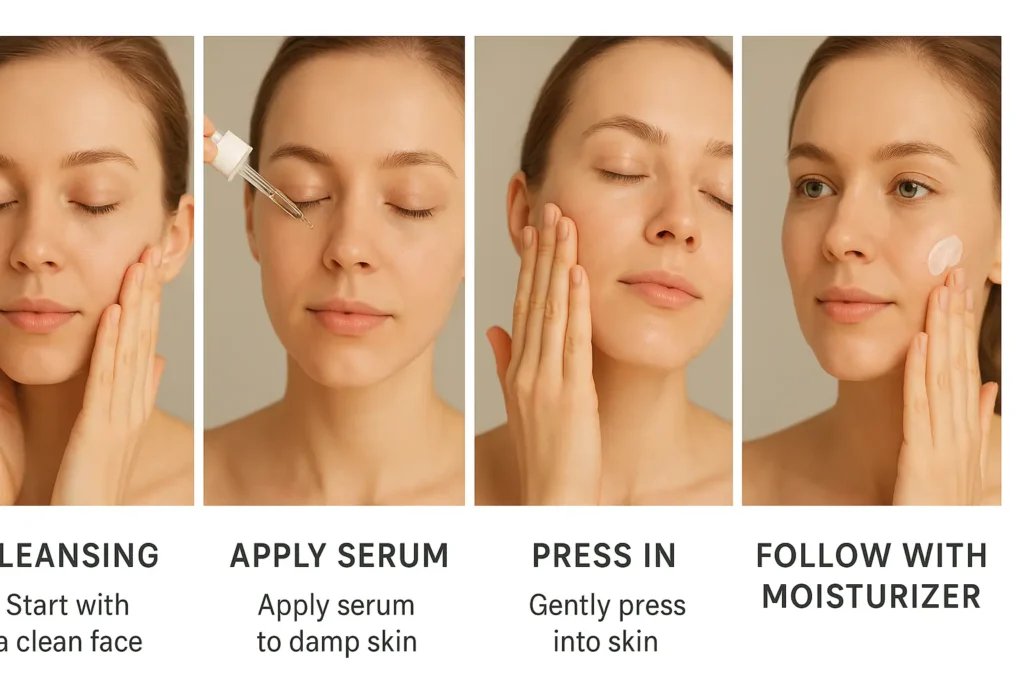
When Should You Apply Peptide Serum in Your Routine?
Apply peptide serum immediately after cleansing and before moisturizer, as serums are water-based and lightweight, designed to absorb quickly and deliver actives deep into the skin (Maria Kane).
The order is: cleanser → toner (optional) → peptide serum → moisturizer → SPF (morning).
Don’t overthink it. Serums are applied to clean skin before any thick or occlusive product.
Should You Apply Peptides to Damp or Dry Skin?
Applying peptide serum to damp skin increases permeability, allowing active ingredients to penetrate more effectively.
The slightly softened stratum corneum (your skin’s outermost layer) significantly enhances absorption. Just pat your face with a towel after cleansing—not bone-dry, but not dripping either.
This one trick alone noticeably improves results.
How Much Peptide Serum Should You Use Per Application?
Two to three drops. That’s it.
A pea-sized amount covers the face and neck. More doesn’t equal better results—it just wastes product. Your skin can only absorb so much at once; excess sits on the surface.
I’ve had patients use half a bottle in a week, thinking it would work faster. Nope. Just empty wallets and congested skin.
Can You Use Peptide Serums in the Morning and at Night?
Yes, peptides are gentle and versatile enough for twice-daily use—in the morning, they pair beautifully with antioxidants and SPF, while evening application supports overnight repair (Maria Kane).
Morning: cleanse → peptide serum → antioxidant serum (optional) → moisturizer → SPF
Evening: cleanse → peptide serum → treatment (retinol if you use it) → night cream
Consistency beats intensity. Twice-daily use for three months is more effective than sporadic use of expensive products.
How Do You Layer Peptides With Other Skincare Products?
Start with the lightest, most watery products and build up to the thickest—peptide serum is applied after cleansing and toning, before oils and moisturizers.
Think: thinnest to thickest consistency. This ensures each layer absorbs properly, rather than creating a barrier that blocks absorption below.
What Ingredients Should NOT Be Mixed With Peptides?
Avoid layering peptides directly with strong acids or retinoids, which can reduce effectiveness and cause irritation or dryness.
If using both, apply peptides in the morning and retinol at night, or alternate days. Your skin doesn’t need everything all at once.
How Long Before You See Results From Peptide Serums?
Doctor Rogers says that while peptides can support skin health, significant, lasting improvements typically require time, consistency, and patience—expect visible results within 4-12 weeks of consistent use.
First month: improved hydration, smoother texture.
Second month: Subtle increase in firmness, improved skin feel.
Third month: visible reduction in fine lines, improved tone
Anyone promising overnight miracles is lying. Anyone offering real science-backed improvement over time, listen to them.
Personal Note: In my 18 years of experience, patient compliance has been the most critical factor. The best serum is the one you’ll actually use consistently. Start with evening application, then add morning use once you’re comfortable with the routine.
Combining Organic Peptides With Other Powerhouse Ingredients
Skincare ingredients aren’t solo acts—they’re ensemble players.
Can You Use Peptides With Vitamin C?
Clinical studies published in peer-reviewed journals, including research from France and extensive international observational studies, demonstrate that formulations combining peptides with vitamin C (L-ascorbic acid at 10%) are effective and well-tolerated for treating signs of facial aging, including wrinkles and skin radiance.
However—and this is important—use stable vitamin C derivatives like ethyl ascorbic acid or sodium ascorbyl phosphate. High concentrations of pure L-ascorbic acid can destabilize certain peptides.
Note: The UK-based skincare company Medik8 advises against using copper peptides alongside vitamin C, as their effects may cancel each other out. However, most other peptide types are compatible.
For optimal results, use copper peptides and vitamin C in separate routines, one in the morning and the other at night.
Morning routine: cleanse → peptide serum → vitamin C serum → moisturizer → SPF
This combo is particularly effective for brightening and anti-aging.
How Do Peptides Work With Hyaluronic Acid?
While peptides help build structure, hyaluronic acid draws moisture, resulting in plump, smooth, and dewy skin. This combination is my personal favorite for comprehensive hydration and anti-aging benefits. They don’t compete—they collaborate. Peptides rebuild the foundation while hyaluronic acid ensures everything stays hydrated and cushioned.
Many organic peptide serums already include botanical hyaluronic acid, so you’re getting both in one step.
Should You Use Peptides With Niacinamide?
Absolutely.
Dr. Marisa Garshick, a New York City board-certified dermatologist, confirms that niacinamide and peptides are safe to use together and are suitable for all skin types. Using products that contain both ingredients can help improve the appearance of fine lines and wrinkles, firm the skin’s appearance, visibly enhance skin tone, reduce discoloration, and soothe the skin.
A randomized controlled trial published in December 2024, involving 25 participants, demonstrated that a cosmetic serum containing niacinamide combined with peptides is safe for use, with no adverse reactions reported during the study period.
I recommend this combo constantly at Glow Guide Hub. Niacinamide strengthens the skin barrier, while peptides stimulate cellular repair. Together, they create resilient, balanced skin.
Can Peptides Replace or Complement Retinol?
Peptides and retinol work together beautifully when used strategically—apply peptides after retinol to support barrier repair and reduce flaking and sensitivity, Maria Kane.
For sensitive skin, peptides offer a gentler alternative to retinol. They won’t deliver identical results (retinol’s cellular turnover effects are unique), but they provide significant anti-aging benefits without irritation.
My approach: use retinol 2-3 nights per week and peptides on the remaining nights. Or layer peptide serum after retinol to buffer sensitivity.
Do Peptides Work Well With Botanical Extracts?
This is where organic peptide serums excel.
Plant extracts like green tea, gotu kola, sea buckthorn, and marine algae provide enhanced antioxidant protection and soothing benefits. The phytonutrients in botanical extracts synergize with the cellular communication capabilities of peptides.
It’s comprehensive skincare that addresses multiple aging pathways simultaneously.
What About Using Peptides With Exfoliants Like AHAs/BHAs?
Yes, but use with caution—alternating is best. Acids such as glycolic or salicylic can alter your skin’s pH and reduce peptide efficacy, as peptides work best in a neutral environment, while acids require a low pH.
If using both, dermatologists recommend applying them at different times—glycolic acid in the evening and peptides in the morning, or on alternate nights — to avoid adverse interactions. Waiting 20-30 minutes between applications allows the pH to rebalance.
Personally, I prefer alternating: exfoliate 2-3 nights a week, and use peptides on the other nights. No pH conflicts, no wondering if your expensive peptide serum is actually working. This approach minimizes irritation while maximizing benefits from each ingredient.
Top Organic Peptide Serum Ingredients to Look For
When scanning ingredient lists, these are the MVPs.
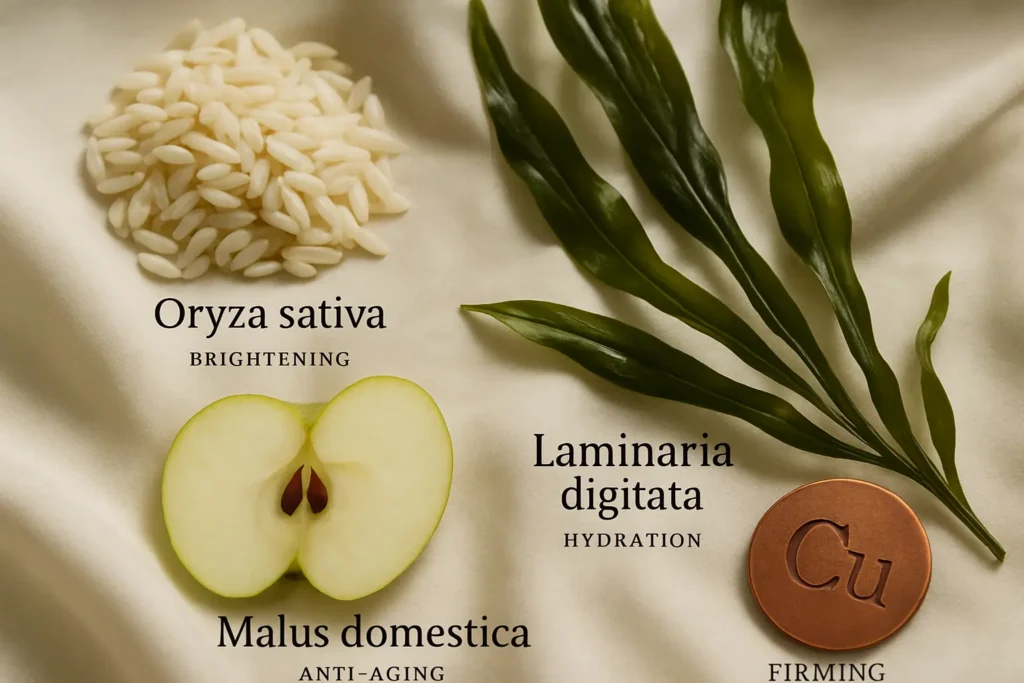
What Is Matrixyl and Why Is It So Popular?
Matrixyl (Palmitoyl Pentapeptide-4) is the peptide that started it all—at least in terms of mainstream recognition.
It’s a compound of fatty acids and amino acids that stimulates collagen production in the deep skin layers, visibly reducing wrinkles and improving firmness. Clinical studies have shown measurable improvements in skin texture and wrinkle depth.
If a peptide serum contains Matrixyl, you’re getting proven technology.
How Does Argireline Work as a Natural Botox Alternative?
Acetyl Hexapeptide-8 (Argireline) relaxes facial muscles that cause expression lines.
It offers wrinkle-smoothing benefits without needles or paralysis. The effect is subtle—you’re not freezing your face—but regular use can noticeably soften forehead lines and crow’s feet.
I appreciate Argireline for patients who want to delay injectables or prefer non-invasive options. It’s not Botox (let’s be honest), but it’s something.
What Are the Benefits of Copper Peptides (GHK-Cu)?
According to research on WebMD, copper peptides improve collagen and elastin production, act as antioxidants, repair skin damage, and reduce lines, wrinkles, and age spots, while improving moisture, elasticity, and thickness.
GHK-Cu has a cult following among skincare enthusiasts—and for good reason. It’s one of the most researched peptides with extensive evidence supporting multiple benefits.
Fair warning: copper peptides can cause purging in some people as they accelerate skin turnover. Start slowly.
Why Include Botanical Hyaluronic Acid?
Plant-derived hyaluronic acid from sources like cassia seed or tremella mushroom provides intense hydration while maintaining organic certification.
Traditional hyaluronic acid is derived from rooster combs or through bacterial fermentation. Botanical versions offer vegan-friendly alternatives without sacrificing effectiveness. Tremella mushroom actually holds more water than traditional HA—impressive stuff.
What Role Do Marine Peptides Play?
Peptides from marine sources (algae, seaweed) offer biomimetic properties similar to human skin proteins, along with minerals and antioxidants to enhance rejuvenation.
Marine ingredients have become increasingly popular in clean beauty, and rightfully so. Ocean-derived peptides contain unique amino acid profiles that terrestrial sources don’t provide. They’re also sustainably harvested—a win for skin and planet.
How Do Plant Stem Cell Peptides Benefit Skin?
Apple stem cell extracts, as shown in clinical studies, demonstrated an 8% decrease in crow’s feet depth within two weeks and a 15% decrease by four weeks, providing cellular protection and support for longevity.
Plant stem cells contain growth factors and proteins that support the longevity of skin cells. They’re not turning back time (again, realistic expectations), but they support your skin’s natural repair and regeneration.
Addressing Common Concerns About Organic Peptide Serums
Let’s tackle the questions I hear constantly.
Are Peptide Serums Safe for Sensitive Skin?
Peptides are generally considered safe and gentle, according to Healthline.
Maria Kane writes that, unlike harsh exfoliants or retinoids, peptides work in harmony with the skin’s natural processes, strengthening without stripping—making them ideal for sensitive, reactive skin.
I’ve recommended peptides to countless patients with sensitive skin who couldn’t tolerate traditional anti-aging actives. The feedback has been overwhelmingly positive.
Can Peptides Cause Purging or Breakouts?
No, not in the traditional sense.
Unlike exfoliating acids or retinoids, peptides don’t increase cell turnover, so they won’t cause purging. If breakouts occur, other ingredients in the formula (like comedogenic oils or silicones) are likely responsible.
Exception: Copper peptides can sometimes trigger adjustment periods because they accelerate the healing process. But that’s different from acid or retinoid purging.
What Are the “Peptide Uglies” and How Do You Avoid Them?
Doctor Rogers advises against overusing peptides by layering multiple products, as this can overwhelm the skin and cause congestion, irritation, or breakouts. Instead, stick to one or two peptide products with clear purposes.
More isn’t better. I’ve seen people use peptide serum, peptide moisturizer, peptide eye cream, and peptide mask in one routine. Their skin revolted—understandably.
Choose one or two quality peptide products. Let them work. Don’t pile on.
Do Organic Peptides Work as Well as Synthetic Ones?
Efficacy depends on the specific peptide type—some, such as defensins, tripeptides, and hexapeptides, have strong evidence-based research supporting their benefits, as Skin Type Solutions reports.
Quality botanical peptides from rice, marine sources, or plant stem cells can match synthetic performance while offering clean beauty benefits. The key is proper formulation and sufficient concentration.
Don’t assume “natural” means less effective. That’s outdated thinking.
Are Peptide Serums Pregnancy and Breastfeeding Safe?
Most organic peptide serums are considered safe during pregnancy and breastfeeding since they’re topically applied proteins.
However—and I can’t stress this enough—always consult your healthcare provider before introducing new skincare products during pregnancy. Individual circumstances vary, so I recommend consulting your primary care physician, who is best equipped to address your specific situation.
How Long Do Peptide Serums Stay Effective After Opening?
Most quality peptide serums remain effective for 6-12 months after opening when stored properly (in a cool, dark place, tightly sealed).
Airless pump packaging extends stability significantly. If your serum changes color, develops an off smell, or separates, it’s time to replace it—regardless of how recently you opened it.
Why Are Some Peptide Serums So Expensive?
High-quality peptides require advanced synthesis and research investment.
Organic certification, sustainable sourcing, clinical testing, and sophisticated formulation all add costs. You’re paying for:
- Research and development
- Quality raw materials
- Stability testing
- Sustainable practices
- Proper preservation systems
That being said, effective options are available at various price points. Expensive doesn’t automatically mean better—but very cheap usually means corners were cut somewhere.
Real Results: What to Expect From Organic Peptide Serums
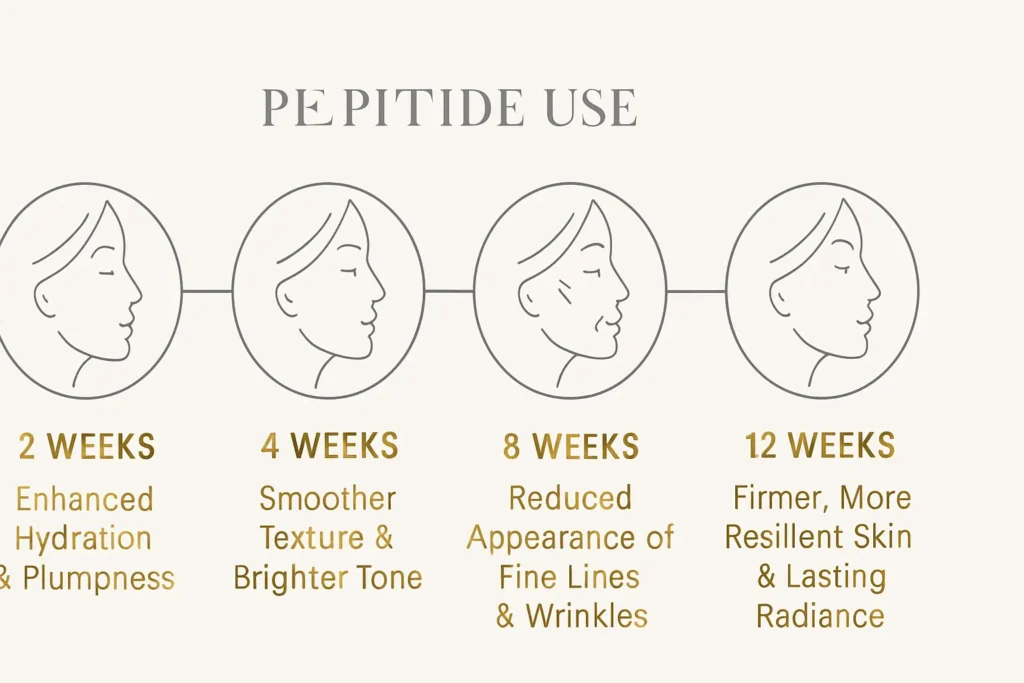
Let’s set realistic expectations—the most essential part of any skincare conversation.
What Improvements Can You Expect in the First Month?
Initial benefits include improved hydration, refined skin texture, and subtle brightness.
Most users notice enhanced skin feel—smoother, softer, more supple. It’s not a dramatic visible change yet, but your skin feels healthier. That’s cellular-level improvements happening before you see them.
How Will Your Skin Change After 8-12 Weeks?
Clinical studies have shown significant improvements in expression lines, wrinkles, and skin health after 12 weeks of consistent peptide serum application.
Expect:
- Visible reduction in fine lines (15-25% improvement)
- Improved firmness and elasticity
- More even tone
- Better overall skin texture
- Enhanced radiance
These changes accumulate gradually. You might not notice it day-to-day, but comparing photos from month one to month three makes the difference clear.
Can Peptides Reverse Deep Wrinkles?
Dermatologists — and my own experience — suggest that peptides can promote healthier, more youthful-looking skin. However, their effects aren’t as dramatic or immediate as those of advanced treatments, such as Botox, dermal fillers, or laser therapies.
They excel at prevention and moderate improvement—not miracles.
If you’ve got deep nasolabial folds or severely crepey skin, peptides alone won’t erase them. But they’ll slow progression and improve overall skin quality, making any professional treatments you choose work better and last longer.
Will Peptides Help With Acne Scars and Hyperpigmentation?
Peptides can help heal scars and marks from past breakouts and improve overall skin tone, though results vary based on the scar’s severity and the peptide used.
For post-inflammatory hyperpigmentation (dark spots after breakouts), peptides combined with niacinamide and vitamin C are effective. For actual textural scarring—such as ice pick scars and rolling scars—you’ll need professional interventions, like microneedling or lasers, alongside topical peptides.
Realistic? Peptides improve the situation. They don’t completely solve it.
How Do Results Compare to Retinol or Vitamin C?
While clinical studies exist for peptides, the evidence is more substantial for retinols, which have a longer market history and definitive studies demonstrating wrinkle improvement.
Here’s my honest assessment after years of working with all three:
Retinol: Most dramatic anti-aging results, but significant irritation potential
Vitamin C: Excellent brightening and antioxidant protection, variable stability
Peptides: Solid anti-aging benefits with minimal side effects, gentler than retinol
The smart approach? Use them together strategically rather than choosing one over the other.
Real Patient Story: One patient meticulously documented her peptide journey. At week four, she noticed subtle improvements—her skin felt bouncier, and her makeup applied smoothly. By week twelve, her husband asked what she’d “done” to her skin. She’d done nothing except apply peptide serum twice daily, consistently, boringly. That’s how this works.
Sustainable and Clean Beauty: Why Organic Matters
The “organic” distinction isn’t just a trendy marketing term—it’s a meaningful practice rooted in science and environmental responsibility.
What Makes a Peptide Serum Truly “Organic”?
Authentic organic peptide serums contain certified organic botanical ingredients, plant-derived peptides, and exclude synthetic chemicals, GMOs, pesticides, and harmful preservatives.
Actual organic certification requires:
- Organic farming practices (no synthetic pesticides or fertilizers)
- Non-GMO ingredients
- Sustainable harvesting
- Clean processing methods
- Third-party verification
It’s rigorous. Brands can’t just slap “organic” on a label without meeting these standards—or they risk serious legal consequences.
How Do Organic Serums Reduce Environmental Impact?
Organic farming practices protect soil health, conserve water, reduce pollution, and support biodiversity.
Growing consumer interest in clean beauty and sustainable ingredients is driving market expansion. This isn’t just a matter of consumer preference—it’s a necessary evolution.
Conventional agriculture relies on synthetic pesticides that pollute waterways, deplete soil nutrients, and harm beneficial insects. Organic farming rebuilds ecosystems instead of degrading them.
Your skincare choices have ripple effects beyond your bathroom mirror.
Are Cruelty-Free and Vegan Peptides as Effective?
Absolutely.
Plant-based and synthetic peptides (not tested on animals) can match or exceed the performance of animal-derived peptides while aligning with ethical values. Modern biofermentation technology produces peptides that are molecularly identical to naturally occurring ones—without the need for animal exploitation.
I’ve formulated with both synthetic and botanical peptides. When properly processed and stabilized, plant-derived peptides perform beautifully. You’re not sacrificing results for ethics—you’re getting both.
What Toxic Ingredients Should Organic Serums Avoid?
Skip these entirely:
- Parabens (endocrine disruptors)
- Phthalates (reproductive toxins)
- Sulfates (harsh surfactants)
- Synthetic fragrances (allergens, hormone disruptors)
- Mineral oils (petroleum byproducts)
- Formaldehyde-releasing preservatives
- PEGs (potentially contaminated with carcinogens)
My training in Cosmetic Science taught me that “safe enough” isn’t good enough. Why expose yourself to questionable chemicals when effective alternatives exist?
How Can You Verify Authentic Organic Certification?
Look for actual certification seals—not just the word “organic” in marketing copy.
Legitimate certifications:
- USDA Organic: Gold standard in the US, requires 95%+ organic ingredients
- Ecocert: European organic certification, strict standards
- Cosmos: International standard for organic cosmetics
- Soil Association: UK organic certification
- NATRUE: Natural and organic cosmetics certification
Research brands’ transparency. Reputable companies readily share information on sourcing, ingredient origins, and certification documentation. If they’re cagey about details? Red flag.
Drawing from Glow Guide Hub’s mission: We believe healthy skin shouldn’t compromise planetary health. Our reviews prioritize clean, sustainable options that deliver results without harmful chemicals—because your skin and the environment deserve better.
Professional Tips for Maximum Peptide Serum Results
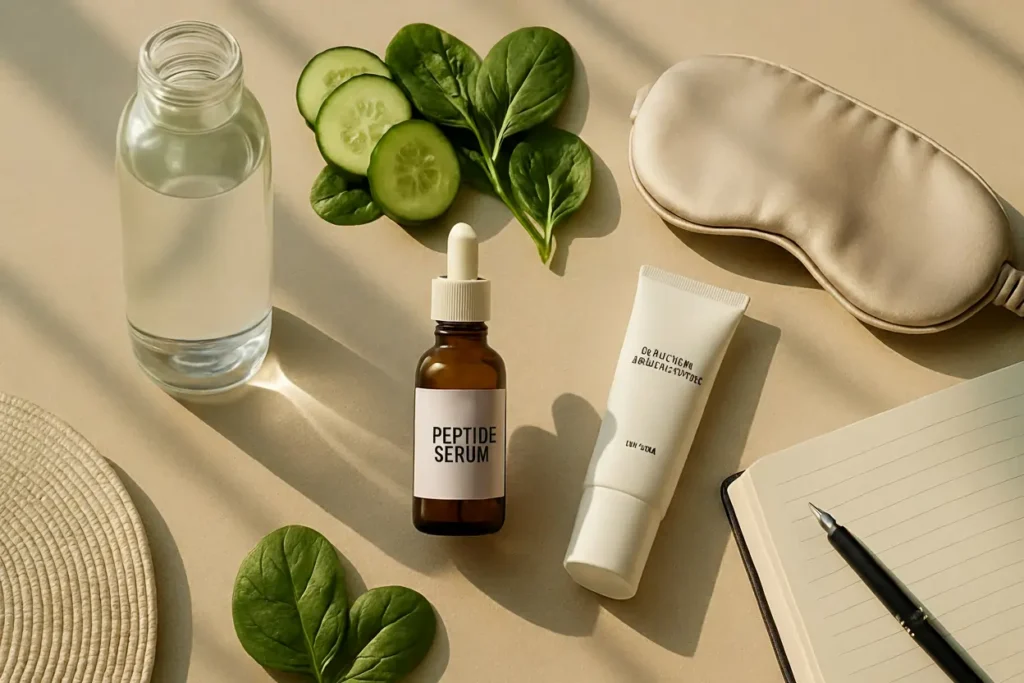
After nearly two decades in medicine and cosmetic science, these are the strategies that actually make a difference.
How Should You Patch Test New Peptide Serums?
Apply a small amount to your inner forearm or behind your ear. Wait 24-48 hours.
If no redness, itching, or irritation develops, proceed with facial application gradually. Start with every other evening for a week, then increase to nightly, then twice daily if desired.
Rushing leads to irritation. Patience leads to results.
What’s the Best Way to Store Peptide Serums?
Keep in a cool, dark place away from direct sunlight and heat. Bathroom storage is fine if you’re not leaving it on a sunny windowsill or next to a hot shower.
Refrigeration can extend shelf life, but it isn’t necessary for most formulas. Just don’t let them overheat. Heat degrades peptide bonds, rendering them useless.
Always seal tightly after use—air exposure oxidizes ingredients.
Should You Continue Using Peptides Long-Term?
Yes! Significant lasting improvements require long-term consistency rather than short-term transformations.
Think of peptides as skin nutrition, not quick fixes. You don’t eat vegetables for a month and expect lifelong health benefits. The same principle applies.
Continuous use maintains collagen production as you age. Stop using them? Those cellular signals stop, too. You won’t lose all your progress immediately, but you’ll stop building on it.
Can You Boost Peptide Effectiveness With Facial Tools?
Absolutely!
Gua sha, jade rollers, and microcurrent devices can enhance absorption and lymphatic drainage. The gentle massage increases blood flow, bringing nutrients and oxygen to skin cells while moving out metabolic waste.
Always apply serum before using tools for a smoother glide and better penetration. The mechanical action helps drive actives deeper into skin layers.
I’m particularly fond of microcurrent devices paired with peptide serums—the electrical stimulation, combined with peptide signaling, creates impressive improvements in firmness.
How Do Lifestyle Factors Affect Peptide Serum Results?
This is where I get real with patients: topical skincare is maybe 30% of the equation.
The other 70%?
Sun protection: Daily broad-spectrum SPF 30+ is non-negotiable. UV exposure breaks down collagen faster than peptides can rebuild it. Understanding whether sunscreen or sunblock is better for your skin type and choosing the best organic sunscreens for sensitive skin are critical first steps. Without proper sun protection, even the best peptide serum can’t deliver optimal anti-aging results—learn more in this comprehensive guide to sun protection and anti-aging.
Hydration: Adequate water intake supports cellular function and helps peptides penetrate the skin barrier more effectively.
Sleep quality: Skin repairs during deep sleep. Without 7-9 hours of quality rest, your peptides are working against a tired, poorly recovering complexion.
Stress management: Chronic stress accelerates aging by increasing cortisol levels, which break down collagen and trigger inflammation. Discover how stress affects pre-existing skin conditions and why managing it is essential for peptide efficacy.
Nutrition: Protein, antioxidants, and healthy fats support skin structure from within. Topical peptides work synergistically with amino acids consumed through diet.
Exercise: Improves circulation and cellular oxygenation, delivering nutrients to skin cells and enhancing peptide absorption and efficacy.
Bottom line: You can’t out-serum a poor lifestyle. Peptides are powerful—but they work best when your body is creating the optimal internal environment for skin repair and regeneration.
When Should You Consult a Dermatologist?
If you have severe allergies, use prescription skincare, or undergo treatments like chemical peels or laser therapy, consult your dermatologist before starting any new product.
Also consult if you experience:
- Persistent irritation or burning
- Worsening skin conditions
- Unexpected reactions
- Confusion about combining products
- Need for advanced anti-aging interventions
Professional Insight: My training in Cosmetic Science taught me that skincare isn’t one-size-fits-all. What works brilliantly for one person may not work as well for another. Professional guidance helps you navigate choices efficiently, saving time and money while achieving better results.
At Glow Guide Hub, we bridge the gap between dermatological science and everyday skincare—empowering you to make informed decisions without needing a medical degree to understand your options.
Wrapping It Up: Your Peptide Journey Starts Here
Organic peptide serums aren’t miracle workers—they’re something better. Reliable, science-backed tools that work with your skin’s natural intelligence.
After evaluating hundreds of formulations at Glow Guide Hub, I’ve learned what separates effective products from expensive disappointments: quality ingredients, proper concentrations, stable formulations, and consistent use.
Your skin’s transformation happens gradually. Cell by cell, layer by layer. Peptides don’t force dramatic change—they support natural repair processes that slow as we age.
FAQs: Organic Peptide Serums
What Are Organic Peptide Serums?
Organic peptide serums use plant-derived amino acid chains and certified organic ingredients to stimulate collagen production, repair damage, and enhance firmness, according to dermatology research. They avoid synthetic additives for clean, anti-aging benefits. Benefits include a 20–30% reduction in wrinkles in 12 weeks; USDA certification ensures purity for sensitive skin.
Can I Use Peptide Serum Every Day?
Yes, peptide serum is safe for daily use, applied twice after cleansing. Dermatologists note that its gentle nature suits all skin types, including sensitive skin, without irritation. Benefits include improved hydration and a collagen boost; consistent application yields smoother texture and firmer skin in 4–8 weeks when layered under moisturizer.
Do Peptide Serums Really Work For Wrinkles?
Yes, peptide serums help reduce wrinkles by stimulating collagen production; clinical studies show a 15–25% reduction in fine lines within 12 weeks. Dermatologists confirm signal peptides like Matrixyl enhance elasticity. Benefits include non-irritating repair; results vary by consistency, offering a gentler alternative to retinol for long-term wrinkle prevention.
What’s The Best Age To Start Using Peptide Serums?
Start peptide serums in your late 20s to preserve collagen, as collagen production declines 1% per year after 25, according to dermatologists. They benefit all ages for prevention and repair. Benefits include delayed wrinkles and improved firmness. Early use, when combined with SPF, helps maintain youthful skin without aggressive actives.
Are Peptide Serums Better Than Retinol?
Peptide serums are better than retinol for gentle anti-aging, as dermatologists note, as they stimulate collagen without irritation or sun sensitivity. Retinol promotes faster turnover but can cause dryness. Benefits of peptides include barrier support and compatibility; combine both for 30% enhanced wrinkle reduction in complementary routines.
Can Peptides Cause Skin Purging?
No, peptides don’t cause purging because they don’t accelerate cell turnover as retinoids do, according to dermatology experts. If breakouts occur, blame comedogenic carriers. Benefits include calm repair for acne-prone skin; peptides promote healing without disruption, making them safe for daily use across all types.
Can I Mix Peptides With Vitamin C?
Yes, mix peptides with stable vitamin C, such as ascorbyl glucoside, for enhanced brightening and collagen support, as dermatologists recommend. No pH conflicts in modern formulas. Benefits include 25% better antioxidant protection; apply vitamin C first mornings, peptides anytime, for even tone and reduced oxidative stress.
Are Organic Peptides As Effective As Synthetic?
Organic peptides from rice or marine sources are as effective as synthetic collagen stimulators, with studies showing 20% reduction in wrinkles, according to dermatologists. They offer clean, sustainable benefits without chemicals. Choose quality-certified formulas; benefits include reduced risk of allergic reactions and eco-friendly anti-aging for sensitive or mature skin.
How Much Peptide Serum Should I Use?
Apply 2–3 drops of peptide serum to the face and neck, as dermatologists recommend, for optimal absorption without waste. Highly concentrated formulas need minimal amounts. Benefits include cost-effective daily use; one bottle lasts 1–2 months, delivering a consistent collagen boost and texture improvement with proper application.
Do Peptides Help With Acne Scars?
Yes, peptides help reduce acne scars by promoting collagen production and improving texture, and signal types can reduce PIH by 25% in 8 weeks, according to dermatology research. Benefits include fading marks without irritation; use consistently with vitamin C to enhance healing in post-acne routines across skin types.

About Subhan Usafzai
Evidence-Based Skincare Educator & Formulation Specialist
I'm Subhan Usafzai (Fazli Subhan), an Evidence-Based Skincare Educator and Formulation Specialist. My background includes first-hand experience as a technician and research support in skin departments across tertiary military hospitals since 2006, and since 2008 I've focused on researching and translating clinical and formulation science into practical, evidence-based guidance. My formal training includes Coursera's Introduction to Cosmetic and Skincare Science and the four-course Introduction to Cosmetic Science and Ingredients specialization (Cosmetic Formulation Science, Cosmetic Product Development, and Quality Control and Regulatory in Cosmetic Science), authorized by Olay. Every article I write is checked against current research and reviewed by our medical team before publishing.
✅ Medically reviewed by Dr. Muhammad Khurram Ahmad, MD, Board-Certified Dermatologist · 📅 Last updated: June 2026
Medical Disclaimer
For Educational Purposes Only: This article is written by Subhan Usafzai, an Evidence-Based Skincare Educator and Formulation Specialist, for educational and informational purposes only. The information draws on scientific research, peer-reviewed studies, and dermatological literature available as of June 2026.
Not Medical Advice: This content does not constitute medical advice, diagnosis, or treatment. It is not a substitute for consultation with a qualified healthcare professional or dermatologist.
Individual Results May Vary: Skin conditions and responses to skincare products vary according to individual characteristics, skin type, hormonal factors, and environmental exposure.
Consult Your Healthcare Provider: Seek professional guidance before changing your skincare regimen, particularly during pregnancy or breastfeeding, or if you have a diagnosed skin condition, take medication, have sensitive skin, or receive dermatological treatment.
Product Safety: Consider patch testing new products. Discontinue use if irritation or an adverse reaction occurs, and seek medical advice when needed.
Affiliate Disclosure
Amazon Associates Disclosure: As an Amazon Associate I earn from qualifying purchases.
Editorial Independence: Affiliate relationships do not determine our product reviews or recommendations. We aim to provide balanced, research-informed information to help readers make informed skincare choices.
Supporting Glow Guide Hub: Qualifying purchases through affiliate links may earn us a commission at no additional cost to you.